With more than 10‑year industry experience, Shandong Headpowder delivers full‑service pneumatic‑conveying systems and blowers, undertaking nationwide turn‑key powder‑handling projects.
Bread flour, a staple ingredient in baking, requires efficient and reliable conveying systems to ensure quality and consistency throughout the production process. The choice of conveying method significantly impacts the overall performance of a bakery or flour processing facility. Common methods include mechanical conveyors, such as belt conveyors and screw conveyors, as well as pneumatic systems. Each method has its own set of advantages and limitations, making it essential to evaluate the specific needs of the operation when selecting a conveying solution.
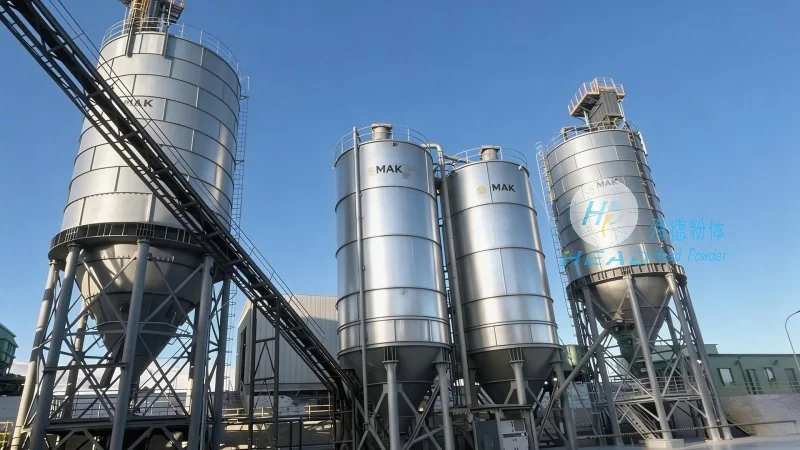
Mechanical conveyors, particularly belt and screw conveyors, are widely used for transporting bulk materials like bread flour. Belt conveyors use a continuous belt to move flour from one point to another, while screw conveyors employ a rotating screw to push the material forward. These systems are generally cost-effective and straightforward to install. However, they may suffer from issues like material degradation due to friction and the potential for contamination if not properly maintained. Additionally, they are often limited in vertical or horizontal distance and may not be suitable for handling fine or dusty flour without additional dust control measures.
Pneumatic conveying, also known as air conveying, offers a more advanced solution for transporting bread flour. This method uses compressed air to move flour through a pipeline system, eliminating the need for mechanical components in the conveying path. The primary types of pneumatic conveying systems include dilute-phase and dense-phase systems. Dilute-phase systems use low air velocity to transport flour in a suspended state, while dense-phase systems use higher air velocity to create a more compact flow. Both systems are designed to handle fine powders like bread flour with minimal degradation and high efficiency.
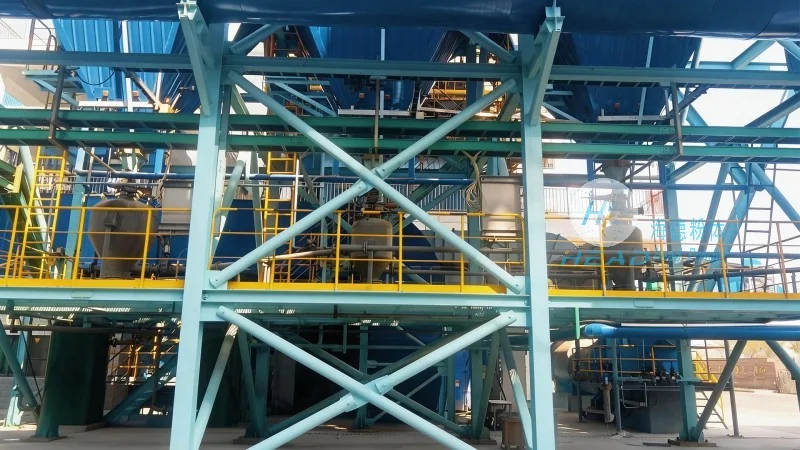
One of the most significant advantages of pneumatic conveying for bread flour is its ability to maintain product integrity. Unlike mechanical systems, pneumatic conveying minimizes friction and impact, reducing the risk of flour clumping or degradation. This is crucial for maintaining the quality of bread flour, which is sensitive to moisture and temperature changes. Additionally, pneumatic systems offer excellent dust control, as the flour is contained within the pipeline, preventing airborne dust from contaminating the environment or other products. This not only improves workplace safety but also enhances product purity.
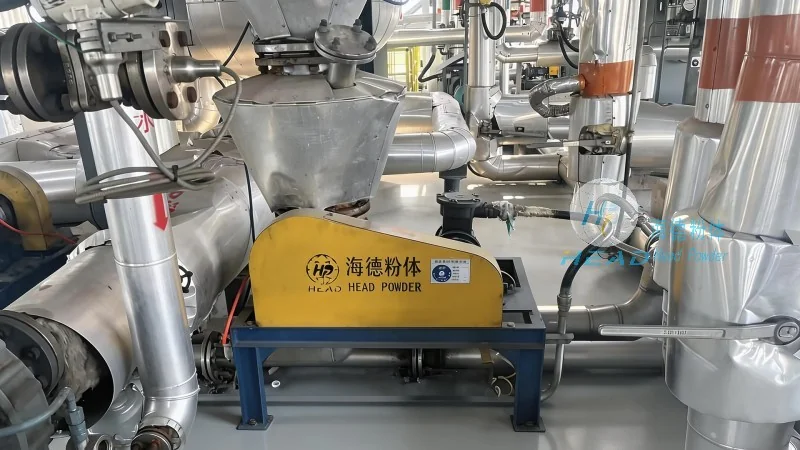
Pneumatic conveying systems for bread flour typically include components such as air compressors, filters, and control valves. The air compressor provides the necessary pressure to move the flour, while filters ensure that the air is clean and free from contaminants that could affect the flour quality. Control valves allow for precise regulation of the airflow and pressure, enabling operators to adjust the conveying rate as needed. These systems are often automated, with sensors and controls that monitor the flow rate, pressure, and other parameters to ensure optimal performance. The result is a highly efficient and reliable conveying process that minimizes downtime and maintenance requirements.
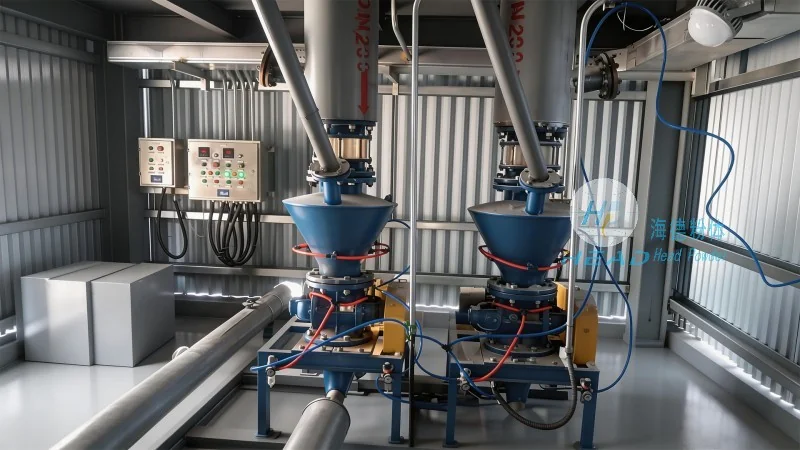
Pneumatic conveying is particularly well-suited for applications where bread flour needs to be transported over long distances or through multiple points in a facility. For example, in large-scale bakeries or flour mills, pneumatic systems can be used to move flour from storage silos to mixing areas, or from production lines to packaging stations. The flexibility of pneumatic systems allows for easy integration into existing production lines, with minimal disruption to operations. Additionally, these systems can be designed to handle varying flour types and moisture levels, making them versatile for different baking applications.
Shandong HeadPowder Engineering Co., Ltd., a leading provider of conveying solutions, specializes in the design and manufacturing of pneumatic conveying systems tailored for the food industry. With a focus on quality and innovation, the company has developed advanced technologies to meet the specific needs of bread flour processing. HeadPowder's systems are engineered to ensure the highest standards of product integrity, safety, and efficiency. The company's headquarters is located in Shandong, China, where it leverages local expertise and resources to deliver reliable and cost-effective solutions to clients worldwide.

 Shandong Headpowder Engineering Co., Ltd.
 156-6277-7102(Manager Zhang)
  0531-83386006
  Zhangqiu District, Jinan City, Shandong Province, China
telephone
WeChatconsult
top