With more than 10‑year industry experience, Shandong Headpowder delivers full‑service pneumatic‑conveying systems and blowers, undertaking nationwide turn‑key powder‑handling projects.
When it comes to handling desulfurization and dust removal ash, selecting the right conveying method is crucial for efficiency and environmental compliance. Various options exist, but pneumatic conveying has emerged as a preferred solution due to its effectiveness and adaptability. This article explores the different conveying methods available and highlights the key advantages and features of pneumatic conveying for this specific application.
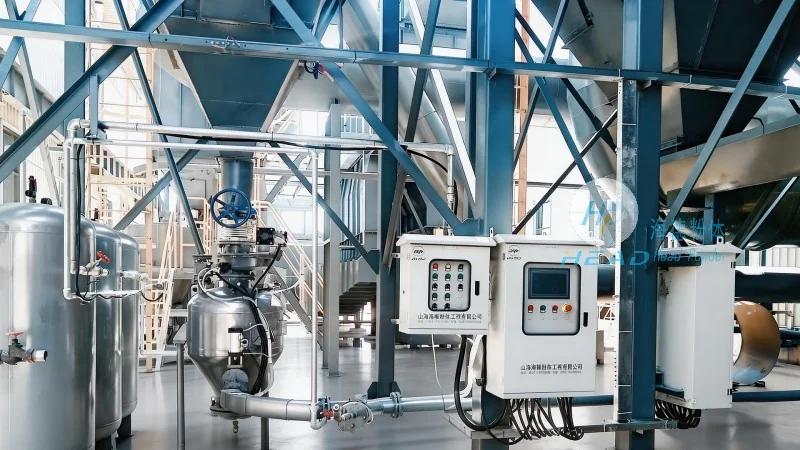
Desulfurization and dust removal ash, often referred to as FGD (Flue Gas Desulfurization) ash, is a byproduct generated during the process of removing sulfur dioxide from industrial exhaust gases. This material is typically fine, powdery, and can be abrasive, making it challenging to transport. The choice of conveying method must consider factors such as material properties, distance, and operational requirements to ensure safe and efficient handling.
Several conventional methods are used for transporting desulfurization and dust removal ash, including gravity flow, screw conveyors, and belt conveyors. Gravity flow systems rely on the material's natural weight to move it downward, which is suitable for short distances and gentle slopes. Screw conveyors use rotating screws to push the material forward, offering a compact solution for horizontal or slight incline transport. Belt conveyors, on the other hand, utilize a continuous belt to move the ash, making them ideal for longer distances and larger volumes. However, these methods often face limitations when dealing with fine, dusty materials, as they can lead to blockages, material degradation, and increased maintenance.
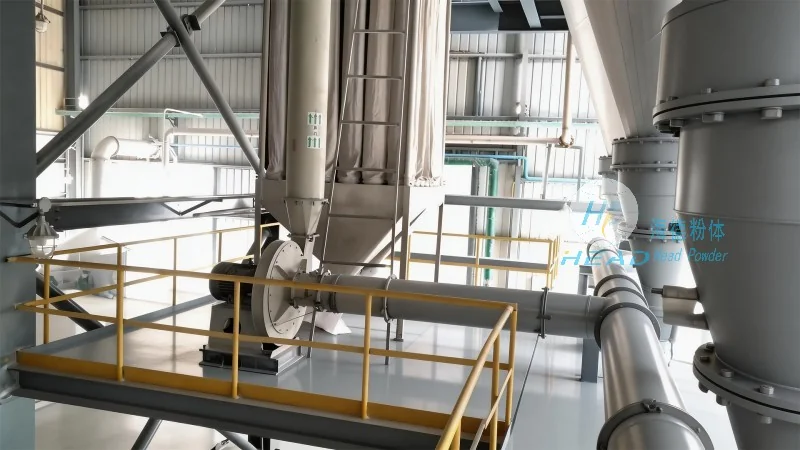
Pneumatic conveying, as a technology, involves transporting material through a pipeline using air or gas. It offers several advantages over traditional methods, particularly for handling desulfurization and dust removal ash. The primary benefit is the ability to transport fine, abrasive materials without the risk of blockages or degradation. By using air pressure to move the material, the system can maintain a consistent flow, reducing the need for frequent maintenance and downtime.
One of the most significant advantages of pneumatic conveying is its flexibility in handling varying material characteristics. Whether the ash is dry or slightly moist, the system can adapt by adjusting air pressure and flow rates. This adaptability ensures consistent performance even with changes in ash composition or moisture content. Additionally, pneumatic conveying systems are enclosed, which helps in controlling dust emissions and maintaining a clean working environment. This is particularly important in industrial settings where air quality regulations are stringent.
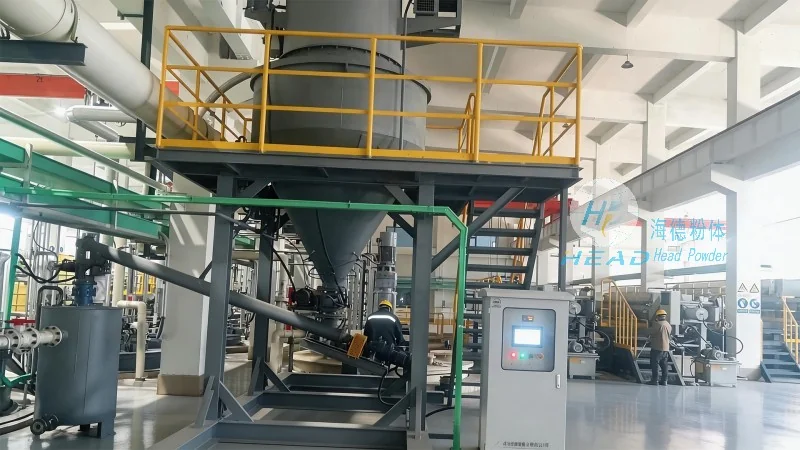
Modern pneumatic conveying systems for desulfurization and dust removal ash often incorporate advanced features to enhance performance and reliability. These may include variable speed drives that allow for precise control over the conveying rate, reducing energy consumption and wear on components. Some systems also utilize cyclone separators or filters to capture fine particles, preventing them from escaping into the environment. The use of high-quality materials, such as stainless steel or special alloys, ensures resistance to corrosion and abrasion, extending the system's lifespan. Furthermore, many systems are designed with modular components, making them easy to install, maintain, and upgrade as operational needs change.
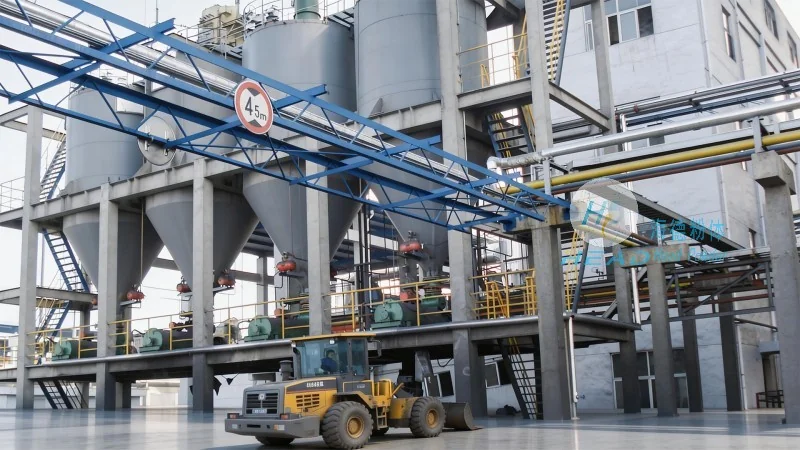
Pneumatic conveying is widely used in various industrial applications, including power plants, cement factories, and waste-to-energy facilities. The system's ability to handle long distances and multiple transfer points makes it suitable for complex conveying networks. Operational considerations include the selection of the appropriate air velocity, which must be high enough to prevent material settling but low enough to avoid excessive wear on the pipeline. The system's design also needs to account for the potential for material buildup, requiring regular cleaning or maintenance to ensure smooth operation.
In conclusion, while several conveying methods are available for desulfurization and dust removal ash, pneumatic conveying stands out as a highly effective and reliable solution. Its ability to handle fine, abrasive materials, maintain consistent flow, and control dust emissions makes it a preferred choice for many industrial applications. By understanding the advantages and features of pneumatic conveying, facilities can improve their operational efficiency and compliance with environmental regulations. For those seeking a robust and efficient conveying system, pneumatic conveying offers a compelling solution that aligns with modern industrial needs.

 Shandong Headpowder Engineering Co., Ltd.
 156-6277-7102(Manager Zhang)
  0531-83386006
  Zhangqiu District, Jinan City, Shandong Province, China
telephone
WeChatconsult
top