With more than 10‑year industry experience, Shandong Headpowder delivers full‑service pneumatic‑conveying systems and blowers, undertaking nationwide turn‑key powder‑handling projects.
When it comes to the production and processing of lithium-ion battery positive electrode materials, the choice of material transport method is critical. Efficient and reliable transport systems not only improve production efficiency but also ensure product quality. In this article, we will compare several common transport methods for lithium-ion battery positive electrode materials, analyzing their advantages and disadvantages to help manufacturers choose the most suitable solution. Shandong HeadPowder Engineering Co., Ltd. specializes in providing high-quality material handling equipment tailored for the lithium-ion battery industry, ensuring optimal performance and durability.
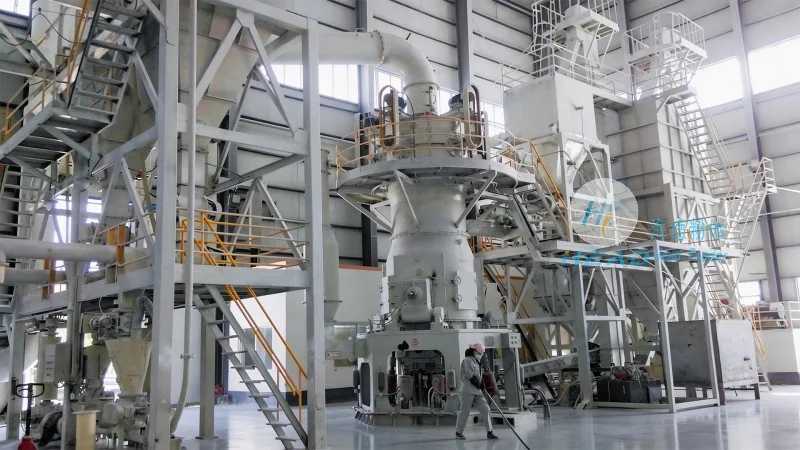
Screw conveyors are widely used in the transport of lithium-ion battery positive electrode materials due to their simple structure and low initial cost. They operate by rotating a screw within a closed tube, which moves materials forward through the tube. This method is particularly effective for vertical or horizontal transport of fine powders and granules. The primary advantages of screw conveyors include stable operation with minimal noise, making them suitable for cleanroom environments. They also require less space compared to other systems, which is beneficial for compact production facilities. However, screw conveyors have limitations. They are not ideal for materials with high moisture content or large, irregular particles, as this can cause blockages or uneven flow. The transport capacity is generally lower than other methods, and they are not suitable for long-distance transport. Maintenance involves regular cleaning and lubrication to prevent wear and ensure smooth operation.
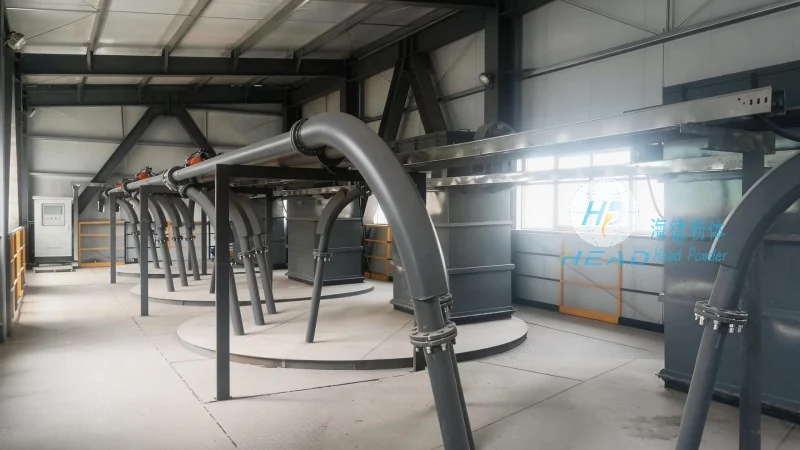
Pneumatic conveying systems utilize air pressure to transport materials, making them suitable for fine powders like lithium iron phosphate (LiFePO₄) and lithium cobalt oxide (LiCoO₂). These systems can transport materials over long distances with high efficiency, often using positive or negative pressure. The main advantages include the ability to handle materials with high moisture content and the flexibility to transport materials in multiple directions. Pneumatic systems also allow for dust-free transport, which is crucial for maintaining product purity. However, they have significant drawbacks. The high energy consumption due to air compression increases operational costs. The system is prone to wear on components like air filters and ducts, requiring frequent maintenance. Additionally, the initial investment is higher than for screw conveyors, and the system may not be suitable for abrasive materials that cause excessive wear.
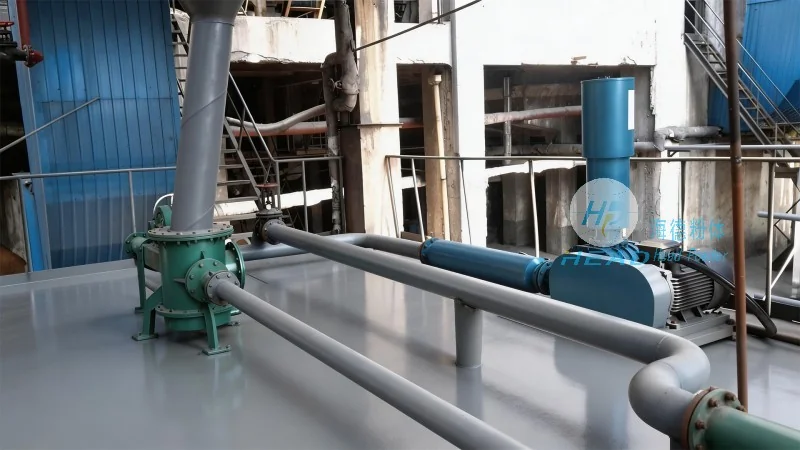
Vibrating conveyors rely on vibration to move materials along a trough. They are effective for transporting materials with high moisture content or large particles, such as some types of lithium battery cathode powders. The main advantages include high transport capacity and the ability to handle materials with varying sizes and shapes. Vibrating conveyors operate quietly and can be adjusted for different material characteristics. However, they have limitations. The system is sensitive to material properties; materials with high temperature or corrosive properties may damage the vibrating components. Maintenance focuses on the vibration motor and bearings, which require regular inspection to prevent failure. Additionally, the system may not be suitable for very fine powders that can cause excessive vibration and wear.
Belt conveyors are widely used in bulk material transport, including lithium-ion battery positive electrode materials. They consist of a continuous belt moving over rollers or pulleys, which transports materials horizontally or at an incline. The main advantages include high transport capacity, low maintenance costs, and the ability to handle large volumes of material over long distances. Belt conveyors are also flexible in terms of layout, allowing for integration into existing production lines. However, they have drawbacks. The system is not suitable for materials with high moisture content or large, sticky particles, as this can cause the belt to slip or material buildup. Regular cleaning is necessary to prevent contamination and ensure smooth operation. Additionally, the initial investment is moderate to high, and the system requires proper alignment and tensioning to avoid belt damage.
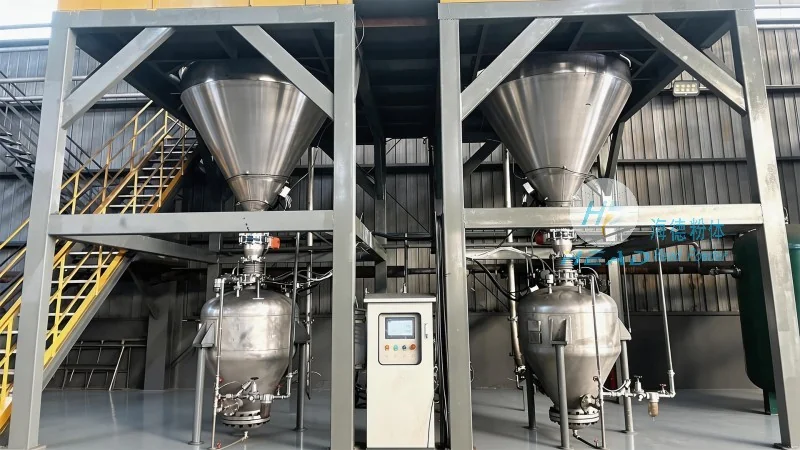
Shandong HeadPowder Engineering Co., Ltd. offers a comprehensive range of transport solutions, including screw conveyors, pneumatic systems, and vibrating conveyors, tailored to meet the specific needs of lithium-ion battery manufacturers. Our equipment is designed with durability and efficiency in mind, ensuring reliable performance in demanding production environments. By understanding the advantages and disadvantages of each transport method, manufacturers can select the most appropriate solution to optimize their production processes and enhance overall efficiency.

 Shandong Headpowder Engineering Co., Ltd.
 156-6277-7102(Manager Zhang)
  0531-83386006
  Zhangqiu District, Jinan City, Shandong Province, China
telephone
WeChatconsult
top