

What is a Glass Fiber Powder Pneumatic Conveying System? And What Are Its Design Principles?
Glass fiber powder, due to its high tensile strength, thermal stability, and chemical resistance, is widely used in various industrial applications. However, the handling of glass fiber powders presents specific challenges, especially when it comes to material transport. Pneumatic conveying systems offer an efficient solution for transporting these powders, and understanding the design principles behind such systems is crucial for optimizing performance and ensuring reliability. Shandong HeadPowder Engineering Co., Ltd., a leading provider of material handling solutions, specializes in designing and manufacturing pneumatic conveying systems tailored to the specific needs of glass fiber powder applications. This article explores the fundamental aspects of glass fiber powder pneumatic conveying systems, including their operation, key components, and design considerations, with a focus on the expertise and solutions offered by HeadPowder.
Understanding Pneumatic Conveying Technology
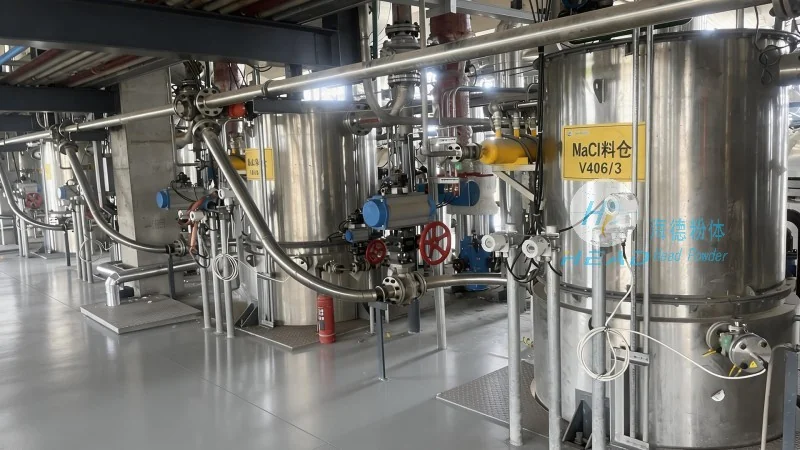
Pneumatic conveying is a method of transporting bulk materials through a pipeline using a gas stream, typically air or other gases. In the case of glass fiber powders, the system must be designed to handle the abrasive and potentially abrasive nature of the material, as well as its tendency to form agglomerates or caking. The primary goal of a pneumatic conveying system is to move the powder from a source to a destination while maintaining the material's integrity and minimizing degradation. There are two main types of pneumatic conveying systems: pressure and vacuum. Pressure systems use compressed air to push the material through the pipeline, while vacuum systems use a vacuum to pull the material. The choice between these systems depends on factors such as the distance to be covered, the material's characteristics, and the required flow rate.
Key Components of a Glass Fiber Powder Pneumatic Conveying System
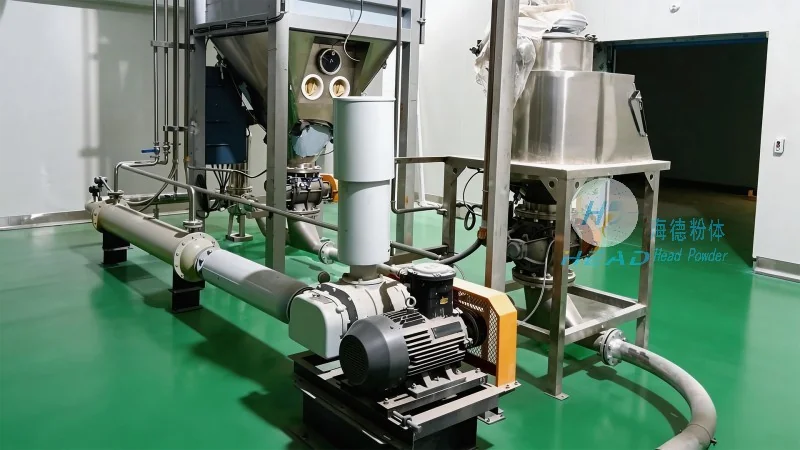
A typical glass fiber powder pneumatic conveying system consists of several key components that work together to ensure efficient material transport. These components include the material feed hopper, the air supply system (including a blower or compressor), the conveying pipeline, the control valves, and the discharge equipment. The material feed hopper is responsible for storing and feeding the glass fiber powder into the system. It is typically designed with a hopper that allows for uniform material flow and prevents bridging or caking. The air supply system provides the necessary pressure or vacuum to move the material through the pipeline. The blower or compressor is selected based on the required flow rate and pressure drop. The conveying pipeline is made of materials that are resistant to the abrasive nature of glass fiber powders, such as stainless steel or special coatings. The control valves are used to regulate the flow of air and material, ensuring smooth operation and preventing blockages. The discharge equipment is responsible for delivering the glass fiber powder to the final destination, such as a storage silo or processing equipment.
Design Principles for Optimal Performance
The design of a glass fiber powder pneumatic conveying system must consider several factors to ensure optimal performance. The first consideration is the material's properties, including its particle size distribution, density, and flowability. These properties affect the system's capacity and the required air velocity. The second consideration is the system's layout, including the length and diameter of the pipeline, the number of bends, and the elevation changes. The third consideration is the air supply system, including the type of blower or compressor, the pressure or vacuum level, and the air flow rate. The fourth consideration is the control system, including the valves and sensors used to regulate the flow and monitor the system's performance. The fifth consideration is the maintenance and operational requirements, including the need for regular cleaning and inspection to prevent blockages and ensure long-term reliability.
Applications of Glass Fiber Powder Pneumatic Conveying Systems
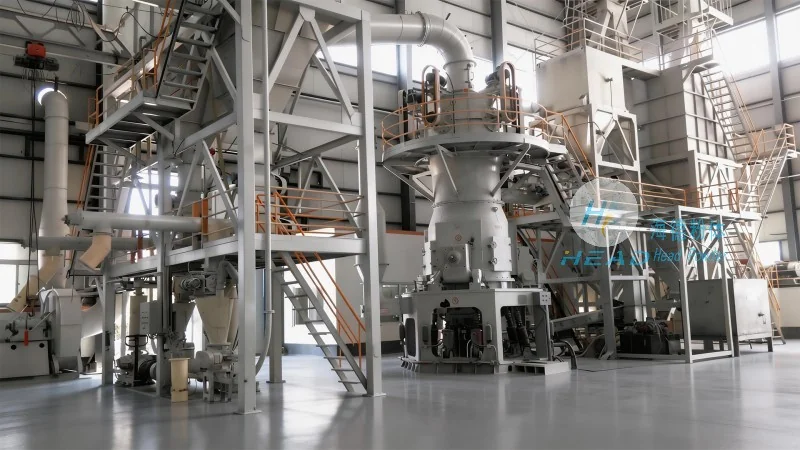
Glass fiber powder pneumatic conveying systems are used in a wide range of industrial applications, including the manufacturing of composites, insulation materials, and filtration products. In composite manufacturing, the system is used to transport glass fiber powders to the mixing and molding equipment. In insulation material production, the system is used to transport glass fiber powders to the production line. In filtration product manufacturing, the system is used to transport glass fiber powders to the filter media production equipment. The efficiency and reliability of these systems are critical to the success of these applications, as any downtime or material degradation can result in significant losses.