With more than 10‑year industry experience, Shandong Headpowder delivers full‑service pneumatic‑conveying systems and blowers, undertaking nationwide turn‑key powder‑handling projects.
At Shandong HeadPowder Engineering Co., Ltd., we specialize in the design, manufacturing, and implementation of advanced pneumatic conveying systems tailored for handling silica powder. This article delves into the operational process and underlying principles of such systems, providing a comprehensive overview for industry professionals and potential clients. The focus remains on the technical aspects of the system, ensuring clarity and precision in the description of how these systems efficiently transport silica powder from source to destination.
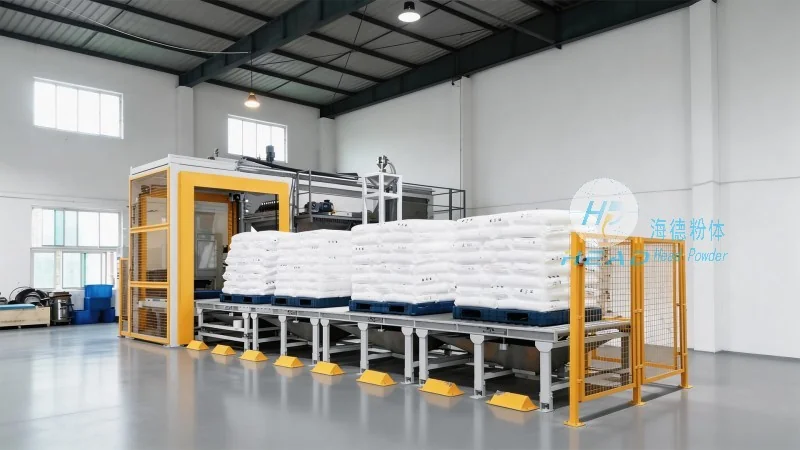
The core of any pneumatic conveying system for silica powder involves several critical components that work in concert to ensure smooth and reliable operation. These components include the silo or hopper for material storage, a feeder to control the flow of silica powder, a conveying line (either positive or negative pressure), a receiver or discharge hopper, and a dust collection system. Each component plays a vital role in maintaining the integrity of the silica powder and preventing clogging or degradation during transport. The company, HeadPowder, emphasizes the importance of selecting the right components based on the specific characteristics of the silica powder, such as particle size, moisture content, and flowability, to optimize system performance.
The operation of a silica powder pneumatic conveying system typically follows a structured sequence of steps. Initially, the silica powder is fed from the storage silo into the feeder, which regulates the material flow rate to match the system's conveying capacity. The feeder then delivers the powder into the conveying line, where it is propelled by either positive pressure (air is blown into the line) or negative pressure (air is drawn out of the line). The conveying line transports the powder to the receiver, where it is collected and stored. Throughout this process, the system maintains consistent pressure and airflow to prevent blockages and ensure the powder moves efficiently. HeadPowder's engineers meticulously design the system's pressure and flow parameters to accommodate the unique properties of silica powder, ensuring minimal loss and maximum efficiency.
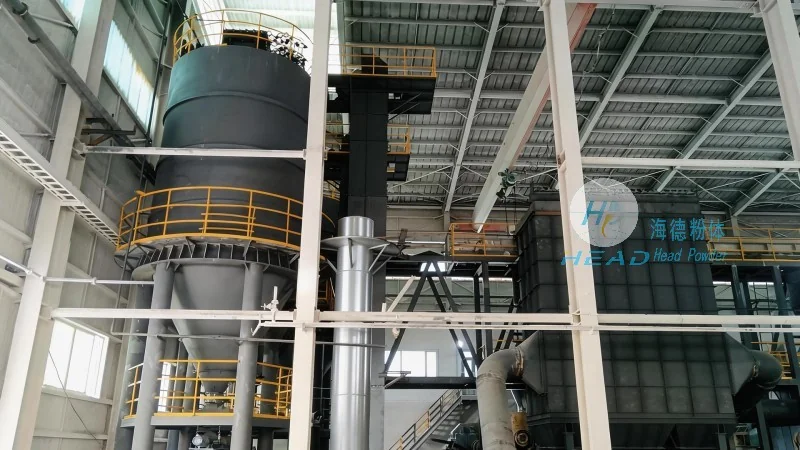
The working principle of a pneumatic conveying system for silica powder is based on the principles of fluid dynamics and particle movement. In positive pressure systems, compressed air is introduced into the conveying line, creating a high-pressure environment that pushes the silica powder particles along the line. The air acts as a carrier, suspending the powder and moving it through the system. In negative pressure systems, the air is drawn out of the line, creating a vacuum that pulls the powder from the source to the receiver. The choice between positive and negative pressure depends on factors such as the distance to be covered, the material's properties, and the system's design. The company, HeadPowder, utilizes advanced engineering techniques to balance the pressure and airflow, ensuring that the silica powder is conveyed without degradation and with minimal energy consumption.
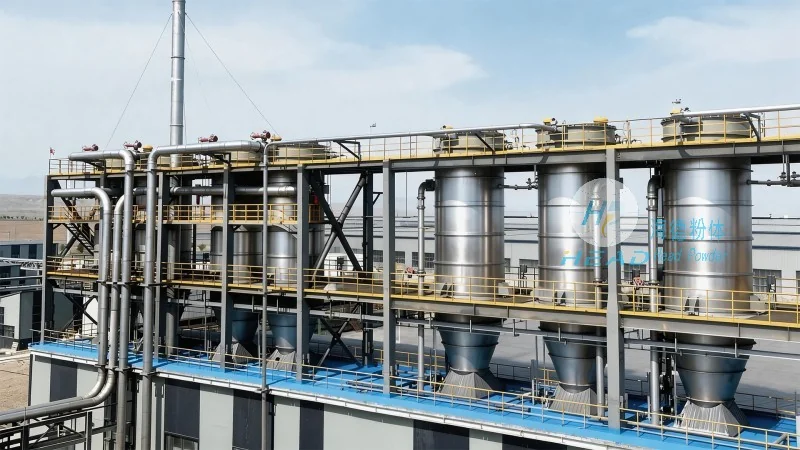
Compared to traditional methods like belt conveyors or bucket elevators, pneumatic conveying offers several advantages when handling silica powder. These include the ability to transport the powder in a closed system, which prevents contamination and dust emissions, enhancing workplace safety and environmental compliance. Additionally, pneumatic systems can handle materials with varying particle sizes and flow characteristics, making them versatile for different applications. The system's flexibility allows for easy integration with existing production lines, and the reduced need for mechanical parts minimizes maintenance requirements. HeadPowder's expertise in designing customized pneumatic conveying systems ensures that clients benefit from these advantages tailored to their specific needs.
Silica powder pneumatic conveying systems are widely used in various industries where silica powder is a key component. These include the glass manufacturing industry, where silica is used as a raw material for glass production; the foundry industry, where silica is used in sand casting processes; and the construction industry, where silica-based materials are used in concrete and mortar. The system's ability to handle large volumes of silica powder efficiently makes it ideal for these applications. HeadPowder has successfully implemented such systems in numerous industrial settings, demonstrating the reliability and effectiveness of their solutions.

 Shandong Headpowder Engineering Co., Ltd.
 156-6277-7102(Manager Zhang)
  0531-83386006
  Zhangqiu District, Jinan City, Shandong Province, China
telephone
WeChatconsult
top