With more than 10‑year industry experience, Shandong Headpowder delivers full‑service pneumatic‑conveying systems and blowers, undertaking nationwide turn‑key powder‑handling projects.
Shandong HeadPowder Engineering Co., Ltd. specializes in the design, manufacturing, and installation of advanced pneumatic conveying systems tailored for magnesia sand applications. This system is engineered to efficiently transport magnesia sand from storage silos or processing units to various destinations within industrial facilities, ensuring high reliability and minimal material loss. The system integrates state-of-the-art components, including high-performance blowers, flexible hoses, and specialized conveying lines, to deliver consistent performance under diverse operational conditions.
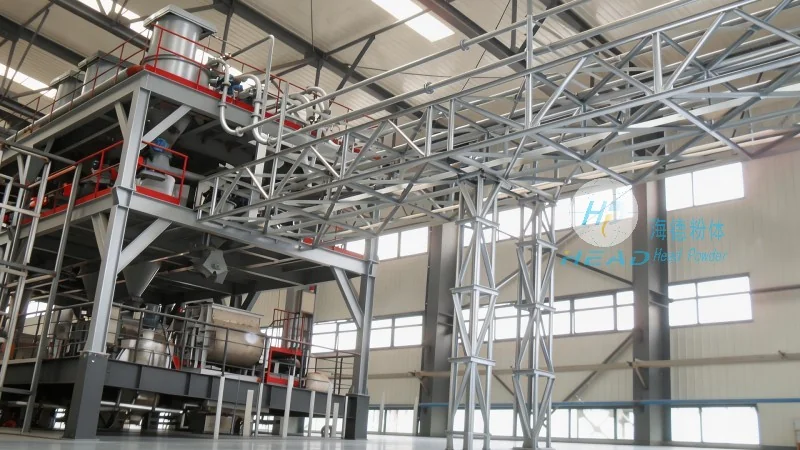
The magnesia sand pneumatic conveying system comprises several critical components that work in tandem to ensure smooth operation. The primary components include a positive displacement blower or centrifugal fan, which generates the necessary air pressure to move the material. A hopper or feed hopper is used to store and feed the magnesia sand into the conveying line. The conveying line itself is typically made of flexible or rigid tubing, depending on the system design and material handling requirements. Additionally, a filter system is integrated to capture any fine particles or dust, maintaining air quality and preventing contamination of the surrounding environment. The system may also include a control panel with sensors and valves to regulate the flow rate and pressure, ensuring optimal performance and safety.
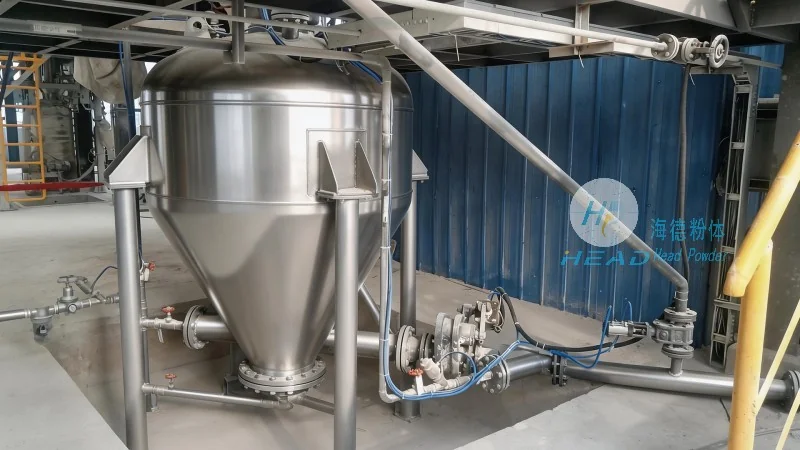
The operation of the magnesia sand pneumatic conveying system follows a systematic process, starting from material loading to delivery. Initially, magnesia sand is fed into the hopper from a storage silo or bulk container. The material is then discharged into the conveying line through a rotary valve or feeder, which controls the flow rate. The blower or fan generates high-pressure air, which is introduced into the conveying line, creating a flow that propels the magnesia sand particles. As the air and sand mixture travels through the system, it passes through various sections, including bends, expansions, and filters. The material is separated from the air at the receiving end, typically through a cyclone separator or a bag filter, and the sand is collected in a designated container or processing unit. The air, now filtered, is discharged back into the environment or recirculated if necessary. This process ensures efficient and continuous transport of magnesia sand with minimal downtime and maintenance.
The working principle of the magnesia sand pneumatic conveying system is based on the fundamental principles of fluid dynamics and particle transport. The system operates by creating a pressure differential between the inlet and outlet of the conveying line. The blower or fan supplies the necessary pressure to overcome the resistance caused by the conveying line, bends, and the material itself. The magnesia sand particles are suspended in the air stream, and the velocity of the air is sufficient to keep the particles in suspension, preventing them from settling or clogging the system. The key to efficient operation is maintaining an appropriate air-to-material ratio, which ensures that the particles are adequately supported by the air flow. The system's design, including the size of the conveying line, the type of blower, and the flow rate, is optimized to achieve this balance, resulting in reliable and consistent material transport. Additionally, the system incorporates features such as pressure relief valves and safety sensors to prevent over-pressurization and ensure safe operation under all conditions.
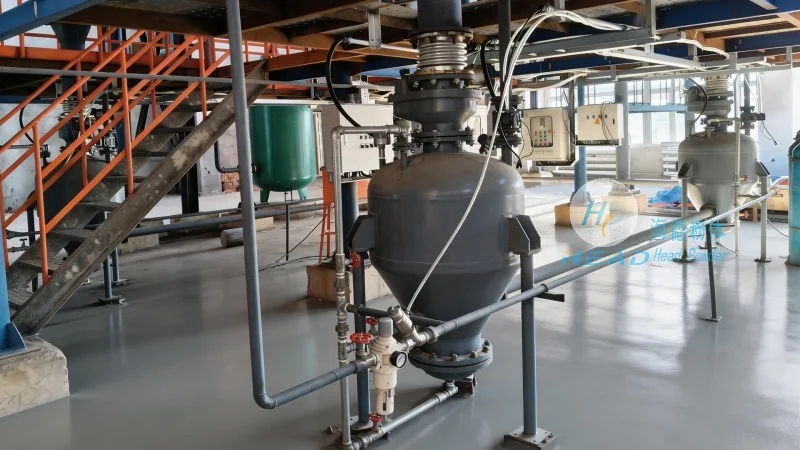
The magnesia sand pneumatic conveying system offers several advantages over traditional mechanical conveying methods, making it an ideal choice for industrial applications. One of the primary benefits is the ability to transport magnesia sand in a dust-free environment, which enhances workplace safety and reduces the risk of material contamination. The system also provides high material transfer rates, allowing for efficient handling of large volumes of magnesia sand. Additionally, the flexible design of the system allows for easy integration with existing industrial processes, minimizing installation time and costs. The system is widely used in various industries, including refractory manufacturing, where magnesia sand is a critical raw material. It is also suitable for applications in foundries, cement production, and other sectors that require the transport of fine or abrasive materials. The reliability and durability of the system, combined with its low maintenance requirements, make it a cost-effective solution for long-term material handling needs.

 Shandong Headpowder Engineering Co., Ltd.
 156-6277-7102(Manager Zhang)
  0531-83386006
  Zhangqiu District, Jinan City, Shandong Province, China
telephone
WeChatconsult
top