

What is a Polycarbonate Powder Pneumatic Conveying System? And What Are Its Design Principles?
Polycarbonate powder pneumatic conveying systems are specialized industrial equipment designed to transport polycarbonate powder through a pneumatic process. These systems are crucial in various manufacturing and processing applications where efficient and reliable material handling is essential. The core function of such systems is to move polycarbonate powder from a source to a destination using compressed air or other gas as the conveying medium. Polycarbonate, a thermoplastic polymer renowned for its high impact resistance, optical clarity, and durability, is widely used in industries like automotive, aerospace, electronics, and medical devices. The ability to handle this material efficiently is vital for maintaining production efficiency and product quality.

Design Principles of Polycarbonate Powder Pneumatic Conveying Systems
The design of a polycarbonate powder pneumatic conveying system involves several key principles that ensure optimal performance and efficiency. First, the system must be engineered to handle the specific properties of polycarbonate powder, including its particle size, density, and flow characteristics. Polycarbonate particles can vary in size, from fine powders to larger granules, and the system must accommodate these variations to prevent issues like clogging or uneven flow. The density of polycarbonate is relatively high, which affects the air velocity required for effective transport. Engineers must calculate the appropriate air pressure and velocity to ensure the powder is carried without excessive energy consumption or risk of material degradation. Additionally, the system must account for the tendency of polycarbonate to agglomerate or stick to surfaces, which can lead to blockages in the conveying line. Design features such as hopper agitation, vibration, or the use of anti-static materials are often incorporated to mitigate these issues and ensure smooth operation.
Key Components of the System
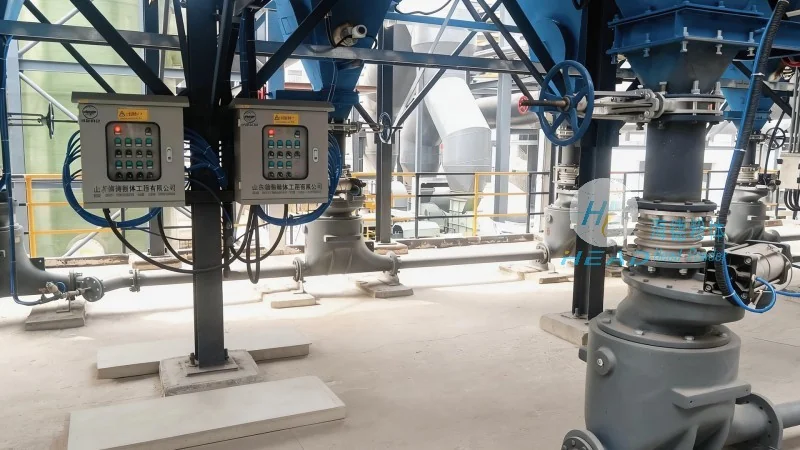
Polycarbonate powder pneumatic conveying systems typically consist of several key components that work in concert to achieve effective material transport. The primary components include a hopper or storage bin for the polycarbonate powder, a rotary valve or feeder to control the flow rate, a conveying line (usually a pipe) through which the powder is transported, a compressor or blower to generate the air pressure, and a receiver or discharge point where the powder is deposited. The hopper is designed to store the powder and may include a metering device to regulate the flow, ensuring a consistent and controlled delivery. The conveying line is typically made of materials resistant to polycarbonate, such as stainless steel or specialized plastic, to prevent corrosion or material interaction. The compressor provides the necessary pressure to move the powder through the line, and the receiver is engineered to collect the powder efficiently, minimizing spillage and ensuring a clean discharge. In some systems, additional components like filters or cyclones may be included to separate any entrained air or fine particles from the powder, improving the overall efficiency and purity of the conveying process.
Design Considerations for Optimal Performance
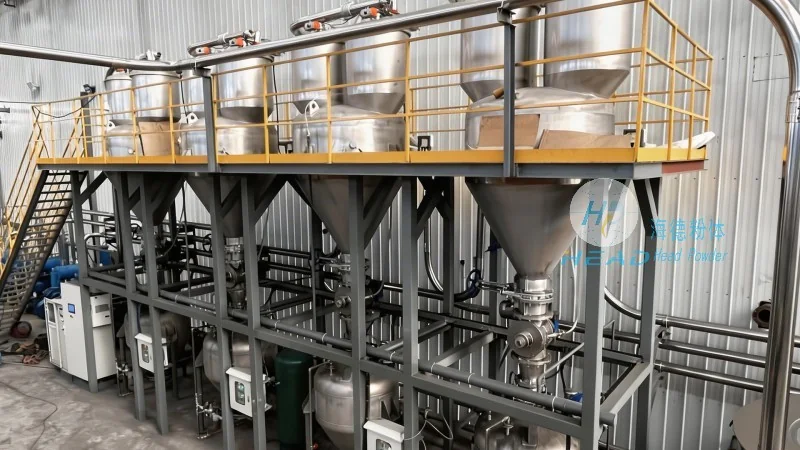
When designing a polycarbonate powder pneumatic conveying system, several factors must be considered to achieve the best results. The system must be tailored to the specific application requirements, such as the distance between the source and destination, the volume of powder to be transported, and the desired flow rate. The particle size distribution of the polycarbonate powder is a critical factor, as finer particles may require higher air velocities to prevent settling or clogging. The system must also account for the potential for polycarbonate to stick to surfaces, which can lead to blockages. To mitigate this, the system may include features like vibration or agitation in the hopper and conveying line to keep the powder in motion. Additionally, the system should be designed for easy maintenance and cleaning, as polycarbonate can sometimes leave residue that may affect performance over time. The use of smooth, non-stick surfaces in the hopper and conveying line is also important to prevent material buildup. Engineers must also consider the environmental factors, such as temperature and humidity, which can affect the properties of polycarbonate and the performance of the conveying system. Proper insulation and temperature control may be necessary to maintain the desired conditions and prevent material degradation.
Applications of Polycarbonate Powder Pneumatic Conveying Systems
Polycarbonate powder pneumatic conveying systems are widely used in various industries where polycarbonate is processed or used as a raw material. These include the automotive industry, where polycarbonate is used in parts like headlight lenses, interior components, and safety devices. The high impact resistance of polycarbonate makes it ideal for applications that require durability and safety. In the aerospace industry, polycarbonate is used for components that need to withstand extreme conditions, such as windows and interior parts. The electronics industry utilizes polycarbonate for housings and casings of electronic devices, and the conveying system ensures that powder is transported safely and efficiently to production lines. Additionally, in the medical and pharmaceutical sectors, polycarbonate is used for devices and equipment, and the system helps maintain the purity and integrity of the powder during transport. The versatility of polycarbonate and the efficiency of pneumatic conveying make these systems indispensable in modern manufacturing processes. By ensuring reliable and efficient transport of polycarbonate powder, these systems contribute to increased productivity, reduced downtime, and improved product quality across various industries.

About Shandong HeadPowder Engineering Co., Ltd.
Shandong HeadPowder Engineering Co., Ltd., commonly known as headpowder, is a leading manufacturer and supplier of specialized powder handling equipment. With a focus on innovation and quality, the company has developed advanced polycarbonate powder pneumatic conveying systems that meet the highest industry standards. HeadPowder's systems are designed to provide reliable and efficient material transport, ensuring that customers can meet their production demands with minimal downtime and maximum productivity. The company's commitment to customer satisfaction and technical excellence has made it a trusted partner in the industry, serving clients across China and beyond. Based in Shandong, China, HeadPowder leverages its expertise and local resources to deliver top-tier solutions for powder handling challenges. The company's team of experienced engineers and technicians work closely with clients to understand their specific needs and provide customized solutions that enhance operational efficiency and reduce costs. HeadPowder's dedication to research and development ensures that its products remain at the forefront of technology, offering cutting-edge solutions for the evolving demands of the industry.