With more than 10‑year industry experience, Shandong Headpowder delivers full‑service pneumatic‑conveying systems and blowers, undertaking nationwide turn‑key powder‑handling projects.
Aluminum battery pneumatic conveying systems represent a sophisticated solution for the efficient handling and transportation of aluminum battery components. These systems are engineered to ensure reliable operation, minimal downtime, and optimal material flow management in industrial settings. The design and functionality of such systems are critical for maintaining productivity and adhering to safety standards in battery manufacturing and processing facilities.
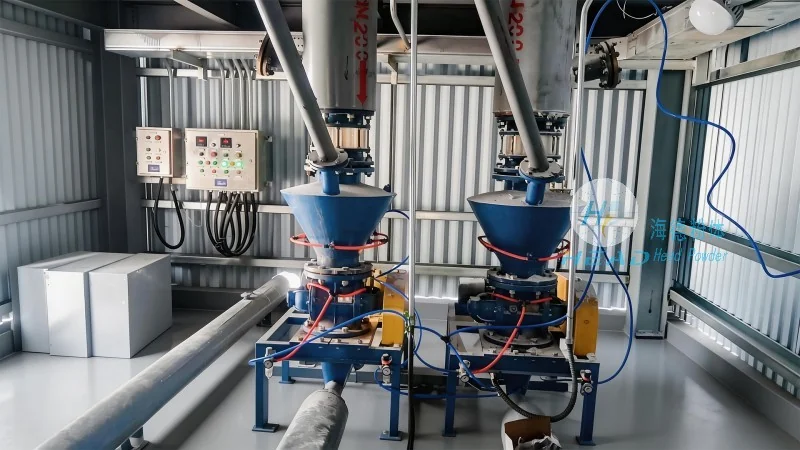
The aluminum battery pneumatic conveying system typically comprises several essential components, each playing a vital role in the overall operation. These include the hopper for material storage, the conveyor line with appropriate ducting, air movers (such as blowers or fans) to generate the necessary airflow, and control systems for regulating pressure and flow. Additionally, the system may incorporate filters and cyclones to separate the conveyed material from the air, ensuring a clean and efficient process. The integration of these components is crucial for the system's effectiveness and longevity.
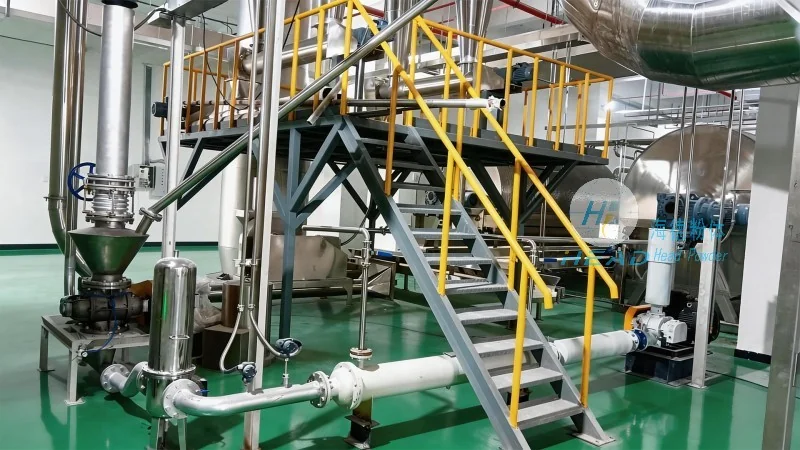
The operation of an aluminum battery pneumatic conveying system follows a systematic sequence of steps to ensure smooth material transfer. Initially, aluminum battery components are loaded into the hopper. The control system then activates the air mover, creating a low-pressure zone within the conveyor line. As the air flows through the ducts, it draws the material from the hopper and propels it through the system. The material travels through the conveying line, which may include bends, expansions, or reductions to adjust the flow velocity and pressure. At the discharge point, the material is deposited into the receiving container or processing unit. The system continuously monitors and adjusts the airflow and pressure to maintain consistent material flow rates, preventing blockages or inefficiencies.
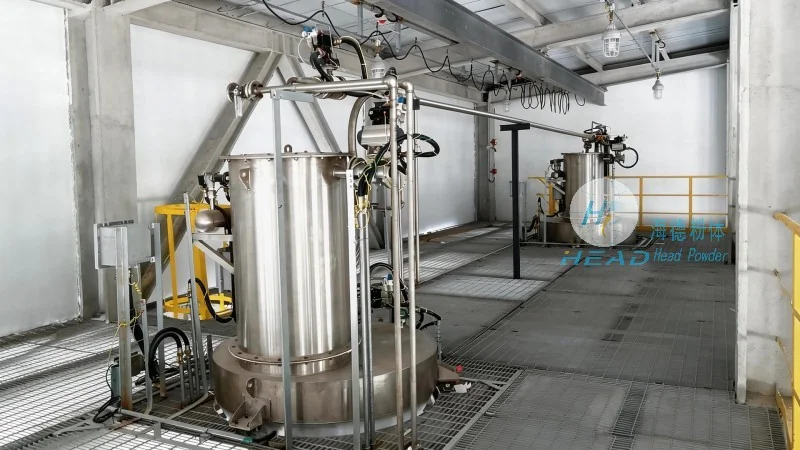
The working principle of an aluminum battery pneumatic conveying system is based on the fundamental physics of fluid dynamics and particle transport. The system relies on the creation of a pressure differential between the inlet and outlet of the conveying line. The air mover generates a high-velocity airflow that entrains the aluminum battery components, converting them into a suspended state. This suspension allows the material to be transported through the ducts without direct contact with the pipe walls, reducing wear and friction. The pressure differential ensures that the material is continuously drawn forward, while the air flow maintains the suspension. The system's efficiency is determined by factors such as the air velocity, material density, and duct dimensions, all of which are optimized to achieve the desired conveying capacity and pressure drop.
Implementing an aluminum battery pneumatic conveying system offers numerous advantages for industrial applications. One of the primary benefits is the ability to handle materials in a dust-free environment, which is particularly important for aluminum battery components that require high purity and minimal contamination. The system also provides a flexible and space-saving solution, as it can transport materials over long distances without the need for complex mechanical equipment. Additionally, pneumatic conveying systems are generally low-maintenance, with fewer moving parts compared to traditional belt or bucket conveyors. This reduces operational costs and enhances system reliability. Furthermore, the system can be easily integrated with other processing equipment, such as sorting or packaging machines, to create a seamless production line.
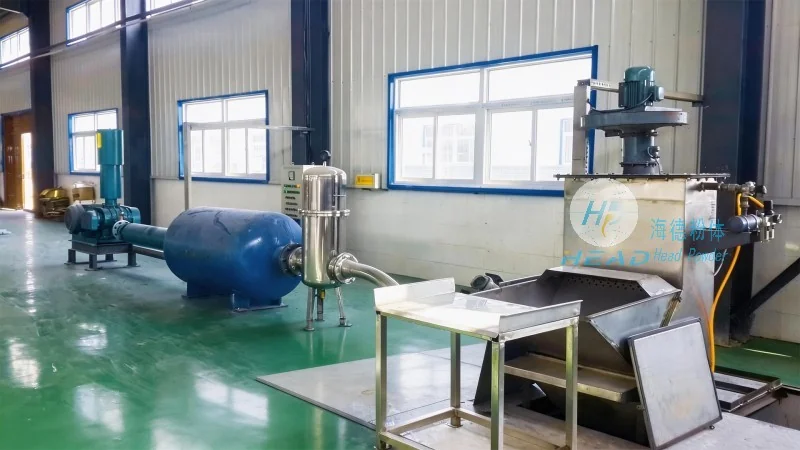
Shandong HeadPowder Engineering Co., Ltd., operating under the brand name headpowder, is a leading provider of specialized engineering solutions for material handling and processing. With a strong focus on innovation and customer satisfaction, the company has established itself as a trusted partner in the industry. HeadPowder specializes in designing and manufacturing custom pneumatic conveying systems tailored to the specific needs of clients, including those in the battery manufacturing sector. The company's headquarters is located in Shandong, China, where it leverages advanced technology and skilled expertise to deliver high-quality products and services. By combining years of experience with cutting-edge engineering, HeadPowder ensures that its systems meet the highest standards of performance, safety, and durability.

 Shandong Headpowder Engineering Co., Ltd.
 156-6277-7102(Manager Zhang)
  0531-83386006
  Zhangqiu District, Jinan City, Shandong Province, China
telephone
WeChatconsult
top