With more than 10‑year industry experience, Shandong Headpowder delivers full‑service pneumatic‑conveying systems and blowers, undertaking nationwide turn‑key powder‑handling projects.
Gravity dust removal pneumatic conveying systems represent a sophisticated industrial solution for the efficient handling and transport of fine particulate materials. These systems are integral to industries such as cement, chemical manufacturing, and food processing, where the removal of airborne dust and the safe conveyance of powders are critical operational priorities. By integrating principles of gravity separation with pneumatic transport, these systems ensure both material efficiency and environmental compliance, making them a preferred choice for applications requiring precise control over dust and material flow.
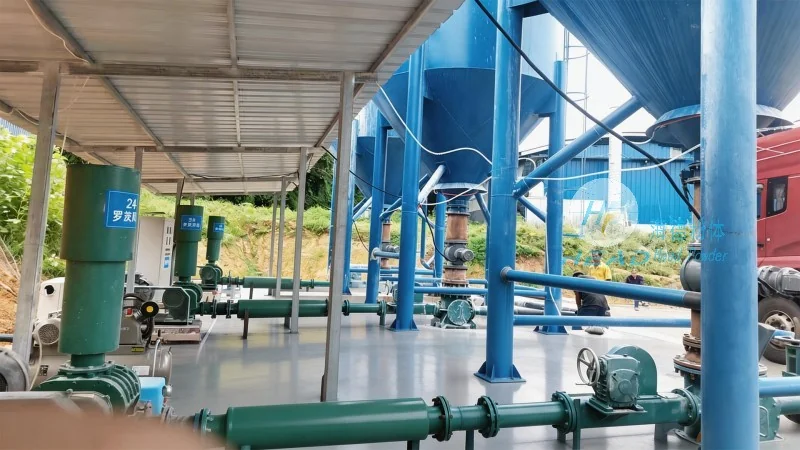
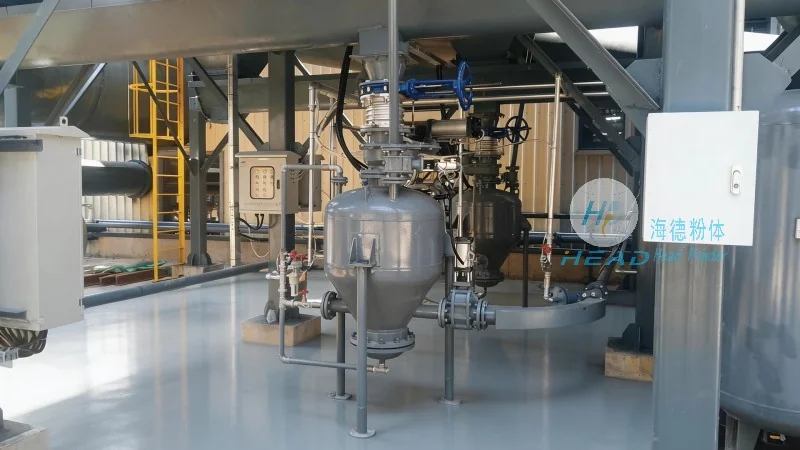
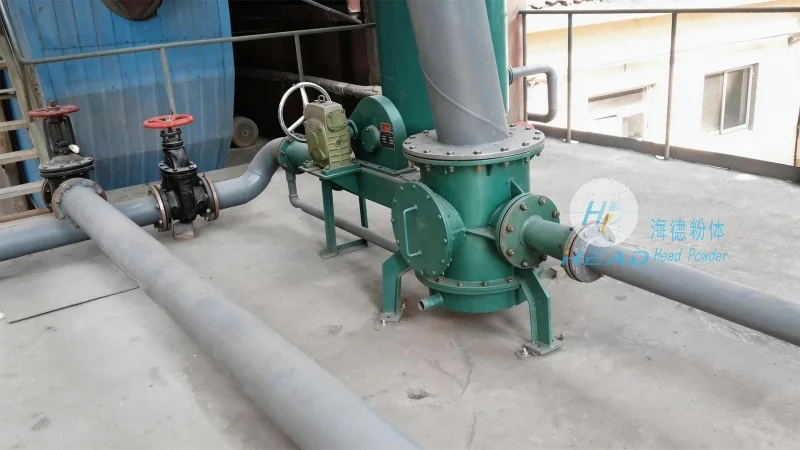
The gravity dust removal pneumatic conveying system comprises several key components, each serving a specific purpose in the overall operation. The primary components include a dust collector, a conveying pipeline, a material hopper, a control valve, and a dust removal unit. The dust collector is responsible for capturing and separating dust particles from the conveying air stream, utilizing mechanisms like centrifugal force and gravity to achieve effective separation. The conveying pipeline, often made of metal or flexible hoses, transports the material from the source to the destination, operating under either positive or negative pressure depending on the application. The material hopper stores the bulk material, providing a consistent feed to the system and preventing material buildup. The control valve regulates the flow of material and air, maintaining optimal pressure and flow rates to ensure smooth operation. The dust removal unit further processes the collected dust, which may involve filtration, drying, or other treatment steps to prepare it for disposal or reuse. Each component works in harmony to ensure the system operates efficiently and reliably.

 Shandong Headpowder Engineering Co., Ltd.
 156-6277-7102(Manager Zhang)
  0531-83386006
  Zhangqiu District, Jinan City, Shandong Province, China
telephone
WeChatconsult
top