With more than 10‑year industry experience, Shandong Headpowder delivers full‑service pneumatic‑conveying systems and blowers, undertaking nationwide turn‑key powder‑handling projects.
HeadPowder, a leading manufacturer based in Shandong, China, specializes in the design, production, and supply of advanced pneumatic conveying systems. Our quick loading pneumatic conveying equipment is engineered to efficiently transport bulk materials with precision and reliability, catering to diverse industrial applications. This article delves into the operational process and underlying working principles of such equipment, providing a comprehensive understanding for industry professionals.
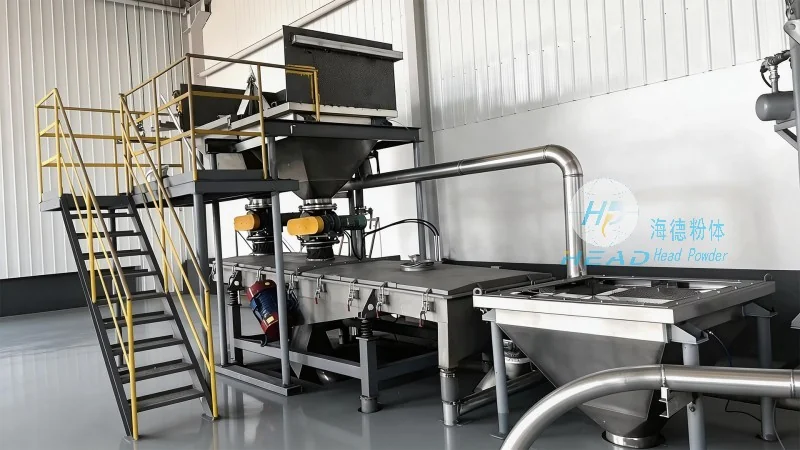
Quick loading pneumatic conveying equipment is a sophisticated system designed to handle the rapid and efficient transfer of bulk materials from a storage or feeding point to a processing or storage location. The system typically comprises several key components, including a material hopper, a feeding mechanism, a conveying pipeline, a control unit, and a discharge outlet. These components work in tandem to ensure seamless material movement, minimizing downtime and maximizing productivity in industrial settings.
The effectiveness of quick loading pneumatic conveying equipment relies on the integration of specialized components, each serving a critical role in the overall operation. The material hopper, often equipped with a loading hopper or a silo, stores the bulk material and provides a consistent feed to the system. The feeding mechanism, which may include a rotary valve, a star feeder, or a screw feeder, regulates the flow of material into the conveying pipeline. The conveying pipeline, usually made of stainless steel or other corrosion-resistant materials, transports the material through the system under pressure. The control unit manages the pressure, flow rate, and other operational parameters to ensure optimal performance. Finally, the discharge outlet delivers the material to its intended destination, such as a processing unit or a storage silo.
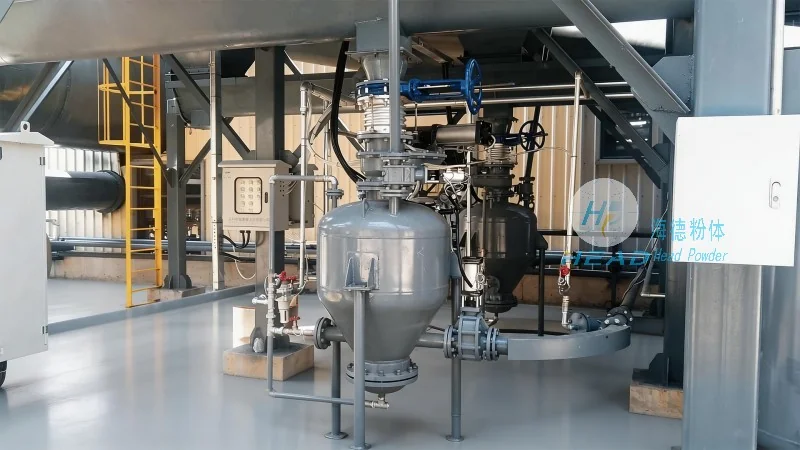
The operation of quick loading pneumatic conveying equipment follows a systematic sequence of steps to ensure efficient material transfer. The process begins with the loading of bulk material into the hopper. Once the hopper is filled, the feeding mechanism starts to deliver the material into the conveying pipeline. Simultaneously, the system's air compressor generates the necessary pressure to move the material through the pipeline. As the material travels through the pipeline, it is propelled by the air flow, which can be either positive pressure (where air pushes the material) or negative pressure (where air pulls the material). The control unit continuously monitors the pressure and flow rate, adjusting them as needed to maintain a stable and efficient conveying process. Upon reaching the discharge outlet, the material is released and directed to its final destination. The entire process is designed to be rapid and reliable, allowing for high throughput and minimal material loss.
The working principle of quick loading pneumatic conveying equipment is based on the fundamental concept of using air to transport bulk materials. The system operates by creating a pressure differential between the hopper and the discharge outlet. In positive pressure systems, the air compressor increases the pressure in the conveying pipeline, forcing the material to move forward. The material is suspended in the air stream and carried through the pipeline until it reaches the discharge point. In negative pressure systems, the air is drawn from the discharge end, creating a vacuum that pulls the material through the pipeline. Both systems rely on the interaction between the air flow and the material particles to achieve efficient transport. The design of the conveying pipeline, including its diameter, length, and bends, is critical to maintaining the air flow and preventing material deposition or blockages. Proper maintenance and regular cleaning of the pipeline are essential to ensure consistent performance and prevent system failures.
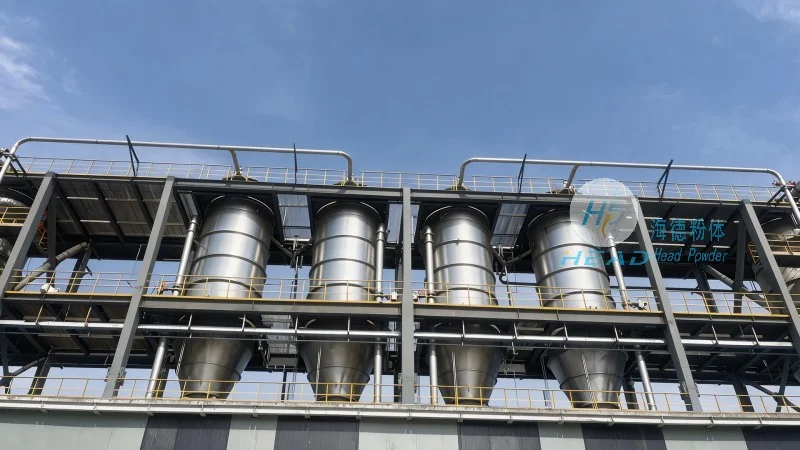
Quick loading pneumatic conveying equipment offers several advantages over traditional material handling methods. Firstly, it provides a high degree of flexibility, allowing for the transport of materials over long distances and through complex layouts. The system can handle a wide range of bulk materials, including powders, granules, and even fine particles, without the need for additional processing. Secondly, it minimizes material contamination and degradation, as the material is enclosed within the conveying pipeline, preventing exposure to external elements. Thirdly, the system is highly efficient, with low energy consumption and minimal downtime. The quick loading feature allows for rapid material transfer, reducing the time required for loading and unloading operations. Finally, the equipment is easy to install and maintain, with modular components that can be easily replaced or upgraded. These advantages make quick loading pneumatic conveying equipment an ideal solution for industries requiring reliable and efficient material handling.
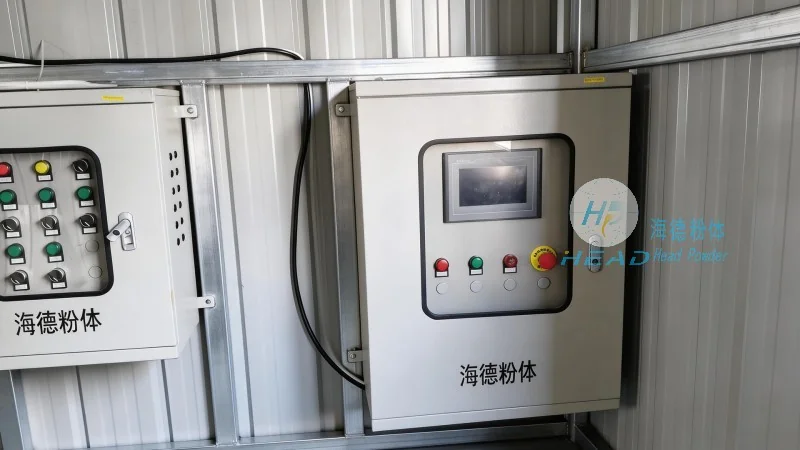
Quick loading pneumatic conveying equipment is widely used in various industries due to its versatility and efficiency. In the food and pharmaceutical industries, the equipment is used to transport raw materials and finished products, ensuring strict hygiene and contamination control. In the chemical industry, it handles a variety of powders and granules, including chemicals, fertilizers, and pigments. The mining and mineral processing industry utilizes the equipment to transport ore and other minerals from processing plants to storage facilities. In the agricultural sector, it is used to convey grain, feed, and other agricultural products. The equipment is also used in the cement and construction industry to transport raw materials and finished products. The adaptability of the system makes it suitable for a wide range of applications, making it a valuable asset for any industrial operation.
Proper maintenance is crucial to ensure the long-term performance and reliability of quick loading pneumatic conveying equipment. Regular inspection of the components, including the hopper, feeding mechanism, and conveying pipeline, is essential to identify and address any potential issues. The air compressor and control unit should be checked regularly to ensure they are operating within the specified parameters. The conveying pipeline should be cleaned periodically to prevent material buildup and blockages. If the system experiences any issues, such as reduced flow or increased pressure, it is important to troubleshoot the problem promptly. Common issues may include clogged pipelines, faulty valves, or air compressor problems. By addressing these issues in a timely manner, the system can be restored to optimal performance, minimizing downtime and maximizing productivity.

 Shandong Headpowder Engineering Co., Ltd.
 156-6277-7102(Manager Zhang)
  0531-83386006
  Zhangqiu District, Jinan City, Shandong Province, China
telephone
WeChatconsult
top