With more than 10‑year industry experience, Shandong Headpowder delivers full‑service pneumatic‑conveying systems and blowers, undertaking nationwide turn‑key powder‑handling projects.
Mobile pneumatic conveying equipment, also known as mobile pneumatic transport systems, is a specialized industrial solution designed for the efficient handling and transportation of bulk materials. These systems are engineered to operate on vehicles, providing flexibility and mobility in material transfer applications. The technology behind mobile pneumatic conveying leverages the principles of air flow to move materials from a source to a destination, making it suitable for various industries including food processing, pharmaceuticals, and chemical manufacturing.
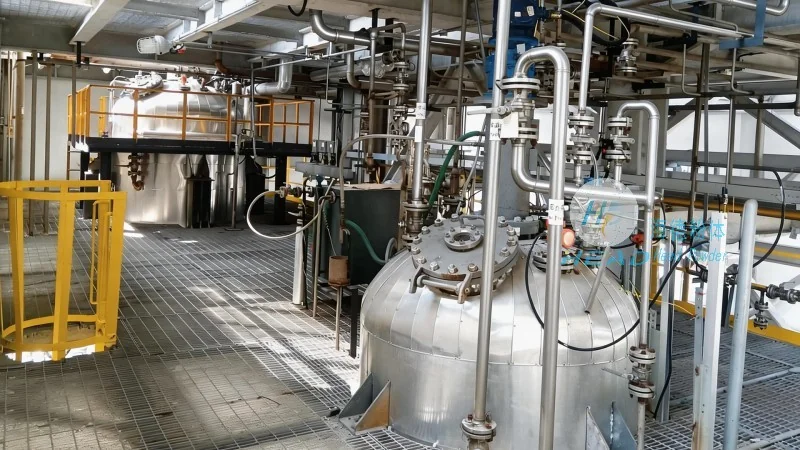
HeadPowder, a leading manufacturer based in Shandong, China, specializes in the design, development, and production of advanced mobile pneumatic conveying equipment. With a strong commitment to quality and innovation, the company has established itself as a trusted partner for businesses seeking reliable and efficient material handling solutions. The company's headquarters is located in Shandong, where it maintains state-of-the-art facilities for research, development, and manufacturing.
Mobile pneumatic conveying systems are designed to transport bulk materials using compressed air or other gases. The core components of these systems typically include a hopper for material storage, a conveying line, a fan or blower to generate airflow, and a discharge outlet. The mobile nature of the equipment allows it to be positioned as needed, enabling seamless integration into existing production lines or temporary setups. This flexibility is particularly valuable in industries where material sources or destinations are not fixed, such as construction sites, agricultural operations, or emergency response scenarios.
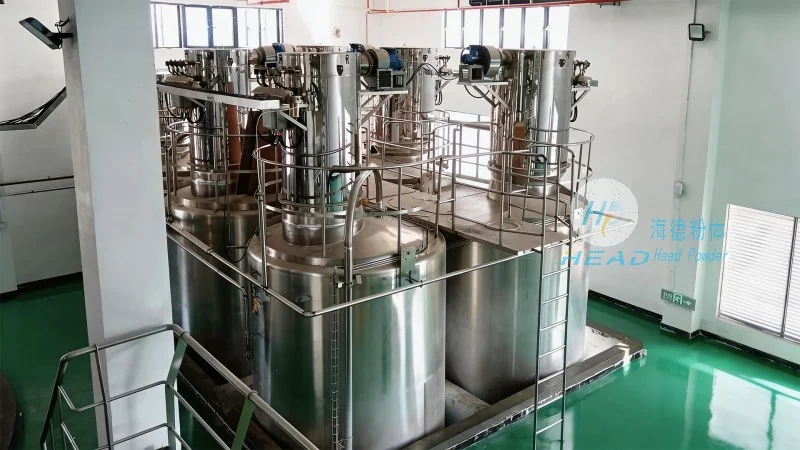
The performance and efficiency of mobile pneumatic conveying equipment depend on the proper functioning of several key components. The hopper serves as the primary storage container, ensuring a consistent supply of material to the system. It is equipped with a feeding mechanism, such as a rotary valve or screw feeder, which controls the flow of material into the conveying line. The conveying line, usually made of metal or flexible tubing, carries the material and air mixture from the hopper to the discharge point. A fan or blower generates the necessary airflow, creating a pressure differential that propels the material through the system. The discharge outlet is designed to release the material at the desired location, often with a control valve to regulate the flow rate.
The operation of mobile pneumatic conveying equipment involves a series of coordinated steps to ensure smooth material transfer. The process typically begins with the loading of material into the hopper. Once the hopper is filled, the feeding mechanism starts, allowing material to enter the conveying line. Simultaneously, the fan or blower is activated, generating the airflow that moves the material through the system. As the material travels through the conveying line, it is suspended in the air stream and transported to the discharge outlet. The control system monitors the pressure and flow rates, adjusting the fan speed or feeding rate as needed to maintain optimal performance. The entire process is automated, reducing the need for manual intervention and ensuring consistent material delivery.
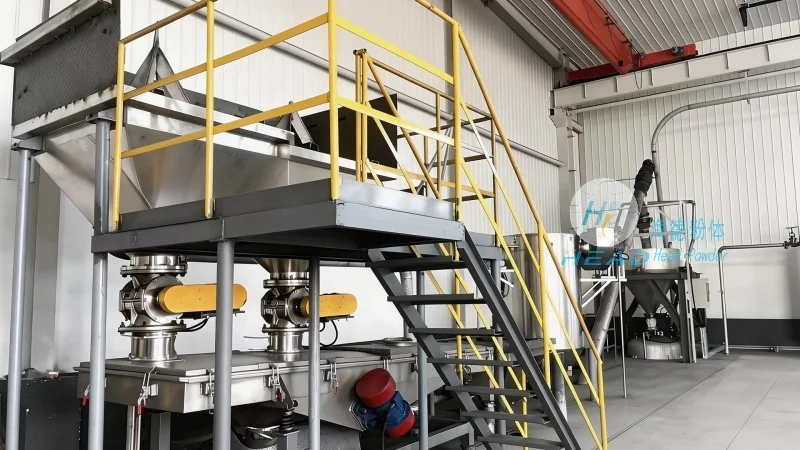
The working principle of mobile pneumatic conveying is based on the fundamental physics of fluid dynamics. When compressed air is introduced into the conveying line, it creates a low-pressure environment that draws material from the hopper into the air stream. The material particles are entrained by the air flow, forming a slurry or suspension that is transported to the discharge point. The velocity of the air and the size of the material particles determine the efficiency of the conveying process. For example, smaller particles require lower air velocities to maintain suspension, while larger particles may need higher velocities to prevent settling. The system is designed to optimize these parameters to achieve the best possible material transfer efficiency.
Mobile pneumatic conveying equipment offers several advantages over traditional material handling methods. One of the primary benefits is its flexibility, as the equipment can be easily repositioned to accommodate changing production needs or temporary setups. This mobility reduces the need for fixed infrastructure, lowering installation and maintenance costs. Additionally, the system is highly efficient, capable of transporting large volumes of material over significant distances with minimal energy consumption. The enclosed design of the conveying line also helps to prevent dust and contamination, making it suitable for applications where material purity is critical, such as in food and pharmaceutical industries. Furthermore, the automated operation of the system reduces labor costs and improves safety by minimizing human exposure to hazardous materials.
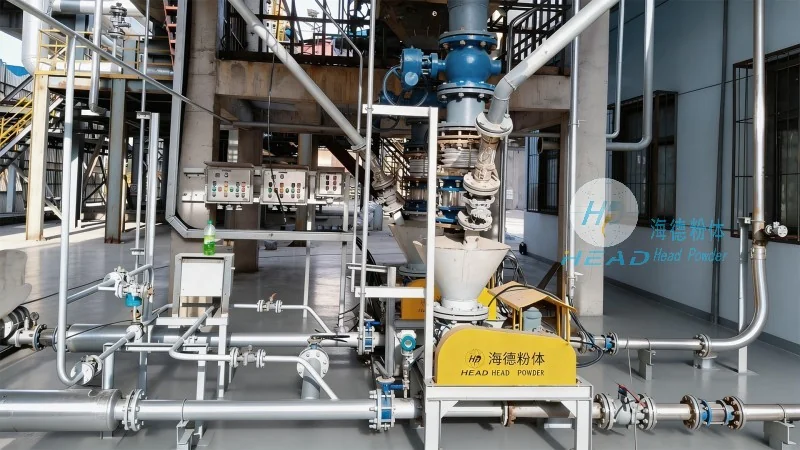
Mobile pneumatic conveying equipment is widely used across various industries due to its versatility and efficiency. In the food processing industry, it is used to transport grains, powders, and other food products from storage to processing lines. The system's enclosed design ensures that the materials remain clean and free from contamination, meeting stringent food safety regulations. In the pharmaceutical industry, mobile pneumatic conveying is employed to handle active pharmaceutical ingredients (APIs) and other sensitive materials, where contamination control is paramount. The chemical industry also benefits from this technology, as it can handle corrosive or hazardous materials safely and efficiently. Additionally, the equipment is used in construction and mining applications for transporting sand, gravel, and other bulk materials to different locations on site.
Proper maintenance is essential to ensure the long-term performance and reliability of mobile pneumatic conveying equipment. Regular inspections of the hopper, conveying line, and fan or blower are necessary to identify and address any potential issues. The feeding mechanism should be checked for proper operation to prevent material blockages or uneven flow. The air filter and compressor should be maintained to ensure clean and consistent airflow. Additionally, the system should be cleaned regularly to prevent material buildup and clogging. Operational considerations include monitoring the pressure and flow rates, as well as adjusting the fan speed or feeding rate to optimize performance. Proper training of operators is also crucial to ensure safe and efficient operation of the equipment.

 Shandong Headpowder Engineering Co., Ltd.
 156-6277-7102(Manager Zhang)
  0531-83386006
  Zhangqiu District, Jinan City, Shandong Province, China
telephone
WeChatconsult
top