With more than 10‑year industry experience, Shandong Headpowder delivers full‑service pneumatic‑conveying systems and blowers, undertaking nationwide turn‑key powder‑handling projects.
Grass material pneumatic conveying systems are advanced industrial solutions designed to efficiently transport bulk grass materials such as hay, straw, or silage over long distances with minimal human intervention. These systems leverage the principles of pneumatic transport, utilizing air pressure to move materials through a network of pipes and components. The technology is widely adopted in agricultural and food processing industries due to its ability to handle delicate materials while maintaining low contamination levels. Developed and manufactured by Shandong HeadPowder Engineering Co., Ltd. (headpowder), a leading provider of engineering solutions for material handling, these systems are tailored to meet the specific needs of modern agricultural operations.
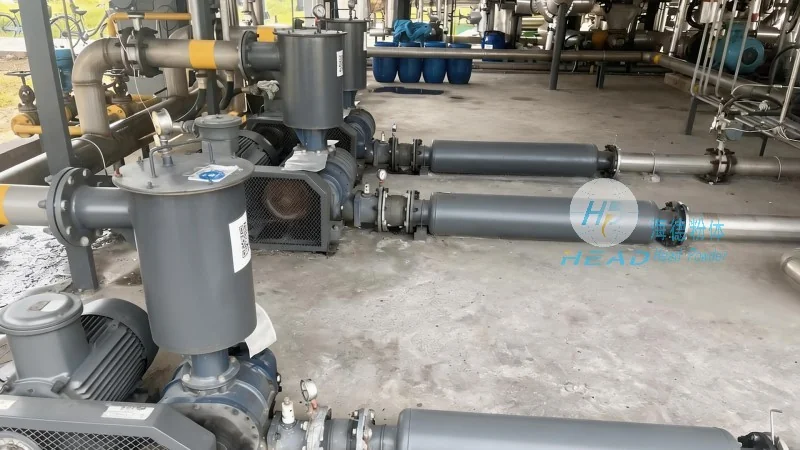
The core components of a typical grass material pneumatic conveying system include the material hopper, rotary valve, air compressor, conveying pipes, and a receiver or discharge unit. The material hopper stores the raw grass material and feeds it into the system via a rotary valve, which controls the flow rate and prevents backflow. The air compressor generates the necessary air pressure to move the material through the pipes. The conveying pipes are usually made of stainless steel or plastic to ensure durability and resistance to corrosion from the grass materials. The receiver or discharge unit collects the transported material and discharges it at the destination point. Each component is designed to work in harmony, ensuring efficient and reliable material transport.
The operation of a grass material pneumatic conveying system follows a systematic process. Initially, the grass material is loaded into the hopper. The rotary valve then regulates the material flow into the conveying line. Simultaneously, the air compressor supplies compressed air into the system. As the air flows through the pipes, it creates a low-pressure zone that draws the material particles into the air stream. The mixture of air and material travels through the pipes at high velocity, reaching the receiver where the material is separated from the air. The separated material is collected, while the air is typically filtered and recycled back into the system to conserve energy and reduce waste. This closed-loop system minimizes environmental impact and operational costs.
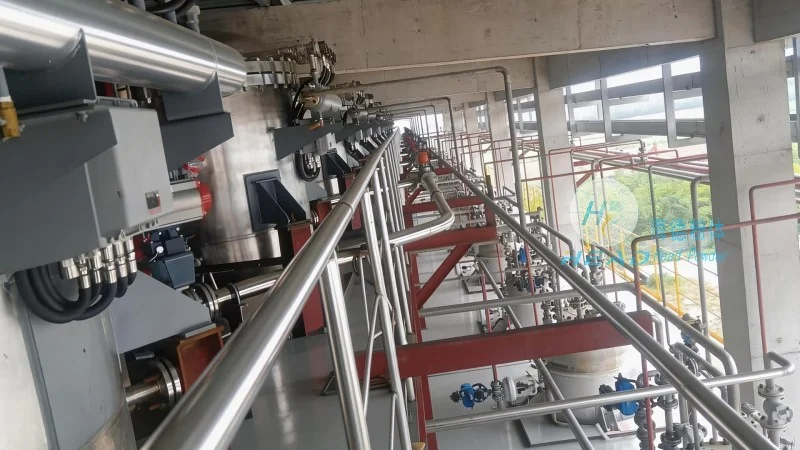
The operational process of the grass material pneumatic conveying system can be broken down into several key steps. First, the system is prepared by ensuring all components are properly connected and the air compressor is running at the correct pressure. Next, the material hopper is filled with the grass material. The rotary valve is then activated to start the material feed. The air compressor maintains a consistent pressure to ensure smooth material transport. During operation, the system continuously monitors the flow rate and pressure to adjust as needed. The receiving unit collects the material, and the system may include a cleaning cycle to remove any residual material from the pipes. Finally, the system is shut down by stopping the air compressor and allowing the material to be discharged from the hopper. Each step is critical to maintaining the system's efficiency and preventing downtime.
Implementing a pneumatic conveying system for grass materials offers several advantages over traditional methods such as belt conveyors or manual handling. Firstly, it provides a hygienic and contamination-free transport process, which is crucial for food-grade materials. Secondly, the system minimizes material breakage and dust generation, preserving the quality of the grass. Thirdly, it allows for long-distance transport without the need for multiple transfer points, reducing operational costs and labor requirements. Additionally, the system is flexible and can be easily integrated with other processing equipment, enhancing overall production efficiency. The headpowder systems, in particular, are known for their high reliability and low maintenance requirements, making them a preferred choice for agricultural businesses.
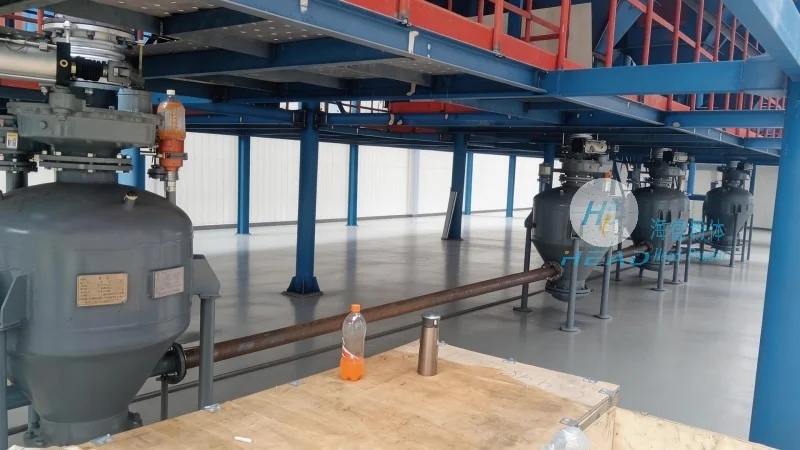
Grass material pneumatic conveying systems are widely used in various applications within the agricultural and food sectors. In dairy farms, these systems efficiently transport silage from storage silos to feeding areas, ensuring consistent and timely delivery of feed to livestock. In hay processing facilities, the systems move dried hay from baling machines to storage silos or packaging lines. Similarly, in straw processing plants, the technology is employed to transport straw for animal bedding or biofuel production. The versatility of the system makes it suitable for both large-scale commercial operations and smaller agricultural settings, adapting to different material types and transport requirements. The systems from headpowder have been successfully deployed in farms across China, including those in Shandong province, where the company is based.
To ensure optimal performance and longevity of the grass material pneumatic conveying system, regular maintenance is essential. This includes checking the air compressor for proper pressure and airflow, inspecting the rotary valve for wear and tear, and cleaning the conveying pipes to prevent blockages. The system should also be equipped with monitoring devices to detect any issues such as pressure drops or material buildup. Proper maintenance not only extends the lifespan of the equipment but also maintains the quality of the transported grass material. Additionally, operators should be trained on the system's operation and safety protocols to prevent accidents and ensure smooth operation. By following these guidelines, agricultural businesses can maximize the benefits of their pneumatic conveying systems and achieve consistent productivity.

 Shandong Headpowder Engineering Co., Ltd.
 156-6277-7102(Manager Zhang)
  0531-83386006
  Zhangqiu District, Jinan City, Shandong Province, China
telephone
WeChatconsult
top