With more than 10‑year industry experience, Shandong Headpowder delivers full‑service pneumatic‑conveying systems and blowers, undertaking nationwide turn‑key powder‑handling projects.
Understanding additive material handling is crucial for industries that rely on precise and efficient processing of raw materials. Additive material handling systems are specialized equipment designed to transport, store, and manage various additives used in manufacturing processes. These systems play a vital role in ensuring that materials are delivered to the production line in the correct quantity and at the right time, optimizing overall operational efficiency.
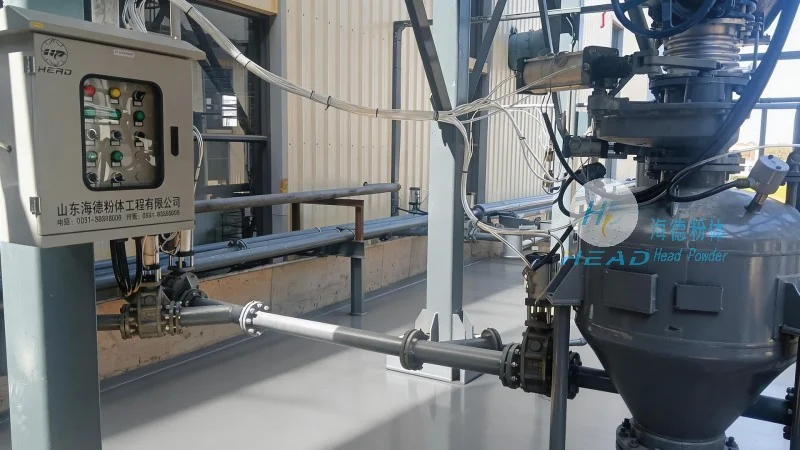
Additive material handling refers to the processes and technologies used to handle, transport, and store additive materials in industrial settings. Additives are substances added to a base material to enhance its properties, such as strength, color, or functionality. The handling of these materials requires specialized equipment to maintain their quality and prevent contamination. In many industries, including pharmaceuticals, food processing, and chemical manufacturing, the proper handling of additives is essential for product consistency and regulatory compliance.
The design of additive material handling systems is based on several key principles to ensure reliability, efficiency, and safety. These principles include material compatibility, contamination control, and process integration. Material compatibility ensures that the handling equipment is suitable for the specific additive being processed, preventing any chemical reactions or degradation. Contamination control measures are critical to maintain the purity of the additives, as even minor contaminants can affect the final product quality. Process integration involves designing the system to seamlessly connect with existing production lines, minimizing downtime and maximizing throughput.
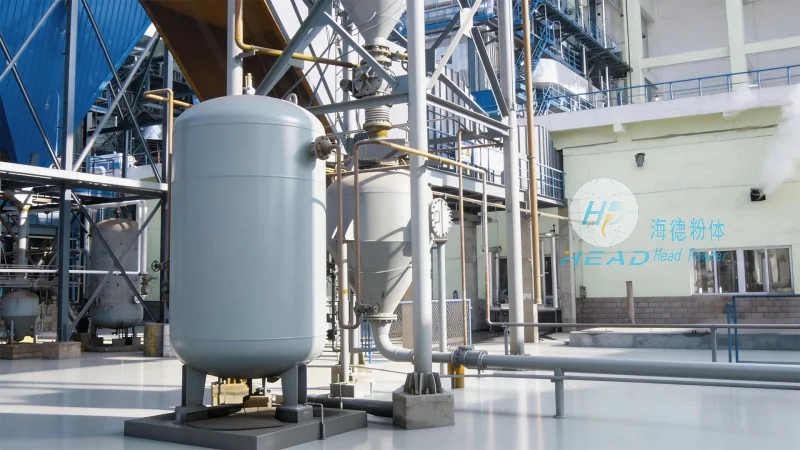
Additive material handling systems typically consist of several key components that work together to achieve efficient material transport. These components include feeders, conveyors, storage silos, and control systems. Feeders are used to meter and deliver the additive at a controlled rate, ensuring consistent dosing. Conveyors, such as belt or screw conveyors, transport the material from one location to another within the facility. Storage silos are used to store large quantities of additives, providing a buffer to meet production demands. Control systems, often integrated with sensors and automation, monitor the system's performance and adjust operations as needed to maintain optimal conditions.
Additive material handling systems are widely used across various industries, each with unique requirements. In the pharmaceutical industry, for example, these systems must adhere to stringent GMP (Good Manufacturing Practice) standards to ensure product safety and quality. The handling of active pharmaceutical ingredients (APIs) requires precise control to prevent cross-contamination and maintain batch consistency. In the food industry, additives like flavorings, colorants, and preservatives are handled with systems that meet food safety regulations, ensuring that the final products are safe for consumption. Chemical manufacturing also relies on additive material handling for the processing of various chemicals, where the systems must be designed to handle corrosive or hazardous materials safely.
Implementing an effective additive material handling system offers numerous benefits to industrial operations. One of the primary advantages is improved product quality, as consistent and accurate material delivery leads to uniform product characteristics. This consistency is crucial for meeting customer expectations and regulatory requirements. Another benefit is increased operational efficiency, as the systems minimize downtime and reduce the need for manual intervention. By automating the material handling process, companies can achieve higher throughput and lower labor costs. Additionally, effective systems enhance safety by reducing the risk of accidents associated with manual handling of potentially hazardous materials. This not only protects employees but also minimizes the risk of product recalls or regulatory penalties.
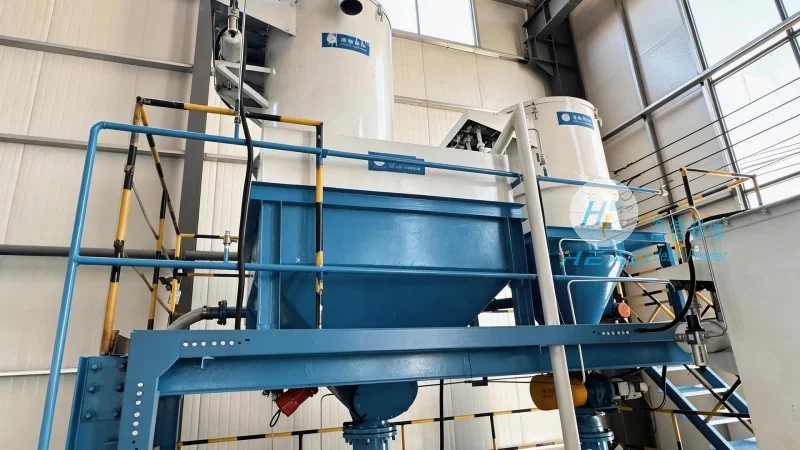
Shandong HeadPowder Engineering Co., Ltd., a leading provider of material handling solutions, understands the importance of customization and integration in additive material handling systems. The company specializes in designing and manufacturing systems tailored to the specific needs of each client. By working closely with clients, HeadPowder engineers can integrate new additive handling systems with existing production lines, ensuring a smooth transition and minimal disruption to operations. The company's expertise in material science and industrial engineering allows them to develop solutions that address unique challenges, such as handling fine powders or managing high-volume production. Customization options include adjustable feed rates, different conveyor types, and storage capacities, enabling clients to optimize their systems for maximum efficiency.
In conclusion, additive material handling is a critical aspect of modern industrial manufacturing, and the design principles behind these systems are essential for ensuring efficiency, safety, and product quality. The systems must be carefully engineered to handle additives in a way that maintains their integrity while optimizing production processes. Companies like Shandong HeadPowder Engineering Co., Ltd. play a vital role in providing customized solutions that meet the diverse needs of various industries. By investing in effective additive material handling systems, businesses can enhance their operational performance, reduce costs, and maintain compliance with industry standards.

 Shandong Headpowder Engineering Co., Ltd.
 156-6277-7102(Manager Zhang)
  0531-83386006
  Zhangqiu District, Jinan City, Shandong Province, China
telephone
WeChatconsult
top