With more than 10‑year industry experience, Shandong Headpowder delivers full‑service pneumatic‑conveying systems and blowers, undertaking nationwide turn‑key powder‑handling projects.
Coal ash particle pneumatic conveying systems represent a critical technology in industrial operations for the efficient transport of coal ash particles. Understanding the constituent parts of such systems is essential for optimizing performance, ensuring reliability, and maintaining operational efficiency. This article provides a comprehensive overview of the key components that make up coal ash particle pneumatic conveying, detailing their functions and importance in the overall process.
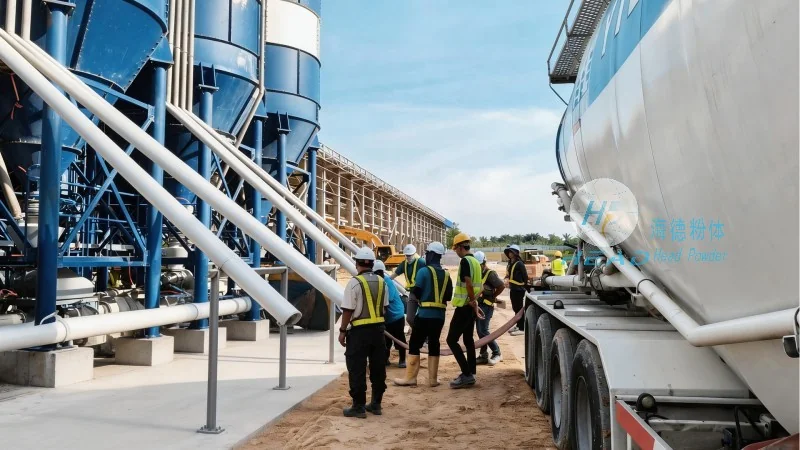
A coal ash particle pneumatic conveying system comprises several interrelated components that work together to facilitate the movement of coal ash from the source to the destination. Each component is engineered to handle the unique physical and chemical properties of coal ash, such as particle size, density, and abrasiveness. The following sections outline the primary components and their roles in the system.
The material feed mechanism is the initial component responsible for introducing coal ash particles into the conveying line. This system typically includes hoppers, feeders, or other feeding devices that ensure a consistent and controlled flow of coal ash. For coal ash, which can vary significantly in size and density, a well-designed feed system is crucial to prevent blockages and maintain uniform particle distribution. The feed mechanism may also incorporate features like vibration or screw feeders to handle different ash characteristics effectively.
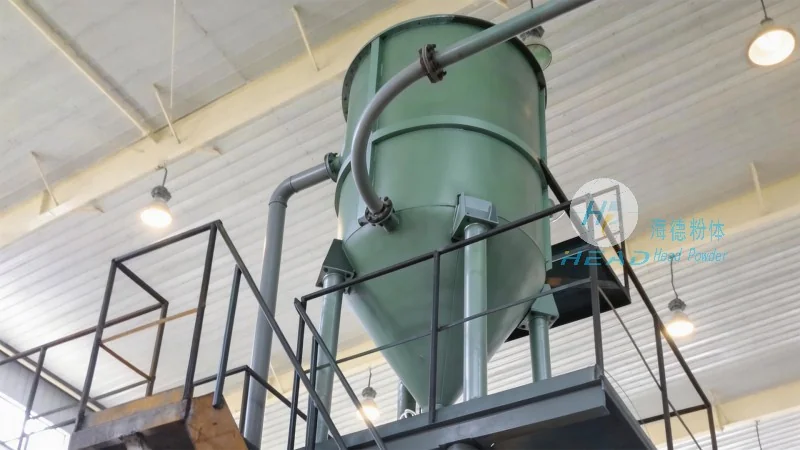
The conveying pipeline serves as the main pathway for transporting coal ash particles. These pipelines are constructed from materials like stainless steel or high-density polyethylene, selected for their resistance to corrosion and wear from the abrasive coal ash particles. The pipeline diameter and length are carefully determined based on the particle size distribution, flow rate requirements, and system pressure. Proper pipeline sizing is essential to maintain adequate air velocity, preventing particle deposition or clogging while ensuring efficient transport.
The air supply and blower unit generates the necessary airflow to move the coal ash particles through the pipeline. This system includes a blower or fan that provides the pressure and volume of air required to create the conveying velocity. The choice of blower type—whether positive displacement or centrifugal—depends on factors such as system pressure needs and the specific characteristics of the coal ash. The blower unit must be capable of handling the air volume needed to transport the coal ash efficiently while maintaining energy efficiency and minimizing operational costs.
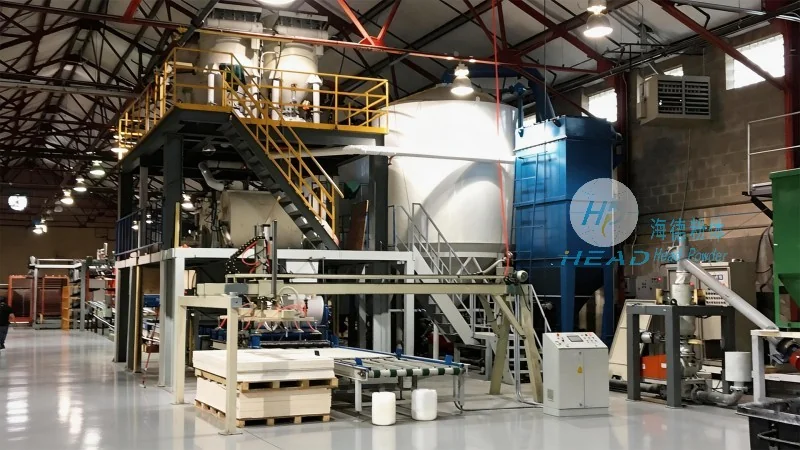
As coal ash particles are conveyed, they may generate dust and fine particles that need to be separated from the air stream. The dust separation and collection component typically includes a cyclone separator or other filtration equipment. This system captures the fine coal ash particles and returns them to the conveying line or to a collection hopper, while allowing the clean air to be discharged or recirculated. Effective dust separation is vital for maintaining air quality, preventing environmental contamination, and protecting downstream equipment from particle buildup.
Control and monitoring systems are integral to managing the operation of the coal ash particle pneumatic conveying system. These systems may include sensors, controllers, and automation equipment that monitor parameters such as pressure, flow rate, and temperature. By providing real-time data and feedback, these systems enable operators to adjust the conveying process as needed, ensuring optimal performance and preventing potential issues like overloading or system failure. Advanced control systems can also enhance energy efficiency and reduce long-term operational costs.
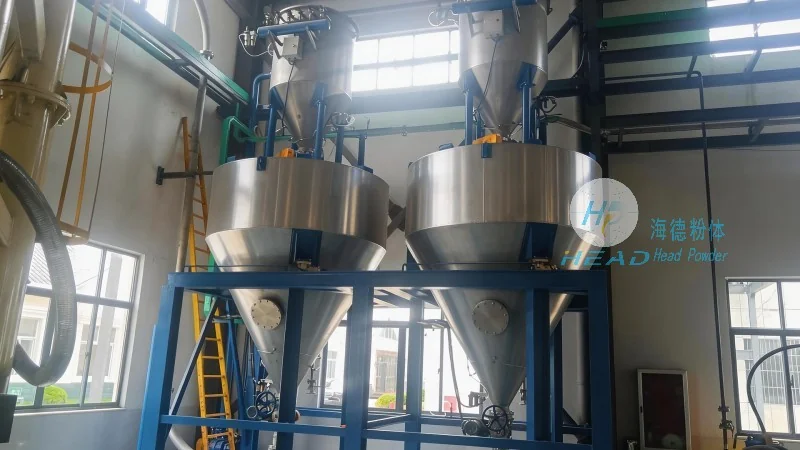
Finally, safety and maintenance components are essential to the overall coal ash particle pneumatic conveying system. These may include pressure relief valves, check valves, and maintenance access points that allow for regular inspections and repairs. Proper safety measures are critical when handling coal ash, which can pose health and environmental risks if not managed correctly. Regular maintenance of all components is essential to ensure the long-term reliability and efficiency of the system.
Shandong HeadPowder Engineering Co., Ltd., a leading manufacturer in the field, specializes in designing and supplying comprehensive coal ash particle pneumatic conveying systems. With years of experience and a commitment to quality, the company provides tailored solutions that meet the specific needs of industrial clients. Based in Shandong, China, HeadPowder Engineering leverages advanced engineering principles and robust manufacturing processes to deliver reliable and efficient coal ash conveying systems that enhance operational performance and reduce costs for its customers.

 Shandong Headpowder Engineering Co., Ltd.
 156-6277-7102(Manager Zhang)
  0531-83386006
  Zhangqiu District, Jinan City, Shandong Province, China
telephone
WeChatconsult
top