With more than 10‑year industry experience, Shandong Headpowder delivers full‑service pneumatic‑conveying systems and blowers, undertaking nationwide turn‑key powder‑handling projects.
When it comes to industrial material handling, especially for chemical compounds like sodium nitrate, understanding the proper methods and design principles is crucial for efficiency, safety, and operational reliability. This article explores the concept of sodium nitrate material handling and delves into the core design principles that underpin effective systems for transporting and managing this important chemical.
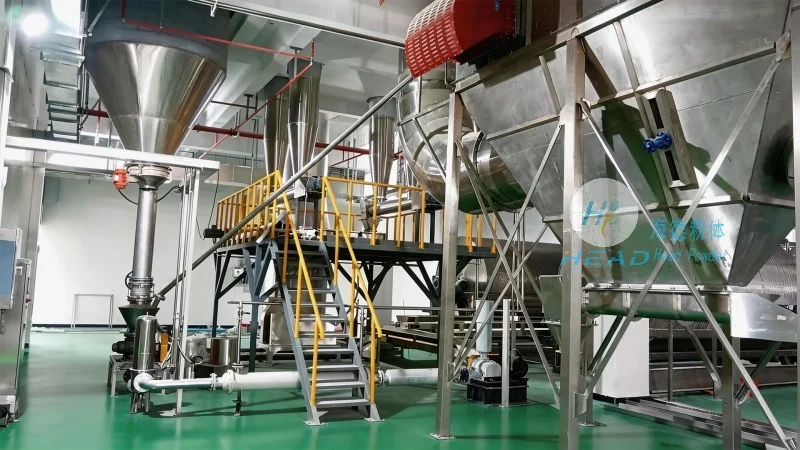
Sodium nitrate, commonly known as Chile saltpeter, is a white crystalline solid widely used in agriculture as a fertilizer, in the food industry as a preservative, and in various industrial applications including explosives and glass manufacturing. Due to its properties and the need for precise handling, specialized equipment and systems are required to ensure safe and efficient material handling. The process of sodium nitrate material handling involves the movement of bulk material from storage to processing or distribution points, often through conveyor systems, silos, and other bulk handling equipment.
The design of sodium nitrate material handling systems is guided by several key principles that ensure optimal performance, safety, and durability. These principles are tailored to the unique characteristics of sodium nitrate, such as its granular or crystalline form, potential for dust generation, and the need for controlled temperature and moisture conditions. A well-designed system must address factors like material flow, equipment compatibility, environmental control, and operational safety to prevent issues like caking, segregation, or contamination.

Several critical design elements are essential for effective sodium nitrate material handling. First, the choice of equipment is paramount. For example, belt conveyors are commonly used for horizontal and slight incline transport due to their ability to handle bulk materials with minimal product degradation. Screw conveyors or augers are suitable for vertical or inclined transport, providing consistent flow and preventing material buildup. Additionally, silos and hoppers are used for storage and feeding, with designs that minimize the risk of caking and ensure smooth discharge.
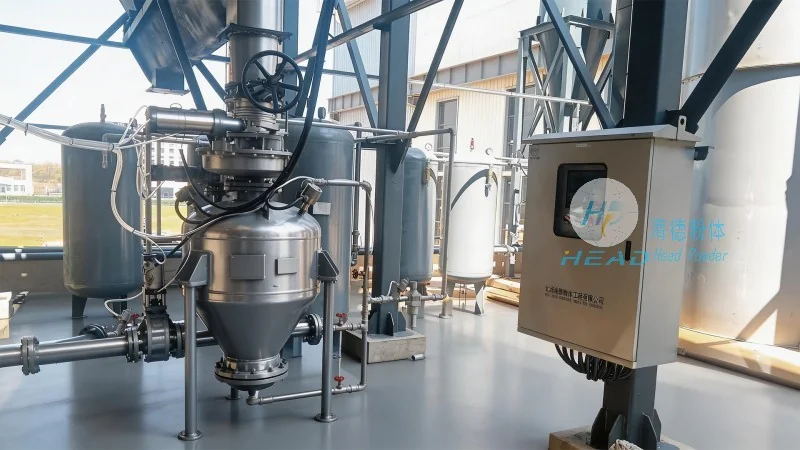
Second, material flow control is a key design consideration. Properly designed chutes and transition points help maintain the flow of sodium nitrate, preventing blockages and ensuring uniform material movement. The angle of inclination and the surface texture of conveyor belts or screw conveyors are optimized to reduce friction and prevent material degradation. For instance, smooth, non-stick surfaces on conveyor belts can minimize the risk of product sticking, which is particularly important for sodium nitrate to avoid caking and maintain material quality.
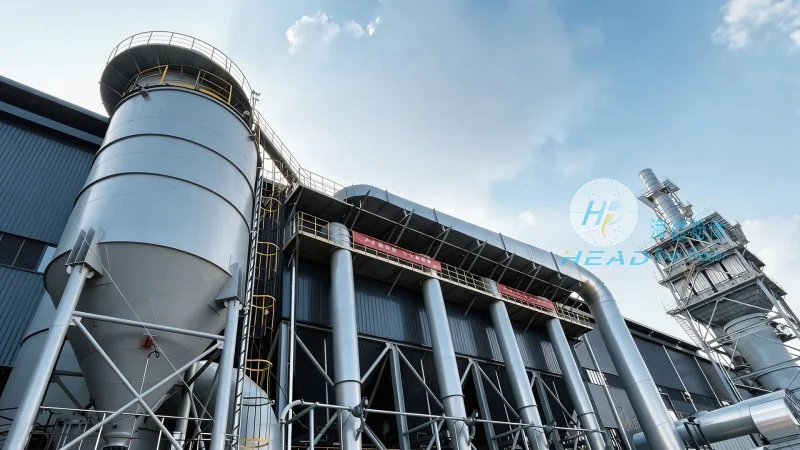
Safety is a top priority in sodium nitrate material handling systems. The design must incorporate measures to prevent dust explosions, which can occur due to the fine particle size of sodium nitrate. This includes using explosion-proof equipment, proper ventilation systems, and dust collection mechanisms. Additionally, the system must comply with relevant safety standards and regulations, such as those from OSHA (Occupational Safety and Health Administration) or local authorities, to ensure the protection of personnel and the environment.
Efficient operation and regular maintenance are integral to the long-term performance of sodium nitrate material handling systems. The design should allow for easy access to components for cleaning and maintenance, reducing downtime and ensuring consistent performance. Materials used in the construction of equipment, such as stainless steel or corrosion-resistant alloys, are chosen to withstand the chemical properties of sodium nitrate and prevent degradation over time. Regular inspections and maintenance schedules help identify and address issues before they lead to system failures or safety hazards.

 Shandong Headpowder Engineering Co., Ltd.
 156-6277-7102(Manager Zhang)
  0531-83386006
  Zhangqiu District, Jinan City, Shandong Province, China
telephone
WeChatconsult
top