With more than 10‑year industry experience, Shandong Headpowder delivers full‑service pneumatic‑conveying systems and blowers, undertaking nationwide turn‑key powder‑handling projects.
Foam plastic pneumatic conveying systems are integral to modern material handling operations, particularly in industries dealing with lightweight, low-density materials like expanded polystyrene or other foam-based products. Understanding the core components of such systems is crucial for optimizing performance, ensuring efficiency, and maintaining reliability in material transport processes. This article explores the essential elements that constitute a typical foam plastic pneumatic conveying setup, providing insights into how each component contributes to the overall functionality and effectiveness of the system.
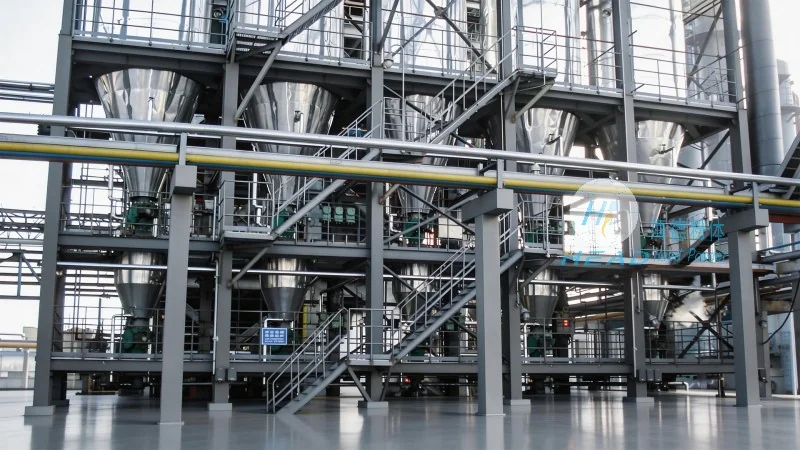
A foam plastic pneumatic conveying system typically consists of several interconnected components, each playing a vital role in the material transport process. The primary components include the material feed hopper, the air supply system, the conveying line (often equipped with a venturi or other air acceleration devices), and the receiving hopper or storage container. Each of these components is designed to work in harmony to ensure smooth and efficient movement of foam plastic particles through the system.
The material feed hopper is the initial component where foam plastic material is loaded into the system. It is typically a hopper or a bin designed to hold the bulk material and feed it into the conveying line at a controlled rate. The design of the hopper often includes a gate or valve mechanism to regulate the flow of material, preventing overloading or underfeeding of the system. For foam plastic, which can be lightweight and prone to bridging or segregation, the hopper may be equipped with agitators or vibrators to ensure consistent material flow and prevent material buildup. The feed hopper is critical as it sets the initial stage for the conveying process, ensuring that the material is introduced into the system in a uniform manner, which directly impacts the efficiency of the entire conveying operation.
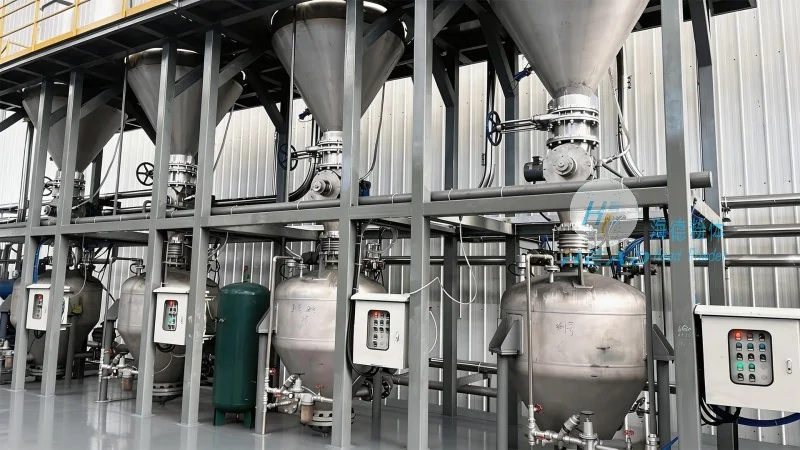
The air supply system is another fundamental component of foam plastic pneumatic conveying. It provides the necessary air pressure and volume to move the material through the conveying line. This system typically includes an air compressor, a filter to remove contaminants from the air, and a regulator to control the air pressure. The choice of air compressor depends on the specific requirements of the system, such as the required air volume and pressure, as well as the type of foam plastic being conveyed. For lightweight foam materials, a lower air pressure may be sufficient, but the air flow rate must be optimized to prevent material degradation or loss. The air supply system is essential for creating the pressure differential that drives the material through the conveying line, and its performance directly affects the system's conveying capacity and efficiency.
The conveying line is the main pathway through which the foam plastic material is transported. It is usually made of flexible or rigid tubing, depending on the system design and the distance over which the material needs to be conveyed. The line is connected to the feed hopper and the receiving hopper, forming a closed loop or a straight line depending on the application. Within the conveying line, air acceleration devices such as venturis or eductors are often used to increase the velocity of the air, thereby enhancing the conveying capacity. Venturis work by creating a pressure drop as air passes through a constricted section, which draws the material into the air stream and propels it forward. For foam plastic, which has low density and can be easily entrained by air, venturis are particularly effective in ensuring efficient material transport. The design of the conveying line, including its diameter and length, is carefully selected to minimize pressure losses and maintain the required air velocity for optimal conveying performance.
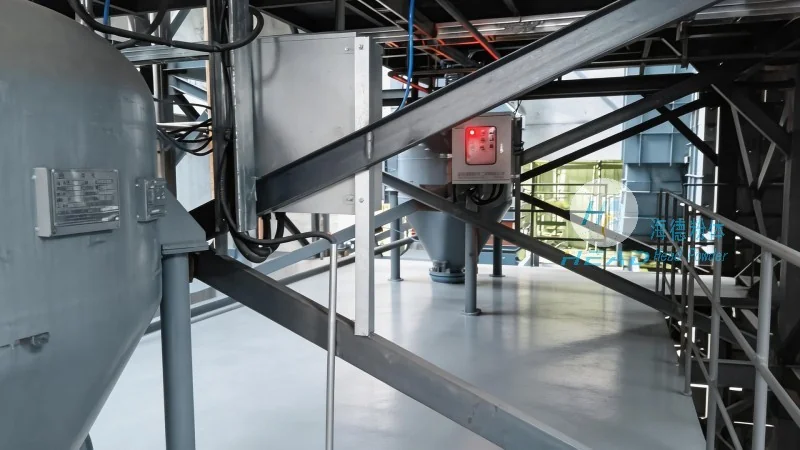
The receiving hopper is the final component where the conveyed foam plastic material is deposited. It is designed to collect the material from the conveying line and store it until it is further processed or packaged. The hopper may include a discharge valve or outlet to allow the material to be released in a controlled manner. For foam plastic, which can be lightweight and may require gentle handling to avoid damage, the receiving hopper is often equipped with a gentle discharge mechanism, such as a rotary valve or a slide gate, to prevent material degradation or loss. The design of the receiving hopper also considers the material's flow characteristics, ensuring that it can be discharged smoothly without causing blockages or segregation. The receiving hopper is crucial for completing the material transport process, as it provides a stable and controlled environment for the material after it has been conveyed from the source.
Modern foam plastic pneumatic conveying systems often incorporate control and monitoring systems to ensure optimal operation and maintenance. These systems may include sensors to monitor air pressure, flow rate, and material level in the hoppers. They can also include control panels that allow operators to adjust the system parameters, such as air pressure or feed rate, in real-time. The control system helps in maintaining consistent conveying performance, preventing system failures, and optimizing energy usage. For example, if the material level in the feed hopper is low, the control system can automatically adjust the feed rate to maintain a steady flow. Similarly, if the air pressure drops, the system can alert the operator to check for blockages or other issues. These control and monitoring systems enhance the reliability and efficiency of the foam plastic pneumatic conveying system, making it a more robust and user-friendly solution for material handling needs.

 Shandong Headpowder Engineering Co., Ltd.
 156-6277-7102(Manager Zhang)
  0531-83386006
  Zhangqiu District, Jinan City, Shandong Province, China
telephone
WeChatconsult
top