With more than 10‑year industry experience, Shandong Headpowder delivers full‑service pneumatic‑conveying systems and blowers, undertaking nationwide turn‑key powder‑handling projects.
At Shandong HeadPowder Engineering Co., Ltd., we specialize in the development and production of advanced pneumatic conveying equipment specifically designed for the efficient handling of ash and slag materials. Our systems are engineered to transport these industrial byproducts from their generation point to processing or disposal facilities, ensuring reliable operation and minimizing operational interruptions. With a focus on durability and performance, our solutions cater to the unique challenges posed by ash and slag, such as their abrasive nature and varying particle sizes.
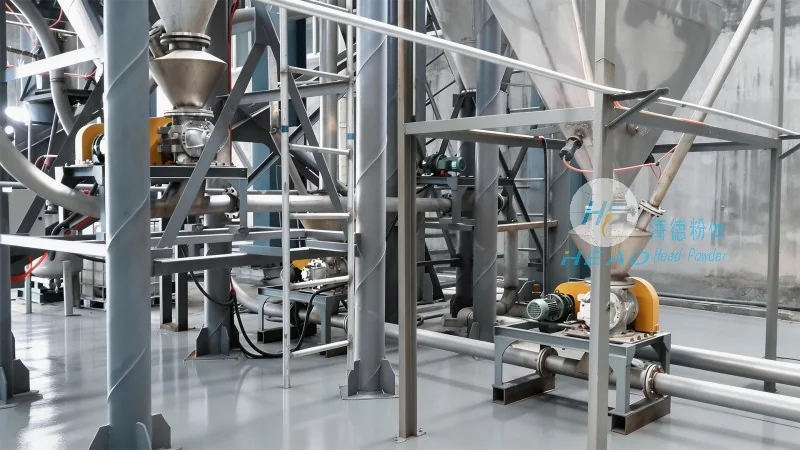
Pneumatic conveying operates on the fundamental principle of using air or gas as the conveying medium to transport bulk materials through a pipeline. For ash and slag, this method is particularly effective because it eliminates the need for mechanical components that come into direct contact with the abrasive material, reducing wear and maintenance requirements. The process typically involves creating a flow of air within the pipeline that either lifts and moves the material particles (in positive pressure systems) or draws them through the pipeline (in negative pressure systems). The air flow can be generated by a blower or vacuum pump, and the system can be configured as either a dense phase or dilute phase conveyor, depending on the material's properties and the required conveying distance.
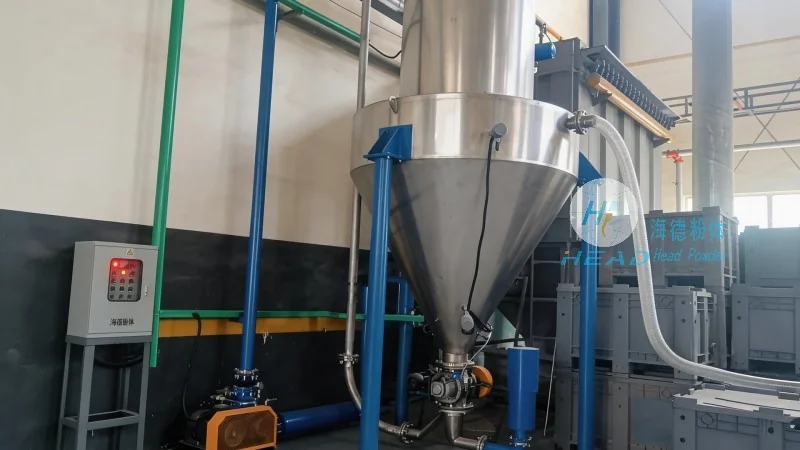
The pneumatic conveying system for ash and slag consists of several critical components, each contributing to the overall efficiency and reliability of the operation. The primary components include a material feed hopper, which stores and feeds the ash or slag into the system; a conveying pipeline, which transports the material and air mixture; a pressure or vacuum source, such as a rotary lobe blower or vacuum pump, that generates the air flow; and a discharge unit, which collects the material at the destination. The feed hopper is equipped with a valve or gate to control the material flow, ensuring a consistent feed rate. The pipeline is typically made of corrosion-resistant materials like stainless steel or special alloys to withstand the abrasive nature of ash and slag. The pressure source is selected based on the required pressure and flow rate, with options ranging from low-pressure blowers for short-distance conveying to high-pressure systems for longer distances. The discharge unit may include a cyclone separator or a rotary valve to separate the material from the air stream and deliver it to the storage or disposal site.
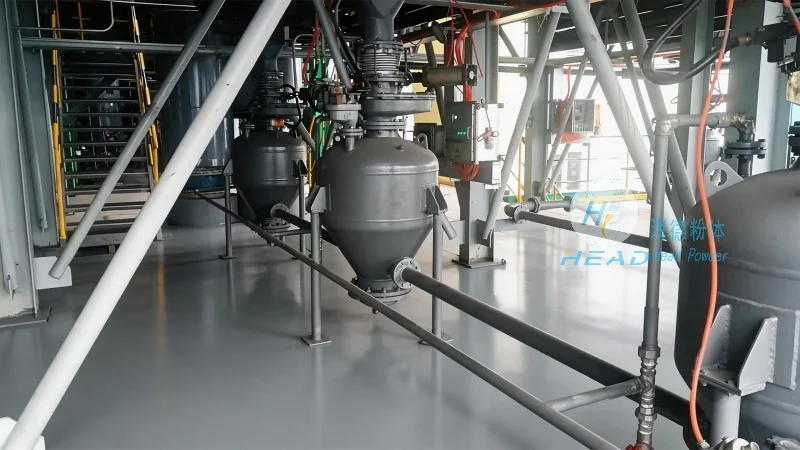
Compared to conventional mechanical conveying systems like screw conveyors or belt conveyors, pneumatic conveying offers several distinct advantages when handling ash and slag. One of the most significant benefits is the reduction in equipment wear and tear. Since the material does not come into direct contact with moving parts, the risk of abrasion and component failure is minimized, leading to lower maintenance costs and longer equipment life. Additionally, pneumatic systems can transport materials over longer distances without the need for intermediate transfer points, which simplifies the overall system layout and reduces the number of potential failure points. Another advantage is the ability to handle materials with a wide range of particle sizes and moisture content. Unlike mechanical systems that may struggle with sticky or wet materials, pneumatic conveying can effectively transport these materials by adjusting the air flow and system pressure. Furthermore, the enclosed pipeline design helps to contain dust and prevent environmental contamination, which is crucial for compliance with industrial regulations.
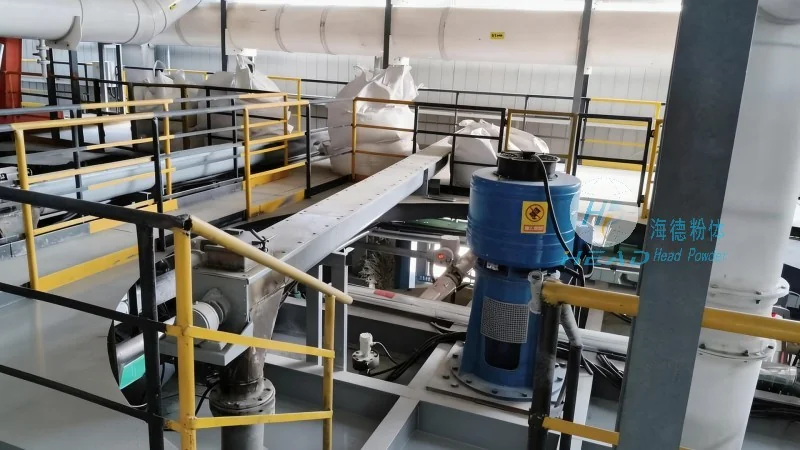
Our pneumatic conveying equipment is widely utilized in various industrial sectors, including power generation, steel manufacturing, and waste management. In power plants, the system is commonly integrated with the boiler's ash removal system to transport fly ash and bottom ash from the boiler to storage silos or disposal sites. The design of the system is tailored to the specific characteristics of the ash, such as its particle size distribution, moisture content, and density. For example, fly ash, which is typically fine and dry, may be conveyed using a dilute phase system with a high air-to-material ratio, while bottom ash, which is larger and more abrasive, may require a dense phase system with a lower air-to-material ratio to ensure efficient transport. The conveying distance and elevation changes also influence the system design, as these factors affect the required pressure and power consumption. Engineers at HeadPowder conduct thorough analyses of the material properties and operational requirements to design a system that meets the client's specific needs and ensures optimal performance.

 Shandong Headpowder Engineering Co., Ltd.
 156-6277-7102(Manager Zhang)
  0531-83386006
  Zhangqiu District, Jinan City, Shandong Province, China
telephone
WeChatconsult
top