With more than 10‑year industry experience, Shandong Headpowder delivers full‑service pneumatic‑conveying systems and blowers, undertaking nationwide turn‑key powder‑handling projects.
The Polyvinyl Alcohol Butyral (PVB) pneumatic conveying system is a specialized industrial solution designed for the efficient and safe transportation of PVB materials. As a key component in various manufacturing processes, this system leverages pneumatic technology to move PVB powders or granules from one location to another within a production facility. The system is engineered to ensure minimal material degradation, maintain consistent flow rates, and enhance operational safety, making it an essential tool for companies dealing with PVB in bulk quantities.
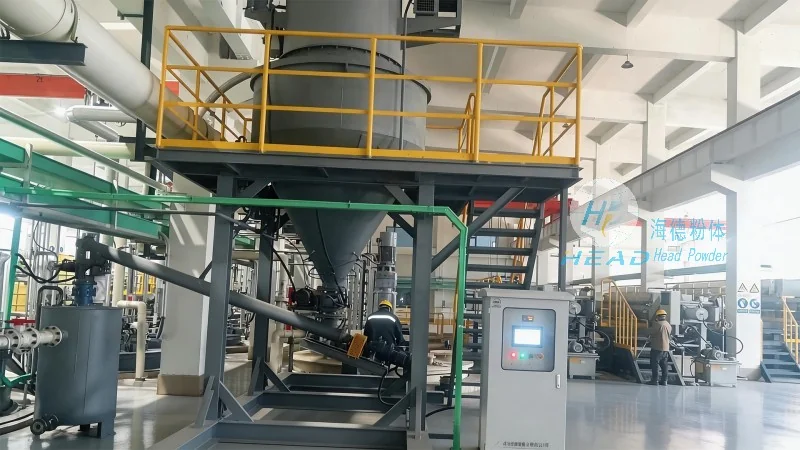
The PVB pneumatic conveying system consists of several critical components that work in tandem to achieve effective material transport. These include the hopper or feed hopper, which stores and feeds the PVB material into the system; the air compressor or blower, which generates the necessary air pressure to move the material; the pipeline system, which carries the PVB and air mixture; and the receiver or discharge hopper, where the material is deposited. Additionally, the system may incorporate components such as filters, cyclones, and control valves to regulate the flow and ensure clean operation. Each component is carefully selected and designed to handle the specific properties of PVB, including its particle size, moisture content, and potential for dust generation.
The operation of the PVB pneumatic conveying system is based on the principle of air-assisted material transport. The process begins with the material being fed from the hopper into the pipeline. Simultaneously, the air compressor supplies compressed air into the pipeline. As the air flows through the system, it creates a low-pressure zone that draws the PVB particles into the air stream, forming a mixture of air and material. This mixture is then transported through the pipeline to the receiver. The air velocity within the pipeline is carefully controlled to ensure that the PVB particles are carried without causing excessive wear or degradation. At the receiver, the air and material mixture is separated, typically using a cyclone or filter, where the PVB material is collected and the air is either recirculated or vented. This separation process is crucial for maintaining the purity of the PVB material and preventing contamination.
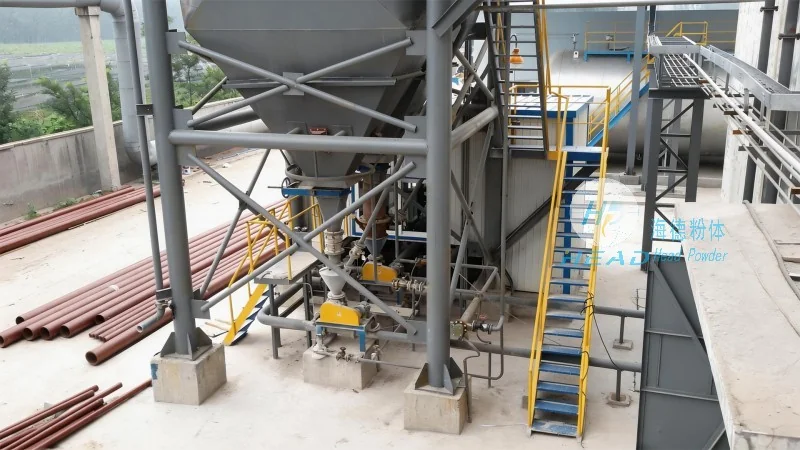
Implementing a PVB pneumatic conveying system offers several advantages over traditional mechanical conveying methods. First, it eliminates the need for mechanical components such as conveyors or belts, reducing the risk of material contamination and mechanical failure. Second, the system allows for flexible and compact layout designs, as the pipelines can be installed in various configurations to suit the specific needs of the production facility. Third, it provides a high degree of control over the material flow rate and pressure, enabling precise regulation of the PVB transport process. Fourth, the system is capable of handling PVB materials with varying properties, including different particle sizes and moisture levels, without compromising performance. Finally, the pneumatic conveying system enhances operational safety by minimizing the exposure of personnel to the PVB material and reducing the risk of dust explosions through proper air management and filtration.
PVB pneumatic conveying systems are widely used in various industries that rely on PVB as a raw material. These include the automotive industry, where PVB is used in safety glass and other automotive components; the construction industry, for applications such as window glazing and architectural glass; and the electronics industry, where PVB is used in protective coatings and adhesives. In each of these applications, the PVB material needs to be transported efficiently and safely from storage to processing equipment. The pneumatic conveying system provides a reliable solution for these needs, ensuring that the PVB material is delivered in a clean and consistent manner. Additionally, the system is suitable for industries that require high-purity PVB, as the filtration and separation components help maintain the quality of the material throughout the transport process.
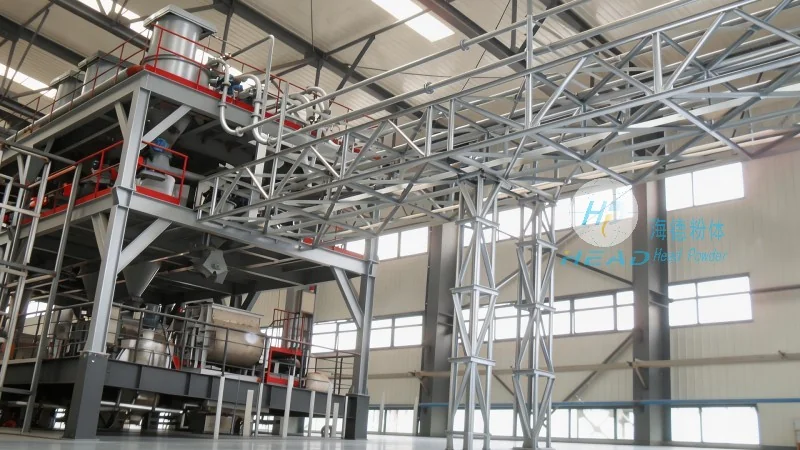
Proper installation and regular maintenance are essential for the optimal performance and longevity of a PVB pneumatic conveying system. During installation, it is important to ensure that all components are properly aligned and connected to prevent air leaks or material blockages. The pipeline system should be designed to minimize bends and changes in direction, as excessive bends can cause increased pressure drop and potential material buildup. Regular maintenance includes checking the air compressor for proper operation, inspecting the filters and cyclones for clogging, and cleaning the system to remove any accumulated PVB material. Additionally, the system should be inspected for wear and tear on components such as valves and seals, and replaced as needed to prevent system failures. By following proper installation and maintenance procedures, companies can ensure that their PVB pneumatic conveying system operates efficiently and reliably for years to come.
The Polyvinyl Alcohol Butyral pneumatic conveying system is a critical technology for industries that handle PVB materials in bulk. By leveraging pneumatic principles, this system provides an efficient, safe, and flexible solution for transporting PVB from one location to another. The system's components are specifically designed to handle the unique properties of PVB, ensuring minimal degradation and consistent performance. Companies such as Shandong HeadPowder Engineering Co., Ltd. specialize in the design, manufacturing, and installation of these systems, providing tailored solutions to meet the specific needs of their clients. With proper installation and maintenance, a PVB pneumatic conveying system can significantly enhance operational efficiency and product quality in PVB-related manufacturing processes.

 Shandong Headpowder Engineering Co., Ltd.
 156-6277-7102(Manager Zhang)
  0531-83386006
  Zhangqiu District, Jinan City, Shandong Province, China
telephone
WeChatconsult
top