With more than 10‑year industry experience, Shandong Headpowder delivers full‑service pneumatic‑conveying systems and blowers, undertaking nationwide turn‑key powder‑handling projects.
Buckwheat hull pneumatic conveying equipment is a specialized system designed to transport buckwheat hulls efficiently and safely. This technology has become increasingly important in the processing industries, particularly in the food and agricultural sectors, where the handling of lightweight, abrasive materials like buckwheat hulls requires advanced engineering solutions. The equipment operates by using compressed air to move the hulls through a network of pipes, ensuring minimal damage to the material and optimal operational performance.
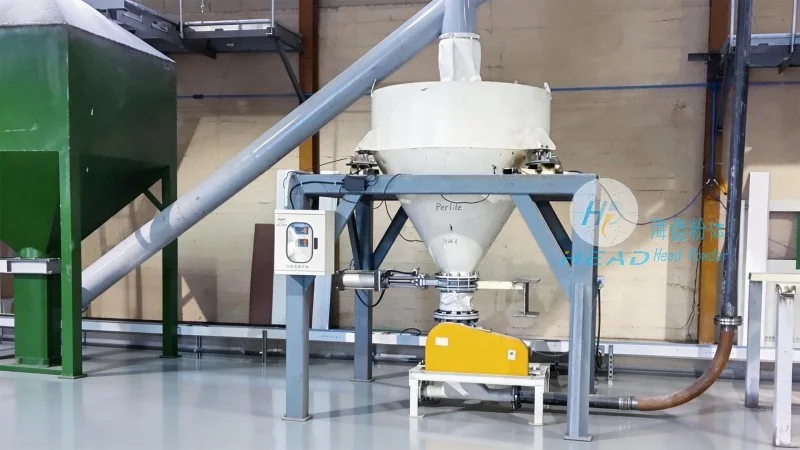
Pneumatic conveying systems are widely used for material handling due to their ability to transport bulk materials over long distances without the need for mechanical components like belts or chains. In the case of buckwheat hulls, these lightweight and often abrasive particles present unique challenges that conventional systems may struggle to address. The buckwheat hull pneumatic conveying equipment is specifically engineered to overcome these challenges by integrating features such as high-velocity air flow, robust material handling components, and precise control mechanisms. This ensures that the hulls are conveyed with minimal degradation and maximum efficiency, making it an essential tool for manufacturers in the buckwheat processing industry.
The buckwheat hull pneumatic conveying system consists of several critical components that work in tandem to achieve effective material transport. The primary components include the hopper or feeder, which stores and feeds the buckwheat hulls into the system; the air compressor or blower, which generates the necessary pressure to move the material; the conveying line, typically made of durable materials like stainless steel or plastic, to withstand the abrasive nature of the hulls; the separation or collection unit, which separates the conveyed hulls from the air stream; and the control panel, which monitors and regulates the system's operation. Each component is carefully selected and designed to ensure compatibility with the specific characteristics of buckwheat hulls, such as their light weight, irregular shape, and potential for dust generation.
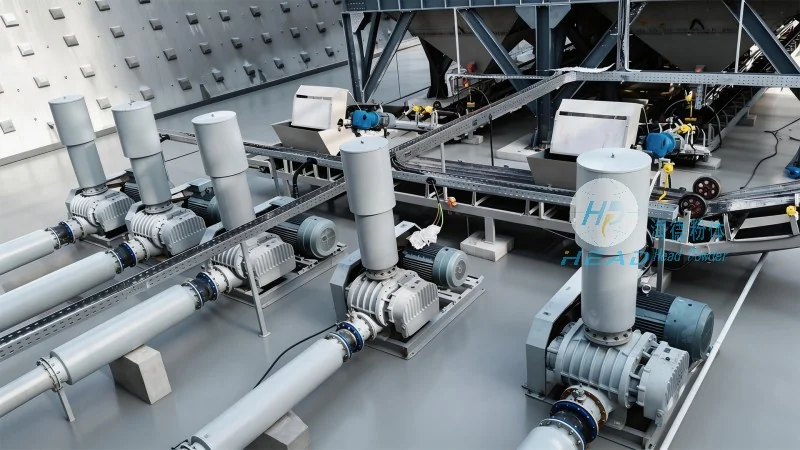
The design of buckwheat hull pneumatic conveying equipment is guided by several key principles aimed at optimizing performance and durability. One of the fundamental principles is the use of high-velocity air flow, which is essential for moving lightweight particles efficiently. The system typically operates at air velocities ranging from 20 to 30 meters per second, depending on the specific application and material characteristics. Another critical design principle is the selection of appropriate materials for the conveying line and components. Stainless steel is commonly used for the pipes and fittings due to its resistance to corrosion and abrasion, while plastic components may be employed in areas where lightweight materials are handled to reduce system weight and improve flexibility. The system also incorporates features such as air filtration and dust collection to maintain air quality and prevent contamination of the processed hulls. Technical specifications of the equipment, such as the maximum conveying capacity, pressure requirements, and power consumption, are tailored to meet the specific needs of the buckwheat processing facility, ensuring that the system operates within optimal parameters.
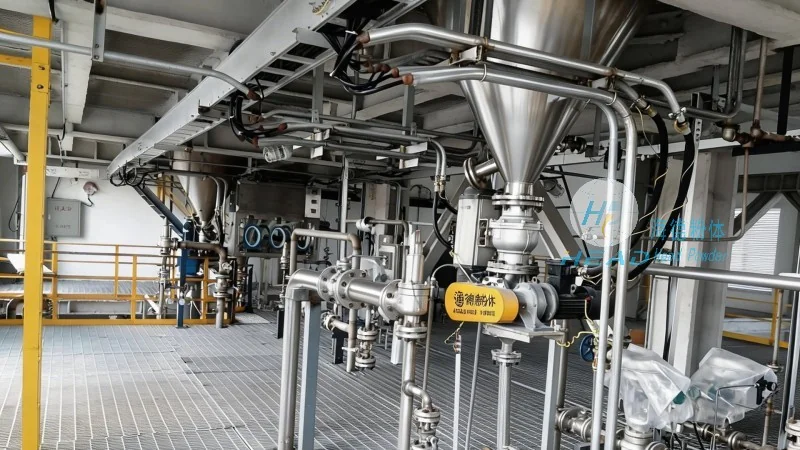
Buckwheat hull pneumatic conveying equipment is widely used in various applications within the buckwheat processing industry. One common application is the transport of hulls from storage silos to processing lines, where they are used as a raw material for products like buckwheat flour or hull-based products. The equipment is also utilized in the separation of hulls from other byproducts, such as buckwheat seeds or bran, ensuring that the final product meets quality standards. Operational advantages of this system include high efficiency in material transport, reduced labor costs compared to manual handling, and minimal material degradation due to the absence of mechanical contact. Additionally, the system is designed to be clean and hygienic, which is crucial in food processing applications, as it prevents cross-contamination and maintains the purity of the final product. The flexibility of the pneumatic conveying system allows for easy integration into existing processing lines, making it a versatile solution for various buckwheat processing facilities.
Shandong HeadPowder Engineering Co., Ltd., commonly known as HeadPowder, is a leading manufacturer of specialized pneumatic conveying equipment, including systems for handling buckwheat hulls. The company is headquartered in Shandong, China, and has established itself as a trusted provider of high-quality material handling solutions for the food and agricultural industries. With years of experience in the field, HeadPowder has developed a deep understanding of the unique challenges associated with processing lightweight and abrasive materials like buckwheat hulls. The company's team of engineers and technicians is dedicated to designing and manufacturing equipment that meets the highest standards of performance, durability, and efficiency. HeadPowder's commitment to quality and customer satisfaction has made it a preferred choice for many buckwheat processing facilities worldwide. The company's address is located in Shandong, China, and it continues to innovate and improve its products to meet the evolving needs of the industry.

 Shandong Headpowder Engineering Co., Ltd.
 156-6277-7102(Manager Zhang)
  0531-83386006
  Zhangqiu District, Jinan City, Shandong Province, China
telephone
WeChatconsult
top