With more than 10‑year industry experience, Shandong Headpowder delivers full‑service pneumatic‑conveying systems and blowers, undertaking nationwide turn‑key powder‑handling projects.
HeadPowder, a leading provider of industrial solutions, specializes in eco-friendly pneumatic conveying systems. These systems are designed to efficiently transport bulk materials while minimizing environmental impact and operational costs. This article explores the core concepts of such equipment and the fundamental design principles that underpin their functionality.
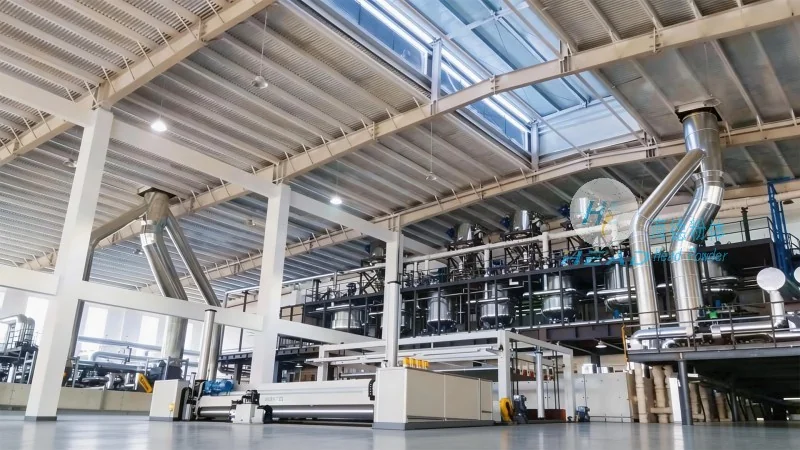
Eco-friendly pneumatic conveying systems represent a modern approach to material handling, particularly for industries dealing with powders, granules, and other bulk solids. Unlike traditional methods that may rely on mechanical components like belts or buckets, pneumatic systems utilize air or gas to move materials through a pipeline network. This method offers several advantages, including reduced energy consumption, lower maintenance requirements, and enhanced safety. The "eco-friendly" aspect of these systems stems from their ability to operate with minimal environmental footprint, often using energy-efficient motors and sustainable material handling processes.
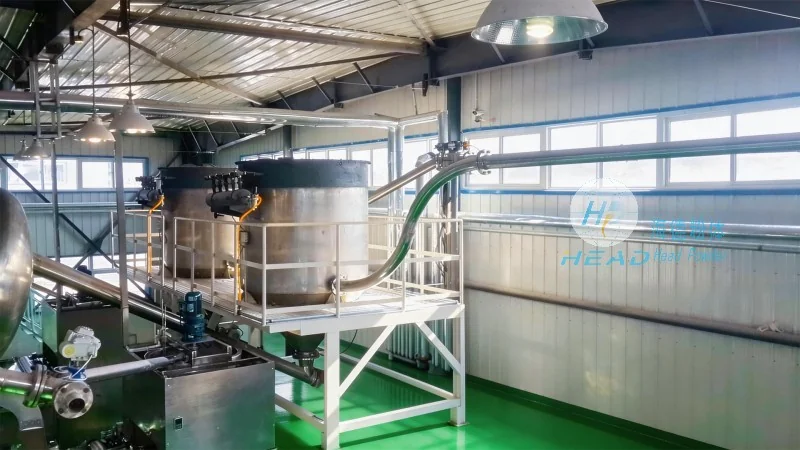
The design of a pneumatic conveying system is governed by several critical principles that ensure optimal performance and efficiency. These principles include the selection of appropriate air velocity, the configuration of the pipeline layout, and the use of specialized components tailored to the material being conveyed. For instance, the air velocity must be sufficient to overcome the material's resistance to flow but not so high as to cause excessive wear on the system components or energy waste. The pipeline design, whether it involves positive pressure, negative pressure, or a combination of both, directly impacts the system's effectiveness and operational costs. Additionally, the choice of materials for the pipeline and components is crucial, as they must withstand the abrasive nature of the conveyed materials and resist corrosion over time.
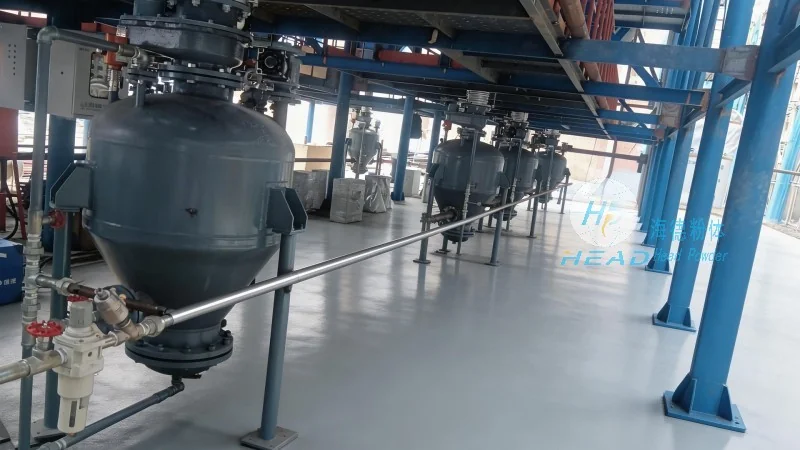
A typical eco-friendly pneumatic conveying system consists of several key components, each playing a vital role in the material transport process. These components include the air source (such as a blower or compressor), the material feed hopper, the conveying pipeline, and the discharge device. The air source provides the necessary pressure to move the material through the pipeline. The feed hopper ensures a consistent flow of material into the system, preventing blockages and maintaining steady operation. The pipeline network connects the feed and discharge points, with bends and valves strategically placed to control the flow direction and pressure. The discharge device, often a rotary valve or a venturi, regulates the release of material at the destination, ensuring smooth and controlled output.
Eco-friendly pneumatic conveying systems offer numerous benefits across various industries. They are particularly suitable for applications involving hazardous or sensitive materials, as the enclosed pipeline system minimizes exposure risks. The systems also excel in environments where dust control is critical, such as in pharmaceutical or food processing industries. Furthermore, their ability to handle a wide range of materials, from fine powders to coarse granules, makes them versatile solutions for diverse operational needs. The energy efficiency of these systems contributes to lower operational costs over time, while their compact design allows for installation in limited spaces, making them ideal for retrofitting existing facilities.
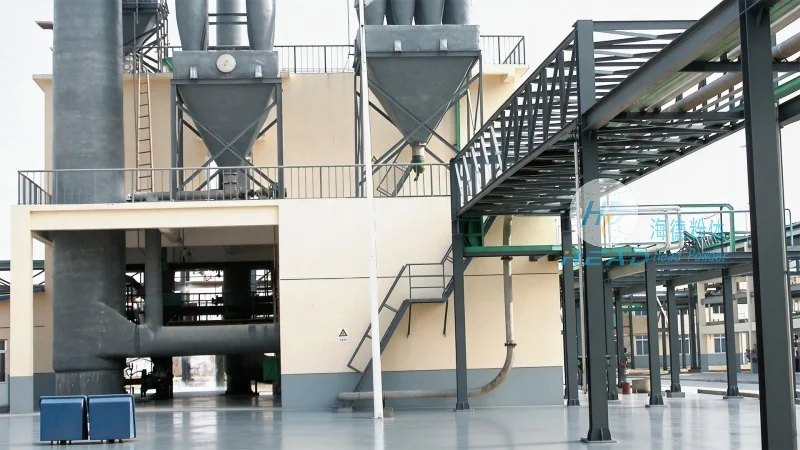
HeadPowder Engineering Co., Ltd., based in Shandong, China, is committed to providing innovative and sustainable solutions for material handling challenges. Our eco-friendly pneumatic conveying systems are designed with the latest technology and engineering principles to deliver reliable, efficient, and environmentally responsible performance. By adhering to the core design principles outlined above, these systems not only enhance operational efficiency but also contribute to a greener industrial future. For industries seeking to optimize their material transport processes while minimizing environmental impact, eco-friendly pneumatic conveying equipment from HeadPowder is a superior choice.

 Shandong Headpowder Engineering Co., Ltd.
 156-6277-7102(Manager Zhang)
  0531-83386006
  Zhangqiu District, Jinan City, Shandong Province, China
telephone
WeChatconsult
top