With more than 10‑year industry experience, Shandong Headpowder delivers full‑service pneumatic‑conveying systems and blowers, undertaking nationwide turn‑key powder‑handling projects.
Industrial alkali pneumatic conveying equipment is a specialized system used in various industrial applications to transport alkaline materials such as caustic soda, sodium hydroxide, or other chemical powders. These systems are crucial for industries that handle caustic substances, as they provide a safe, efficient, and reliable method of material handling. The design principles behind these equipment are tailored to meet the unique challenges posed by alkali materials, including their corrosive nature, dust generation, and the need for precise control during transport.
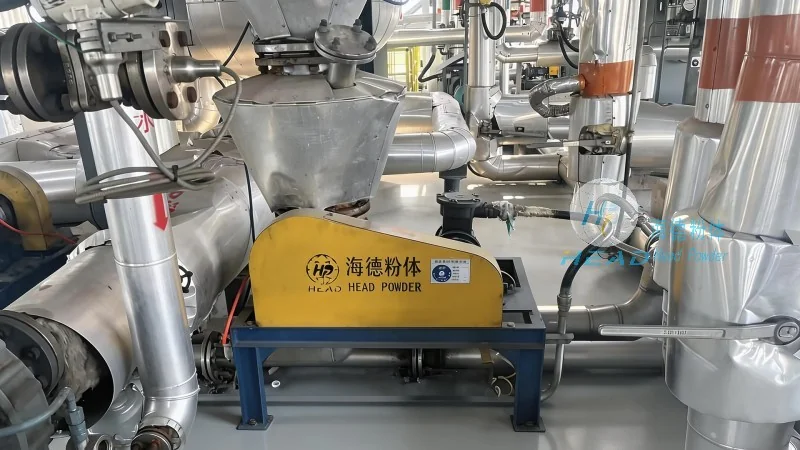
At the heart of industrial alkali pneumatic conveying equipment are several key components that work in tandem to ensure effective material transport. The primary components include a material feed hopper, a pneumatic conveying line, a control system, and a discharge unit. The feed hopper is designed to store and meter the alkali material, often equipped with a rotary valve or a star feeder to regulate the flow rate. This component is typically made from corrosion-resistant materials like stainless steel to withstand the chemical properties of the alkali substances.
The pneumatic conveying line is the main pathway for transporting the material, usually consisting of a pipeline system with appropriate fittings and valves. The line may include sections of flexible tubing or rigid piping, depending on the application and distance of transport. To move the material through the line, a blower or a positive displacement pump generates the necessary air pressure. This air pressure creates a flow that carries the alkali particles, ensuring they are conveyed efficiently without clogging or degradation.
The control system is integral to managing the operation of the pneumatic conveying equipment. It monitors parameters such as pressure, flow rate, and material level, allowing for real-time adjustments to maintain optimal performance. The system may include sensors and automation controls to prevent overloading or underflow, ensuring safety and efficiency. Additionally, the control system can integrate with other industrial processes, providing seamless integration into the overall production workflow.
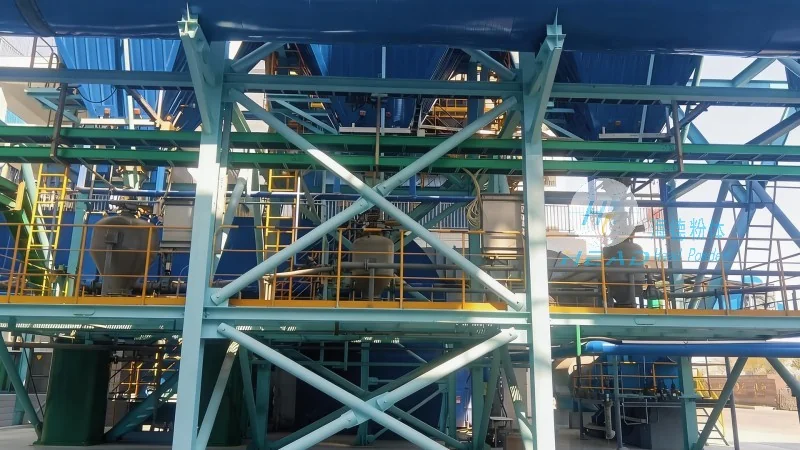
The discharge unit is responsible for releasing the alkali material from the conveying line into the target destination, such as a storage tank or a processing unit. This component is designed to handle the material gently, minimizing particle breakage and ensuring accurate delivery. The discharge unit may include a rotary valve or a slide gate to control the release rate, matching the receiving equipment's capacity and preventing spills or overfilling.
The design of industrial alkali pneumatic conveying equipment follows several critical principles to ensure durability, safety, and efficiency. One of the primary principles is corrosion resistance. Since alkali materials are highly corrosive, all components that come into contact with the material, including the hopper, pipeline, and valves, are constructed from materials like stainless steel, Hastelloy, or other corrosion-resistant alloys. This prevents degradation over time and maintains the integrity of the system.
Another key principle is the prevention of dust generation and explosion hazards. Alkali powders can create fine dust that poses a risk of explosion in confined spaces. Therefore, the design incorporates dust collection systems and explosion-proof features. The conveying line may be equipped with explosion relief valves or flame arrestors to mitigate the risk of fire or explosion. Additionally, the system may use inert gas or controlled air flow to reduce the risk of dust accumulation.
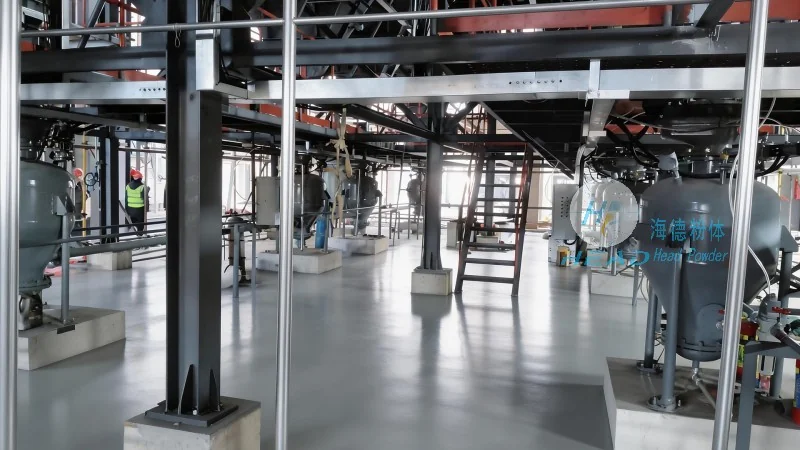
Precision and control are also central to the design. The equipment is engineered to handle fine powders without clogging or bridging, which can occur with cohesive or hygroscopic materials like caustic soda. The use of appropriate air velocity and pressure ensures that the material is transported smoothly through the line. The control system allows for precise regulation of the feed rate and discharge rate, ensuring that the receiving equipment operates at optimal capacity without overloading.
Energy efficiency is another important design consideration. Industrial alkali pneumatic conveying systems are designed to minimize energy consumption while maintaining high transport efficiency. This includes optimizing the blower size and air pressure to match the material's properties and transport distance. The use of efficient motors and variable frequency drives (VFDs) can further reduce energy costs and improve operational sustainability.
Industrial alkali pneumatic conveying equipment is widely used across various industries that rely on caustic materials in their production processes. The primary applications include chemical manufacturing, where caustic soda is used in the production of pulp and paper, textiles, and other chemical products. In the pharmaceutical industry, these systems are used to transport alkaline powders used in drug formulation and manufacturing. The food industry also utilizes such equipment for handling alkaline ingredients in food processing and packaging.
In the mining and mineral processing sector, alkali materials are used for pH adjustment and neutralization processes. Pneumatic conveying systems are employed to transport these materials to processing plants, ensuring safe and efficient handling. The construction industry may also use alkali-based materials for concrete and mortar, with pneumatic conveying equipment facilitating their transport to job sites.
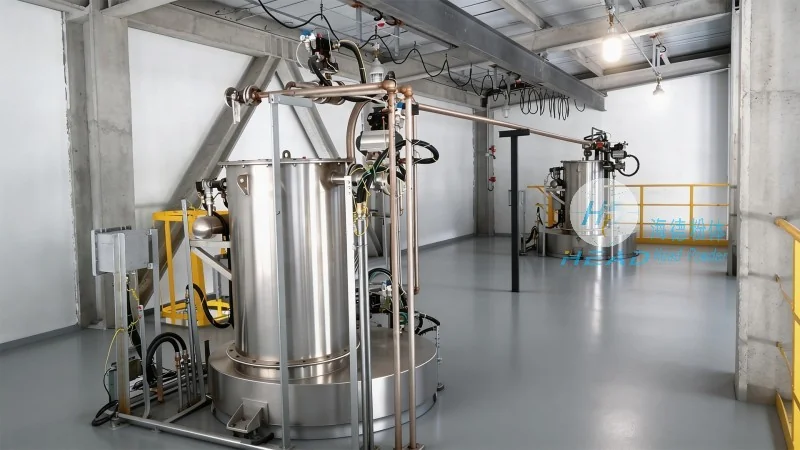
Each of these industries benefits from the reliability and efficiency of industrial alkali pneumatic conveying equipment. The systems provide a consistent and controlled method of material transport, reducing the risk of accidents and improving overall production throughput. The design principles discussed earlier ensure that these systems can handle the unique challenges associated with alkali materials, making them a preferred choice for many industrial applications.
Industrial alkali pneumatic conveying equipment plays a vital role in modern industrial operations, particularly in industries that handle caustic materials. The design principles, including corrosion resistance, dust control, and precise operation, ensure that these systems are safe, efficient, and durable. By understanding the core components and design considerations, industries can select and implement the most suitable equipment for their specific needs, enhancing productivity and safety in material handling processes.
Shandong HeadPowder Engineering Co., Ltd., a leading manufacturer in this field, specializes in designing and manufacturing high-quality industrial alkali pneumatic conveying equipment. With a focus on corrosion-resistant materials and advanced control systems, the company provides solutions tailored to the unique requirements of various industrial applications. HeadPowder's commitment to quality and innovation ensures that their equipment meets the highest standards of performance and reliability, supporting industries in their production processes. Based in Shandong, China, the company leverages its expertise to deliver effective and efficient material handling solutions for clients worldwide.

 Shandong Headpowder Engineering Co., Ltd.
 156-6277-7102(Manager Zhang)
  0531-83386006
  Zhangqiu District, Jinan City, Shandong Province, China
telephone
WeChatconsult
top