With more than 10‑year industry experience, Shandong Headpowder delivers full‑service pneumatic‑conveying systems and blowers, undertaking nationwide turn‑key powder‑handling projects.
Aluminum foil is a widely used material in various industries, including food packaging, pharmaceuticals, and electronics. The efficient and safe transportation of aluminum foil from production lines to storage or processing areas is crucial for maintaining product quality and operational efficiency. Pneumatic conveying equipment has emerged as a reliable solution for handling aluminum foil, offering advantages such as dust-free operation, low maintenance, and the ability to transport materials over long distances. This article explores the concept of aluminum foil pneumatic conveying equipment and delves into its design principles, highlighting the key components and considerations that ensure optimal performance.
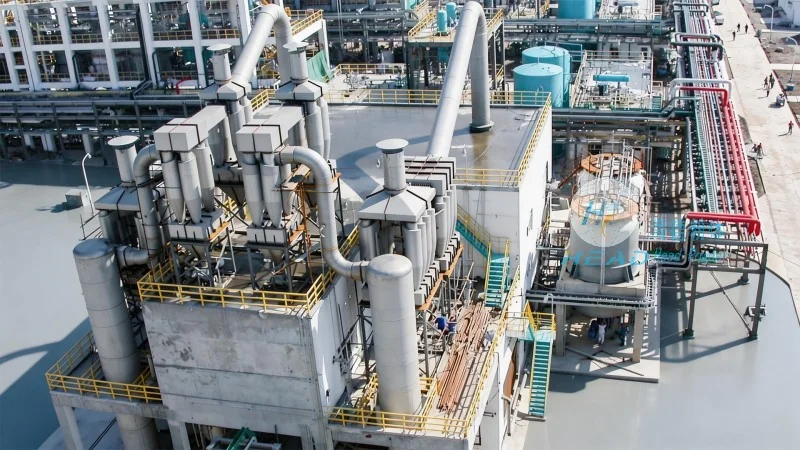
Pneumatic conveying systems use compressed air or other gases to transport bulk materials like aluminum foil through a network of pipes. Unlike traditional mechanical conveyors, these systems eliminate the need for moving parts in contact with the material, reducing the risk of contamination and wear. The primary goal of aluminum foil pneumatic conveying equipment is to move the material from a source (e.g., a production line or storage bin) to a destination (e.g., a processing machine or warehouse) while maintaining the integrity of the foil and minimizing material degradation.
A typical aluminum foil pneumatic conveying system consists of several critical components, each playing a vital role in the overall operation. The main components include:
The design of aluminum foil pneumatic conveying equipment must consider several factors to ensure reliable and efficient operation. The following principles are critical in the design process:
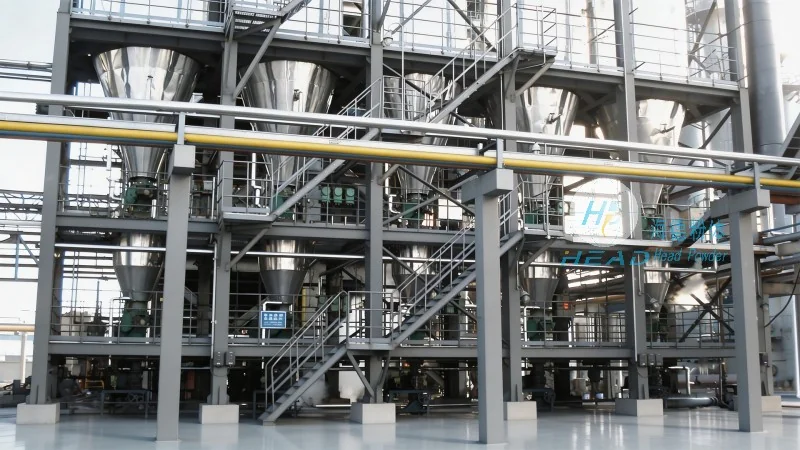
Material Compatibility: The equipment must be constructed from materials that are compatible with aluminum foil and resistant to corrosion. Aluminum foil is highly reactive and can easily oxidize or scratch, so components such as hoppers, pipes, and valves must be made from materials like stainless steel or specialized alloys that prevent contamination and maintain the material's quality.
Airflow Management: Proper airflow management is essential to prevent material degradation and ensure efficient transport. The design must consider the material's low bulk density and light weight, which may require higher air velocities or specialized feeding mechanisms to maintain a consistent flow. Additionally, the system must be designed to minimize air turbulence and pressure drops, which can lead to material segregation or blockages.
System Sizing and Layout: The size and layout of the pneumatic conveying system must be carefully planned to accommodate the volume of aluminum foil being transported and the distance between the source and destination. The system's design should include appropriate pipe diameters, pressure ratings, and component placement to ensure smooth material flow and minimize energy consumption.
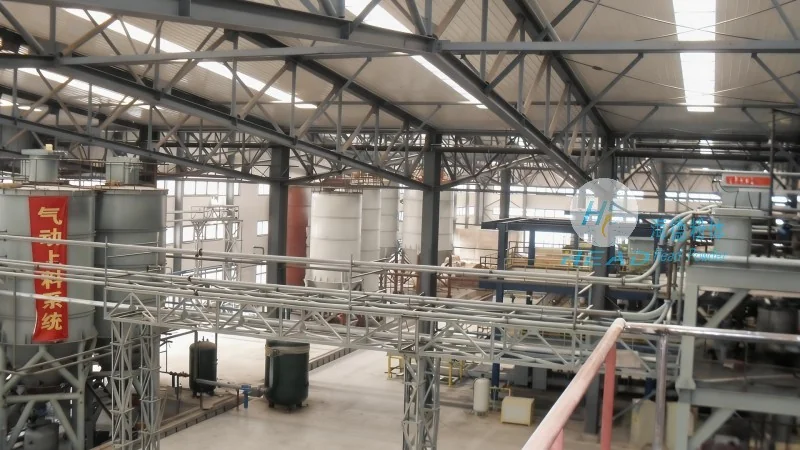
Control and Safety Features: Modern aluminum foil pneumatic conveying systems incorporate advanced control and safety features to enhance operational efficiency and protect personnel and equipment. These features may include pressure sensors, flow meters, and automatic shut-off mechanisms that detect blockages or over-pressurization, preventing damage to the system and ensuring safe operation.
Aluminum foil pneumatic conveying equipment is widely used in various industries where aluminum foil is processed or used. Some common applications include:
The benefits of using aluminum foil pneumatic conveying equipment include:
Shandong HeadPowder Engineering Co., Ltd. is a leading manufacturer of pneumatic conveying equipment, specializing in solutions tailored to the unique needs of aluminum foil processing. The company's expertise lies in designing and manufacturing systems that meet the stringent requirements of the aluminum foil industry, ensuring high-quality, reliable, and efficient material transport.
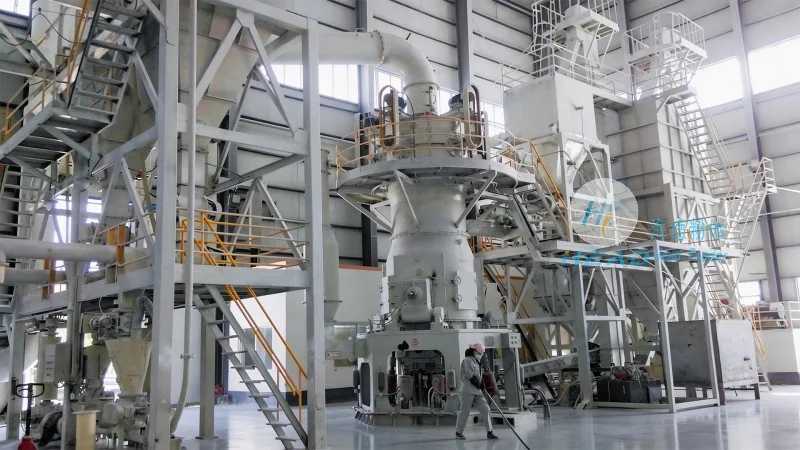
HeadPowder's aluminum foil pneumatic conveying equipment is designed with material compatibility, airflow management, and system efficiency in mind. The company uses advanced engineering techniques and high-quality materials to create systems that are durable, low-maintenance, and capable of handling the delicate nature of aluminum foil without causing damage or contamination.
The company's products are backed by a team of experienced engineers and technicians who provide comprehensive support, including system design, installation, and maintenance services. HeadPowder's commitment to quality and customer satisfaction has made it a trusted partner for businesses in the aluminum foil industry, helping them improve operational efficiency and maintain product quality.
With a focus on innovation and customer needs, Shandong HeadPowder Engineering Co., Ltd. continues to develop advanced pneumatic conveying solutions that meet the evolving demands of the aluminum foil market. The company's dedication to excellence and its expertise in the field make it a reliable choice for businesses seeking to optimize their aluminum foil handling processes.

 Shandong Headpowder Engineering Co., Ltd.
 156-6277-7102(Manager Zhang)
  0531-83386006
  Zhangqiu District, Jinan City, Shandong Province, China
telephone
WeChatconsult
top