With more than 10‑year industry experience, Shandong Headpowder delivers full‑service pneumatic‑conveying systems and blowers, undertaking nationwide turn‑key powder‑handling projects.
Sodium chloride, commonly known as table salt, is a widely used chemical compound in various industries, including food processing, pharmaceuticals, and chemical manufacturing. The efficient and safe transportation of sodium chloride is crucial for industrial operations, and pneumatic conveying systems have emerged as a reliable solution for this purpose. This article, produced by Shandong HeadPowder Engineering Co., Ltd. (headpowder), explores the concept of sodium chloride pneumatic conveying equipment and delves into its design principles, highlighting the technical aspects and operational considerations that make it an effective choice for material handling in industrial settings.
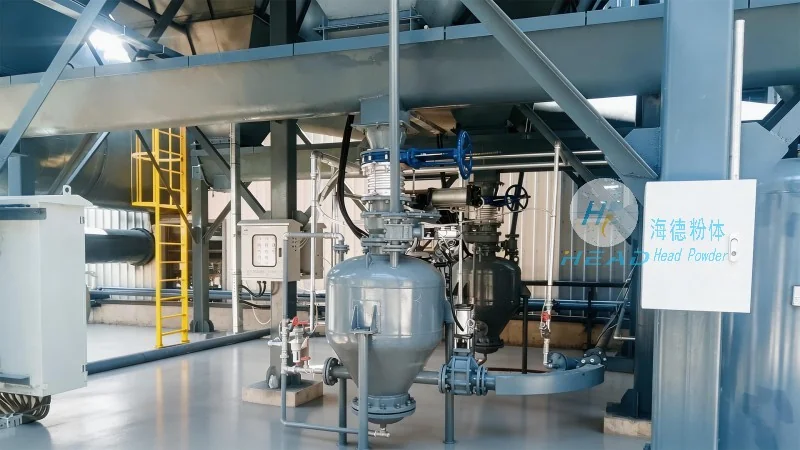
Pneumatic conveying, also known as air conveying, is a method of transporting bulk materials through a pipeline using a stream of air or gas. This technology is particularly suitable for handling dry, free-flowing materials like sodium chloride, as it eliminates the need for mechanical components such as belts or buckets that might cause contamination or wear. The system typically consists of a hopper, a blower or compressor, a pipeline network, and a discharge point. The material is fed into the hopper, and the air is introduced to create a flow that moves the material through the pipeline to the desired location.
The design of sodium chloride pneumatic conveying equipment involves several key principles to ensure optimal performance, efficiency, and safety. These principles include:
1. Material Compatibility: The equipment must be constructed from materials that are compatible with sodium chloride, such as stainless steel or corrosion-resistant alloys, to prevent degradation or contamination of the product. This is critical in maintaining the purity and quality of the sodium chloride, which is essential for its applications in food and pharmaceutical industries.
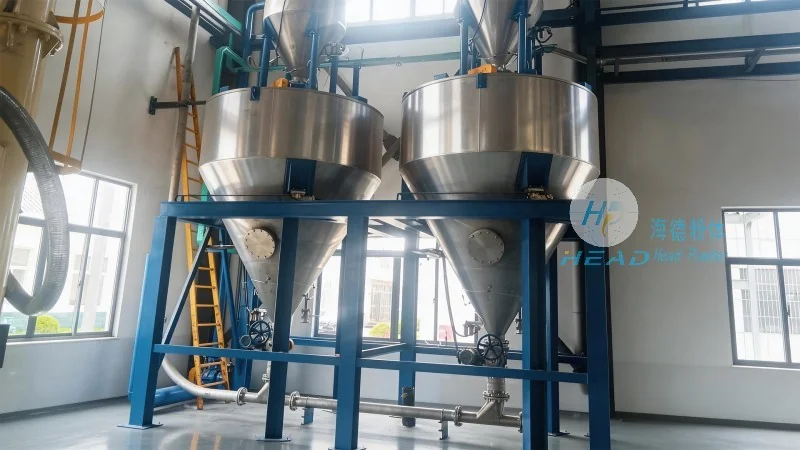
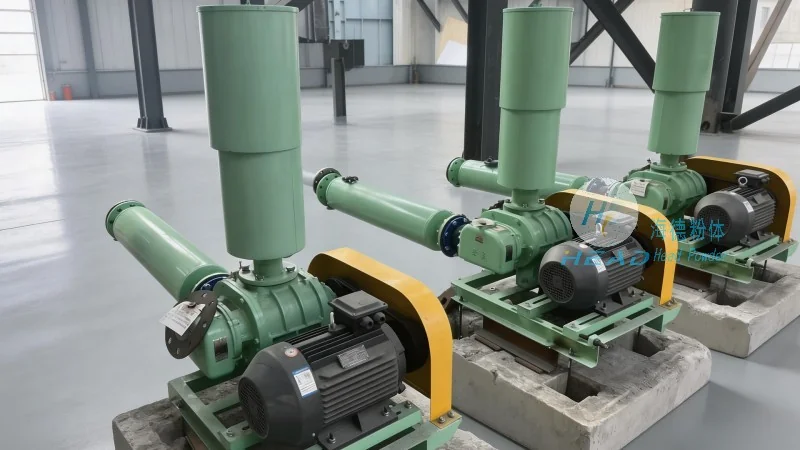
2. Pressure and Flow Control: Proper control of the air pressure and flow rate is essential to ensure consistent material transport. The system must be designed to handle the specific characteristics of sodium chloride, including its particle size, density, and flowability. This involves selecting appropriate blower or compressor specifications and pipeline diameters to achieve the desired conveying velocity and pressure drop.
3. Pipeline Layout and Configuration: The layout of the conveying pipeline is a critical design factor. The system should minimize bends and changes in direction to reduce pressure losses and prevent material deposition or blockages. The use of appropriate fittings, such as elbows and tees, and the inclusion of cleaning mechanisms, like air cannons or sweep lines, are important considerations to maintain system efficiency and prevent downtime.
4. Material Handling and Dosing: The design must include effective mechanisms for feeding and dosing the sodium chloride into the system. This may involve hoppers with level sensors, feeders such as rotary valves or screw conveyors, and control systems to regulate the material flow. The dosing system should ensure accurate and consistent material delivery, which is vital for process control and product quality.
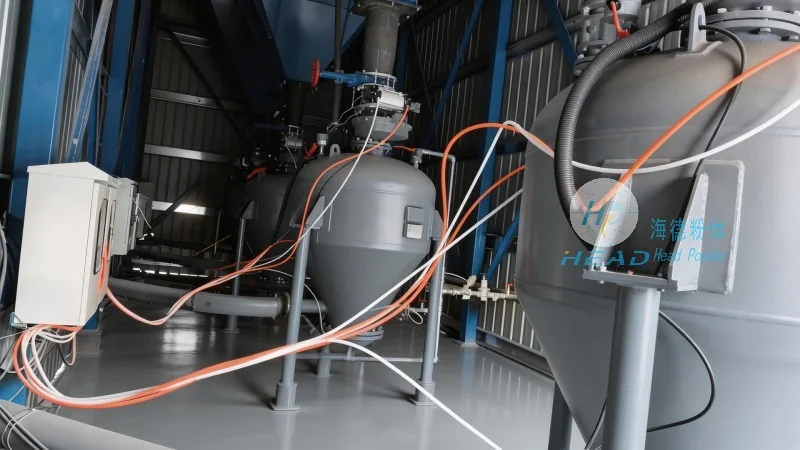
5. Safety and Environmental Considerations: The design must incorporate safety features to protect operators and the environment. This includes explosion-proof components for the blower or compressor, dust collection systems to prevent air pollution, and emergency shut-off mechanisms to prevent material release in case of system failure. Compliance with relevant safety standards and regulations is essential to ensure the equipment operates safely and responsibly.
Sodium chloride pneumatic conveying equipment is widely used in various industrial applications due to its advantages over traditional mechanical conveying methods. Some of the key benefits include:
1. Reduced Contamination: The enclosed system prevents contamination from external sources, ensuring the purity of the sodium chloride, which is critical for its use in food and pharmaceutical products.
2. Improved Efficiency: Pneumatic conveying systems can transport materials over longer distances and at higher speeds compared to mechanical systems, reducing overall processing time and increasing production efficiency.
3. Lower Maintenance Costs: The absence of moving parts in the pipeline reduces wear and tear, leading to lower maintenance requirements and longer equipment lifespan.
4. Flexibility and Scalability: The system can be easily expanded or reconfigured to accommodate changes in production volume or process requirements, making it a versatile solution for industrial operations.
Sodium chloride pneumatic conveying equipment is a sophisticated and effective solution for the transportation of this essential chemical compound. By adhering to the design principles outlined above, manufacturers can develop systems that are efficient, safe, and reliable, meeting the demands of various industrial applications. The technology continues to evolve, with advancements in materials, control systems, and system design, further enhancing its capabilities and expanding its applications in the future.

 Shandong Headpowder Engineering Co., Ltd.
 156-6277-7102(Manager Zhang)
  0531-83386006
  Zhangqiu District, Jinan City, Shandong Province, China
telephone
WeChatconsult
top