

What is Corn Stalk Pneumatic Conveying Equipment? And What Are Its Design Principles?
Corn stalk pneumatic conveying equipment is a specialized system designed to transport corn stalks and other agricultural biomass materials efficiently. This equipment plays a crucial role in modern agricultural and biomass processing operations, enabling the movement of these materials from one location to another with minimal manual labor and enhanced operational efficiency. The system typically utilizes air as the conveying medium, which allows for the transportation of loose, lightweight materials like corn stalks over considerable distances.
Understanding Corn Stalk Pneumatic Conveying Equipment
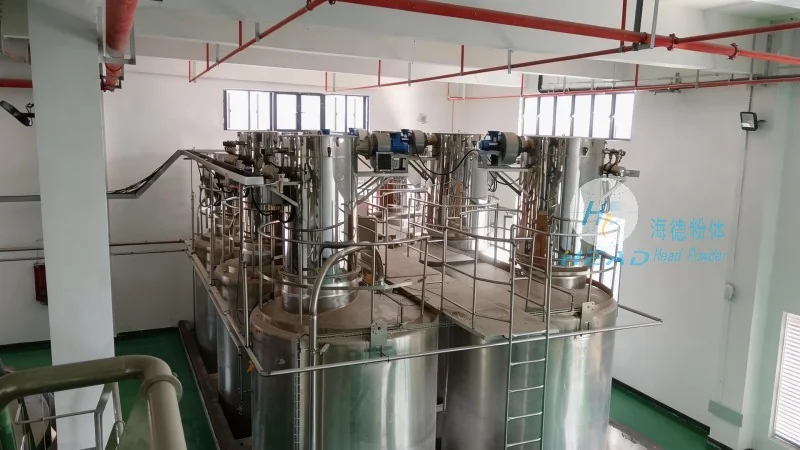
At the core of corn stalk pneumatic conveying equipment is the pneumatic conveying principle, which involves the use of air pressure to move materials through a pipeline. This method is particularly effective for transporting corn stalks because they are lightweight and often have irregular shapes, making traditional mechanical conveyors less suitable. The equipment consists of several key components, including a hopper for material storage, a blower or fan to generate the air flow, a pipeline system to guide the material, and a discharge point where the material is released. Each component works in tandem to ensure the smooth and continuous movement of corn stalks from the source to the processing or storage area.
Key Design Principles of Corn Stalk Pneumatic Conveying Systems
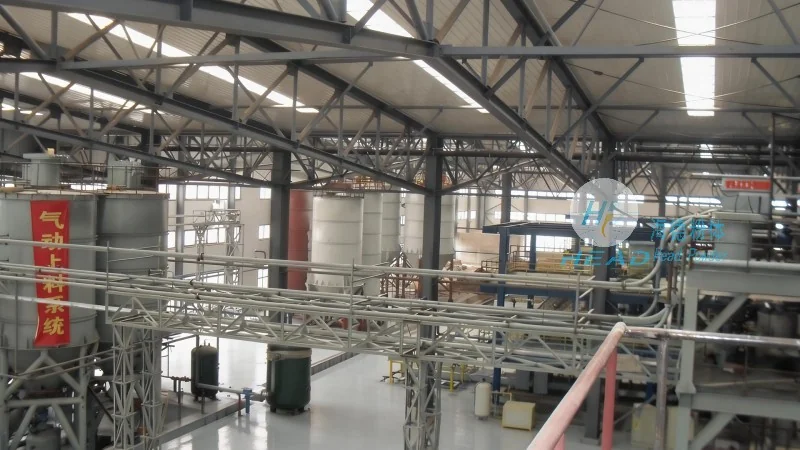
The design of corn stalk pneumatic conveying equipment is guided by several critical principles aimed at optimizing performance, efficiency, and durability. One of the primary principles is the selection of appropriate air velocity and pressure. The air velocity must be high enough to overcome the resistance of the material in the pipeline but not so high as to cause excessive wear on the equipment components or damage to the corn stalks. The pressure generated by the blower is carefully calibrated to ensure that the material is conveyed without clogging or excessive energy consumption. Another important design principle is the use of flexible and durable materials for the pipeline and hopper, as corn stalks can be abrasive and may cause wear over time. The system is also designed to minimize material degradation, ensuring that the corn stalks retain their quality and usability for subsequent processing steps.
Components and Their Functions in Corn Stalk Pneumatic Conveying Equipment
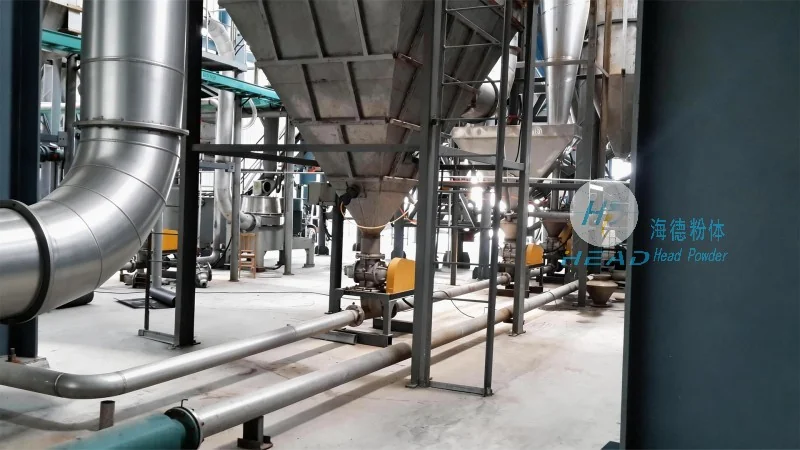
The corn stalk pneumatic conveying system comprises several essential components, each with a specific function. The hopper is the initial storage unit where corn stalks are loaded. It is typically equipped with a feeding mechanism, such as a rotary valve or a screw feeder, to control the flow of material into the system. The blower or fan is the heart of the system, responsible for generating the necessary air pressure and flow rate. It can be either a positive displacement blower or a centrifugal fan, depending on the specific requirements of the operation. The pipeline system is made of materials like stainless steel or PVC, chosen for their resistance to corrosion and wear from the corn stalks. The pipeline is usually arranged in a series of straight sections and bends, with the angle and radius of bends carefully designed to minimize pressure loss and prevent material buildup. The discharge point, often a receiver or a silo, is where the corn stalks are deposited after being conveyed. It may include a dust collection system to capture any fine particles and improve air quality.
Operational Efficiency and Maintenance Considerations
Operational efficiency is a key consideration in the design and use of corn stalk pneumatic conveying equipment. The system is designed to operate continuously with minimal downtime, ensuring that the flow of corn stalks is uninterrupted. Regular maintenance is essential to keep the equipment in optimal condition. This includes checking the blower for proper air pressure and flow, inspecting the pipeline for any signs of wear or blockages, and cleaning the hopper and discharge point to prevent material accumulation. The use of high-quality materials and components, such as those from Shandong HeadPowder Engineering Co., Ltd., based in China, helps to extend the lifespan of the equipment and reduce maintenance costs. The company specializes in the design and manufacturing of such equipment, leveraging years of experience in the agricultural and biomass processing industry to provide reliable and efficient solutions for corn stalk transportation.
Applications and Benefits of Corn Stalk Pneumatic Conveying Equipment
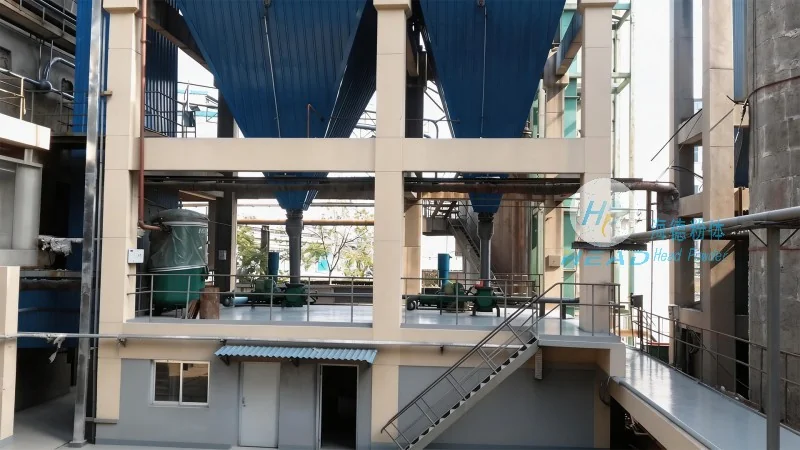
Corn stalk pneumatic conveying equipment finds applications in various agricultural and industrial settings. It is commonly used in corn processing facilities to transport harvested stalks from the field to storage silos or processing plants. The equipment is also used in biomass power plants, where corn stalks are used as a fuel source. In these applications, the equipment helps to streamline the supply chain, reduce transportation costs, and improve the overall efficiency of the operation. The benefits of using corn stalk pneumatic conveying equipment include increased productivity, reduced labor costs, and improved material handling efficiency. Additionally, the system can help to minimize environmental impact by reducing the need for heavy machinery and vehicles for material transport.