With more than 10‑year industry experience, Shandong Headpowder delivers full‑service pneumatic‑conveying systems and blowers, undertaking nationwide turn‑key powder‑handling projects.
Coking coal and limestone powder are critical raw materials in the steel and cement manufacturing sectors, demanding efficient and safe transportation solutions to maintain seamless production workflows. Pneumatic conveying equipment has become a preferred choice for handling these powders due to its ability to transport materials within a closed system, thereby reducing dust emissions and enhancing workplace safety. This article delves into the concept of coking coal and limestone powder pneumatic conveying equipment, elucidating its design principles and operational advantages.
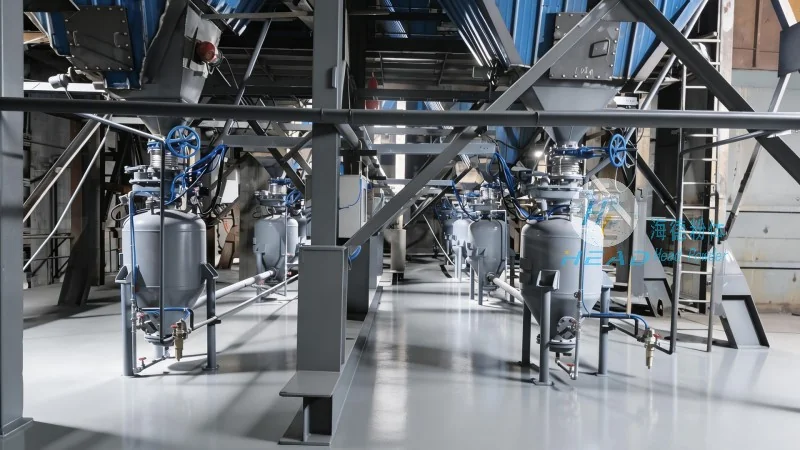
Pneumatic conveying systems leverage air or gas to transport bulk materials such as coking coal and limestone powder through a network of pipes. The technology operates on the principle of creating a pressure differential between the inlet and outlet of the conveying line. By introducing air into the material, the powder particles are suspended and propelled through the system. Two main types of pneumatic conveying exist: pressure and vacuum systems. Pressure systems utilize compressed air to push the material forward, whereas vacuum systems employ suction to draw the material into the pipeline.
The coking coal and limestone powder pneumatic conveying equipment from Shandong HeadPowder Engineering Co., Ltd. is engineered with several essential components to ensure optimal performance. These include the material hopper, which stores the bulk powder and feeds it into the system; the air compressor or vacuum pump, which provides the necessary pressure or suction; the conveying pipeline, which transports the material from the source to the destination; and the discharge unit, which releases the material at the receiving end. Each component is designed to function in harmony, ensuring consistent and efficient material transfer.
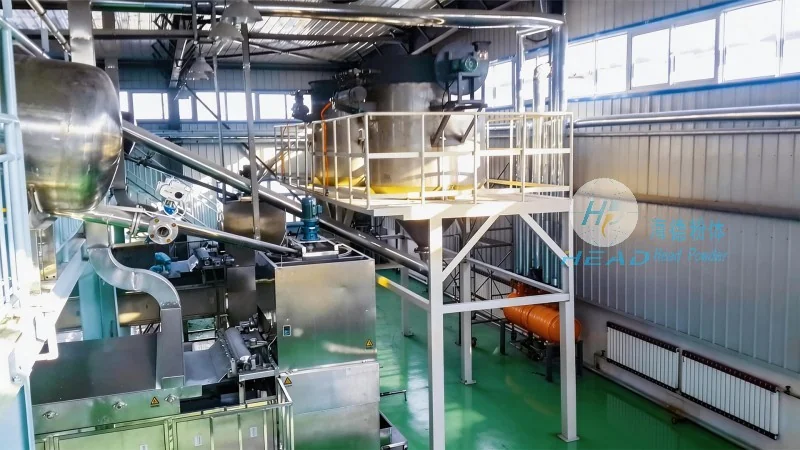
The design of coking coal and limestone powder pneumatic conveying equipment adheres to several key principles to maximize efficiency and minimize operational issues. A primary principle is the selection of appropriate air velocity and pressure. The air velocity must be sufficient to suspend the powder particles without causing excessive wear on the equipment, while the pressure or vacuum level must be optimized to ensure smooth material flow and prevent clogging or degradation. Another critical design principle involves considering material properties, such as particle size, density, and moisture content. These factors influence the choice of conveying system type and component specifications. For instance, limestone powder, with its fine particle size, may require a higher air velocity to maintain suspension compared to coarser coking coal particles.
Implementing pneumatic conveying systems for coking coal and limestone powder offers numerous advantages over traditional methods like belt conveyors or manual handling. One of the most significant benefits is the reduction of dust exposure, which enhances workplace safety and compliance with environmental regulations. The closed system design also prevents material contamination, ensuring the quality of the powders remains consistent throughout the transportation process. Additionally, pneumatic conveying systems offer greater layout flexibility, allowing for vertical and horizontal transport in a single system, which can optimize space utilization in industrial facilities. Furthermore, these systems can operate continuously, reducing downtime and increasing overall productivity.
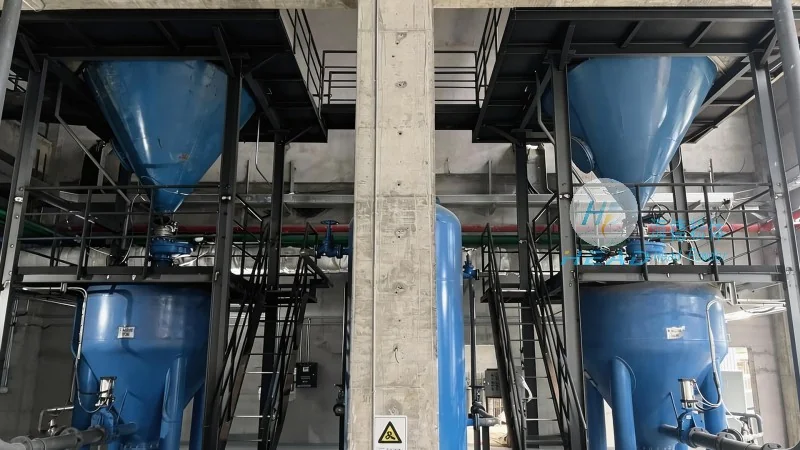
While pneumatic conveying equipment offers many benefits, proper operation and maintenance are crucial for long-term performance. Regular cleaning of the conveying lines and components is necessary to prevent powder residue buildup, which can affect airflow and cause clogs. The air compressor or vacuum pump must be maintained to ensure consistent pressure or suction levels. Additionally, monitoring the system for signs of wear and tear, such as increased energy consumption or reduced material flow, can help identify potential issues before they lead to system failure. Shandong HeadPowder Engineering Co., Ltd. provides comprehensive support for the operation and maintenance of their pneumatic conveying equipment, including technical guidance and spare parts availability.
Coking coal and limestone powder pneumatic conveying equipment, as designed by Shandong HeadPowder Engineering Co., Ltd., represents a sophisticated solution for efficient material handling in industrial applications. By adhering to sound design principles and utilizing advanced components, these systems ensure reliable transportation of essential raw materials while minimizing environmental impact and operational costs. The technology's flexibility and adaptability make it a valuable asset for industries relying on consistent and safe material transfer processes.

 Shandong Headpowder Engineering Co., Ltd.
 156-6277-7102(Manager Zhang)
  0531-83386006
  Zhangqiu District, Jinan City, Shandong Province, China
telephone
WeChatconsult
top