With more than 10‑year industry experience, Shandong Headpowder delivers full‑service pneumatic‑conveying systems and blowers, undertaking nationwide turn‑key powder‑handling projects.
Ammonium acetate, a chemical compound widely used in various industrial applications, often requires efficient and safe handling during transportation. The pneumatic conveying equipment designed specifically for ammonium acetate plays a crucial role in ensuring the smooth and reliable transfer of this material. This article aims to explore the concept of ammonium acetate pneumatic conveying equipment and delve into its underlying design principles, providing insights into how such systems are engineered to meet the demands of industrial processes.
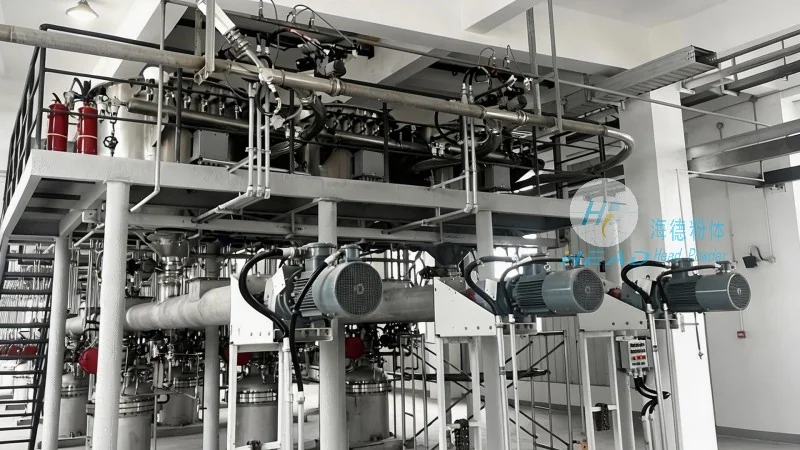
Ammonium acetate pneumatic conveying equipment refers to a specialized system used to transport ammonium acetate powder or granules through a pipeline using air or other gases as the conveying medium. Unlike traditional mechanical conveying methods, which rely on mechanical components like belts or screws, pneumatic conveying utilizes the force of compressed air to move the material. This method is particularly advantageous for handling fine powders or granules that are prone to dust, caking, or segregation. The equipment typically consists of several key components, including a hopper for material storage, a feeder to control the flow rate, a conveying line, and a receiver for the discharged material. The entire system is designed to maintain a consistent flow of ammonium acetate while minimizing the risk of material degradation or contamination.
At the heart of any ammonium acetate pneumatic conveying system are several critical components that work in tandem to ensure efficient operation. The first component is the hopper, which serves as the storage vessel for the ammonium acetate. It is usually equipped with a discharge valve to regulate the material flow into the feeder. The feeder, often a rotary valve or a star feeder, controls the precise amount of ammonium acetate released into the conveying line. This control is essential to maintain a stable air-to-material ratio, which directly impacts the conveying efficiency and system performance. The conveying line itself is typically made of stainless steel or other corrosion-resistant materials to prevent contamination and ensure durability, especially when handling ammonium acetate which can be hygroscopic or reactive under certain conditions. The receiver, located at the end of the line, collects the conveyed ammonium acetate and may include features like a dust collection system to capture any particles that escape during the process.
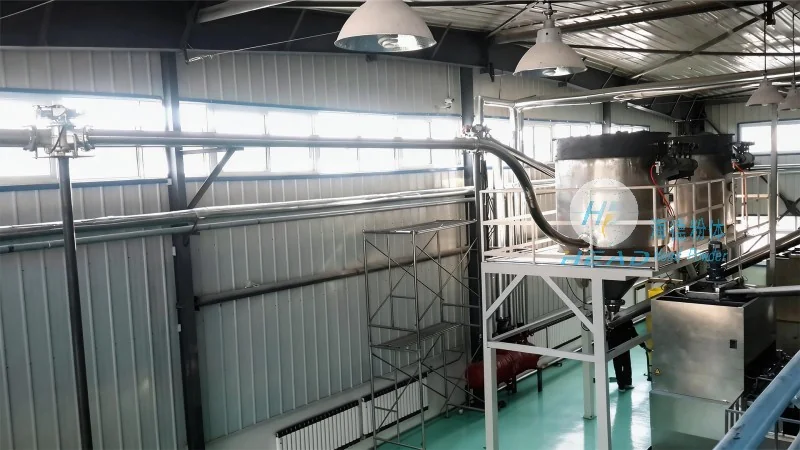
The design of ammonium acetate pneumatic conveying equipment is guided by several fundamental principles aimed at optimizing performance, safety, and reliability. One of the primary design considerations is the air-to-material ratio, which determines the velocity of the conveying air and the pressure required to move the material. For ammonium acetate, an optimal air-to-material ratio is crucial to prevent material deposition or blockages in the pipeline. Engineers must carefully calculate this ratio based on the particle size, density, and flow characteristics of the ammonium acetate being conveyed. Another key principle is the use of appropriate materials for the equipment components. Since ammonium acetate can be corrosive or sensitive to moisture, components such as hoppers, feeders, and pipelines are often constructed from stainless steel or other inert materials to avoid chemical reactions or contamination. Additionally, the system design incorporates features to minimize dust generation and ensure proper ventilation, as ammonium acetate is a fine powder that can pose respiratory hazards if not handled correctly. The design also emphasizes energy efficiency, as pneumatic conveying systems can consume significant amounts of compressed air. By optimizing the air velocity and reducing pressure losses in the pipeline, the system can operate more efficiently while maintaining the required conveying capacity.
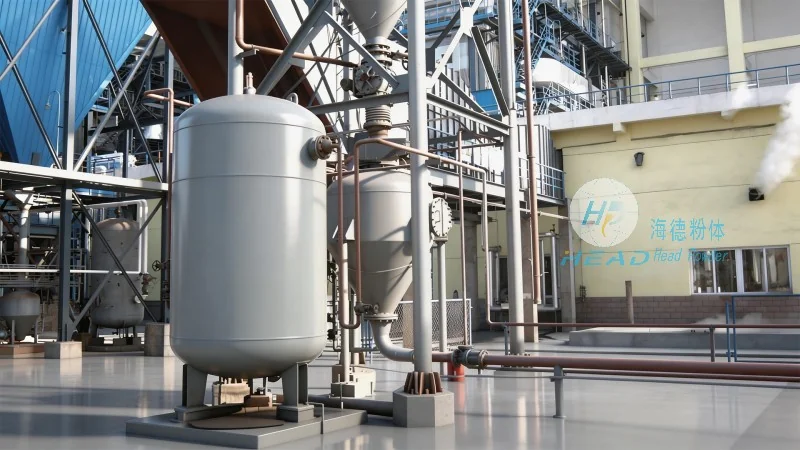
The use of ammonium acetate pneumatic conveying equipment is prevalent in industries where the handling of fine chemicals is essential. For instance, in pharmaceutical manufacturing, food processing, and chemical synthesis, the need to transport ammonium acetate from storage to processing units is critical. The equipment offers several benefits over traditional methods, including reduced labor costs, minimized material loss, and improved safety. By eliminating the need for manual handling of powders, the system reduces the risk of dust exposure and workplace accidents. Additionally, pneumatic conveying allows for a more controlled and consistent flow of material, which is vital for processes that require precise dosing or blending. The equipment also enables the integration of the conveying system with other industrial processes, such as mixing or packaging, creating a seamless workflow. Furthermore, the compact design of pneumatic conveying systems makes them suitable for installations in confined spaces, which is often a requirement in modern industrial facilities.
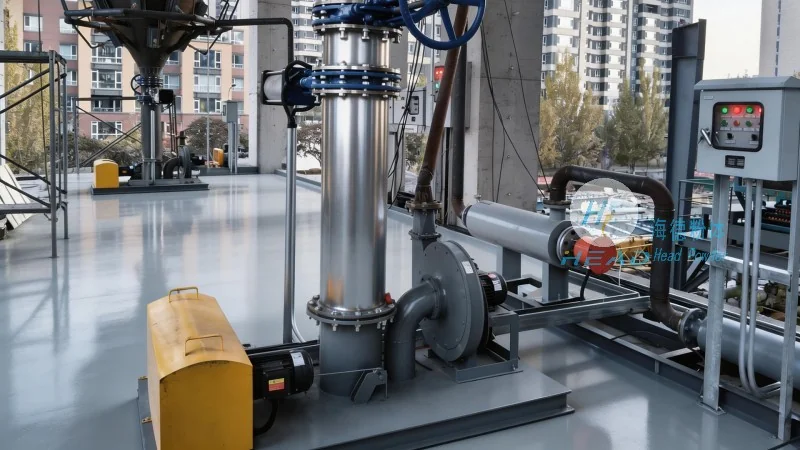
Given the diverse applications and varying properties of ammonium acetate, the design of pneumatic conveying equipment is often customized to meet specific operational requirements. Manufacturers like Shandong HeadPowder Engineering Co., Ltd. specialize in developing tailored solutions that address the unique challenges of handling ammonium acetate. These companies offer a range of options, including different hopper sizes, feeder types, and pipeline configurations, to accommodate varying production volumes and material characteristics. Regular maintenance is also essential to ensure the long-term performance and reliability of the system. This includes cleaning the hopper and feeder to prevent material buildup, inspecting the conveying line for any signs of wear or corrosion, and checking the air compressor and filtration system for optimal operation. Proper maintenance not only extends the lifespan of the equipment but also ensures consistent conveying performance, reducing downtime and operational costs.
In conclusion, ammonium acetate pneumatic conveying equipment is a sophisticated system designed to efficiently and safely transport ammonium acetate in industrial settings. The design principles, which focus on optimizing air-to-material ratios, using appropriate materials, and minimizing dust generation, are critical to the system's effectiveness. The equipment offers significant benefits, including improved safety, reduced labor costs, and enhanced process integration. With proper customization and maintenance, such systems can meet the demanding requirements of various industries, ensuring reliable and consistent handling of ammonium acetate. As a leading provider in this field, Shandong HeadPowder Engineering Co., Ltd. continues to innovate and provide high-quality solutions tailored to the needs of their clients.

 Shandong Headpowder Engineering Co., Ltd.
 156-6277-7102(Manager Zhang)
  0531-83386006
  Zhangqiu District, Jinan City, Shandong Province, China
telephone
WeChatconsult
top