With more than 10‑year industry experience, Shandong Headpowder delivers full‑service pneumatic‑conveying systems and blowers, undertaking nationwide turn‑key powder‑handling projects.
For industrial applications involving the transport of PTA (Paraxylene Terephthalic Acid) and other bulk materials, efficient and reliable material handling systems are crucial. This article provides an overview of PTA pneumatic conveying systems, detailing their working principles and the engineering solutions offered by Shandong HeadPowder Engineering Co., Ltd., a leading provider in the field.
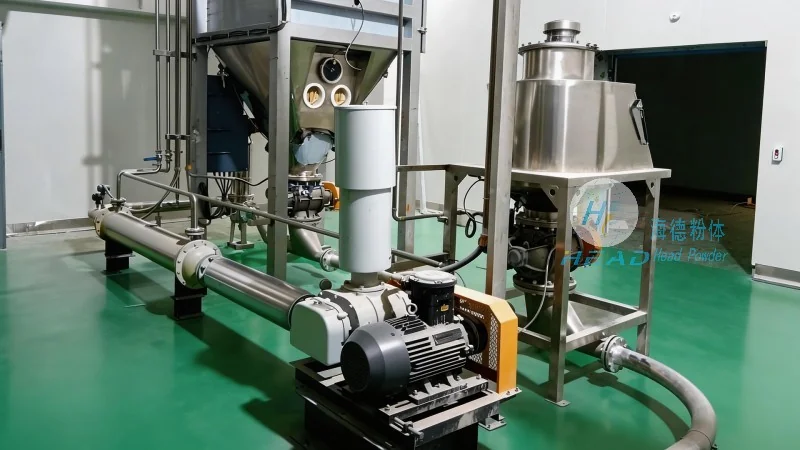
Pneumatic conveying systems are widely used in the chemical and petrochemical industries for the transportation of PTA and similar granular or powdered materials. These systems utilize air or other gases to move materials from one location to another, offering advantages such as dust-free operation, flexibility in layout, and the ability to handle materials over long distances. The core of a PTA pneumatic conveying system lies in its ability to efficiently transport high-value materials like PTA while maintaining product integrity and minimizing operational costs.
The fundamental principle of PTA pneumatic conveying involves creating a pressure differential or using vacuum to move material through a pipeline. There are two main types of pneumatic conveying systems: pressure systems and vacuum systems. In pressure systems, air is compressed and introduced into the conveying line at a higher pressure than the ambient, pushing the material forward. Vacuum systems, on the other hand, create a low-pressure zone at the discharge end, drawing material into the pipeline. For PTA, which is often handled in large quantities, pressure systems are commonly employed due to their higher capacity and efficiency in moving dense materials over long distances.
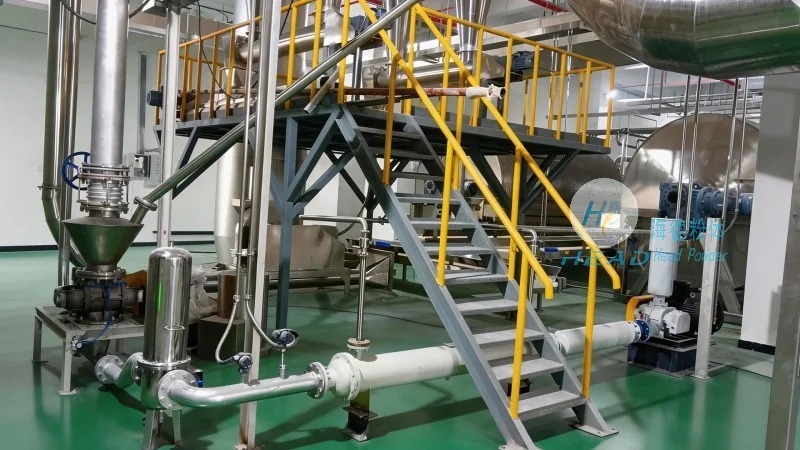
A typical PTA pneumatic conveying system consists of several critical components that work in tandem to ensure smooth operation. These include the material feed hopper, which holds the PTA and controls the flow rate; the air compressor or vacuum pump, which provides the necessary pressure or vacuum; the conveying pipeline, which transports the material; and the discharge equipment, such as a receiver or silo, where the PTA is collected. Additionally, components like rotary valves, filters, and pressure vessels are integral to maintaining system efficiency and preventing material degradation or blockages.
Shandong HeadPowder Engineering Co., Ltd., operating under the brand name headpowder, specializes in designing and manufacturing customized PTA pneumatic conveying systems tailored to the specific needs of clients. With a strong focus on material handling efficiency and operational reliability, the company leverages advanced engineering techniques and high-quality materials to deliver solutions that meet or exceed industry standards. The company’s expertise in pneumatic conveying technology ensures that PTA is transported safely and effectively, minimizing downtime and maximizing productivity for industrial operations.
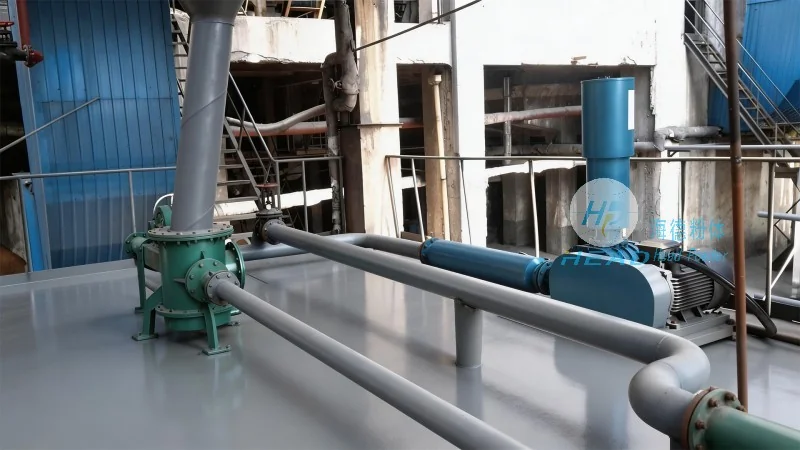
Implementing a PTA pneumatic conveying system offers numerous benefits for industrial facilities. These include improved safety by eliminating manual handling of bulk materials, reduced labor costs through automated operation, and enhanced product quality by minimizing exposure to contaminants or moisture. Additionally, the flexibility of pneumatic systems allows for easy integration into existing production lines and the ability to adapt to changes in material flow requirements. For PTA, which is a high-value chemical, these benefits translate into significant cost savings and increased profitability for manufacturers.
In summary, PTA pneumatic conveying systems represent a sophisticated and efficient solution for the transportation of PTA and similar bulk materials. By understanding the working principles and key components of these systems, industrial operators can make informed decisions about implementing or upgrading their material handling infrastructure. With the expertise and solutions provided by Shandong HeadPowder Engineering Co., Ltd., businesses can achieve optimal performance and reliability in their PTA handling operations, ensuring long-term success in the competitive chemical industry.

 Shandong Headpowder Engineering Co., Ltd.
 156-6277-7102(Manager Zhang)
  0531-83386006
  Zhangqiu District, Jinan City, Shandong Province, China
telephone
WeChatconsult
top