

What is Pneumatic Conveying of Desulfurizer Materials? Exploring Design Principles
Pneumatic conveying of desulfurizer materials is a critical process in industrial applications, particularly in power plants and chemical facilities where the efficient transport of desulfurization agents is essential for maintaining operational efficiency and environmental compliance. This method involves the use of air or other gases to move bulk materials like desulfurizer powders or slurries through a pipeline system. The technology has evolved significantly over the years, offering advantages such as reduced equipment wear, improved safety, and the ability to handle materials that are difficult to transport via traditional methods like belt conveyors or trucks.
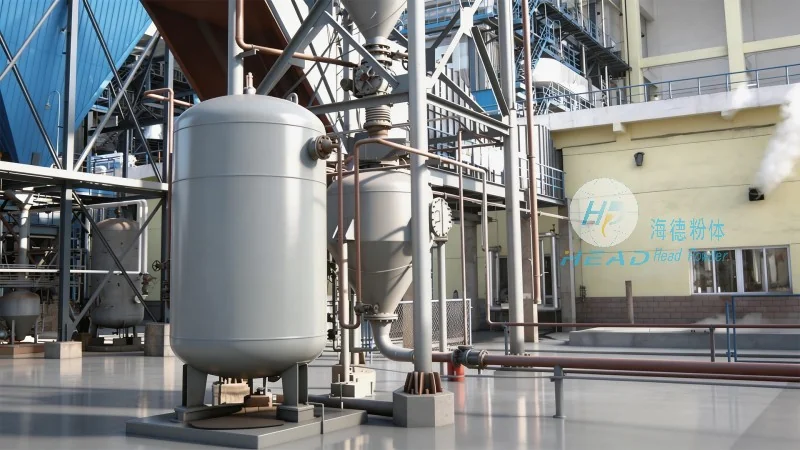
Key Design Principles for Pneumatic Conveying Systems
The design of a pneumatic conveying system for desulfurizer materials must consider several critical factors to ensure optimal performance and reliability. First, the system must be tailored to the specific characteristics of the desulfurizer, including its particle size, density, moisture content, and flowability. These properties directly impact the selection of the conveying air velocity, pressure, and the type of equipment used, such as positive displacement blowers or centrifugal fans. Additionally, the system's layout, including the number and placement of inlets, outlets, and bends, is crucial for minimizing pressure drop and preventing material blockages. Proper sizing of the pipeline diameter and the use of appropriate materials for construction (e.g., stainless steel to resist corrosion from acidic desulfurizer solutions) are also essential design considerations.
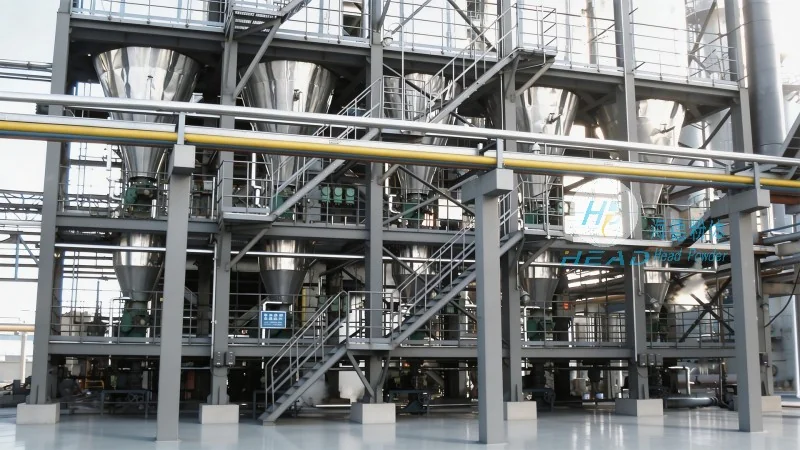
Components and Functionality of Pneumatic Conveying Systems
A typical pneumatic conveying system for desulfurizer materials consists of several key components that work in tandem to achieve efficient material transport. The primary components include a material feed hopper, a conveying air source (such as a blower or compressor), a pipeline network, and a discharge device. The feed hopper is designed to store and meter the desulfurizer material, ensuring a consistent flow into the system. The air source provides the necessary pressure or velocity to move the material through the pipeline. The pipeline network connects the feed hopper to the discharge point, with bends, valves, and filters integrated to maintain system efficiency and prevent material buildup. The discharge device, such as a rotary valve or a venturi, controls the release of the material at the destination, ensuring a smooth and controlled output.
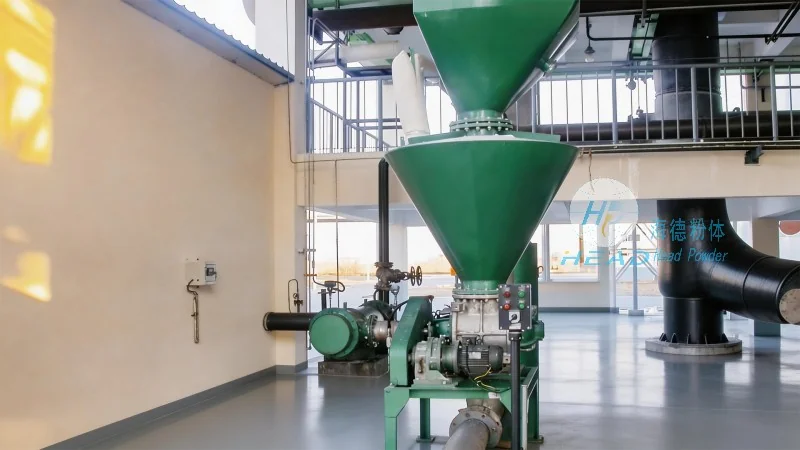
Advantages and Challenges in Pneumatic Conveying of Desulfurizer Materials
While pneumatic conveying offers numerous benefits, it also presents certain challenges that must be addressed in the design and operation of the system. One of the main advantages is the ability to transport materials over long distances without the need for multiple transfer points, which reduces downtime and labor costs. The system also provides better control over material handling, minimizing dust emissions and improving workplace safety compared to traditional methods. However, challenges such as pressure drop due to pipeline friction, material segregation, and the potential for blockages in bends or fittings require careful consideration during system design. Additionally, the selection of the appropriate air velocity is critical; too low a velocity may cause material settling, while too high a velocity can lead to excessive energy consumption and equipment wear.
Application of Pneumatic Conveying in Desulfurization Processes
In the context of desulfurization processes, pneumatic conveying is commonly used to transport limestone or other alkaline materials to the desulfurizer reactor, where they react with sulfur dioxide to form calcium sulfite or calcium sulfate. The efficiency of this transport system directly impacts the overall performance of the desulfurization process, as any delays or inefficiencies in material delivery can lead to reduced reactor capacity or increased emissions. Therefore, the design of the pneumatic conveying system must be optimized to match the specific requirements of the desulfurization plant, including the material flow rate, the distance to be covered, and the operating conditions (e.g., temperature and humidity). By ensuring a reliable and efficient material transport, the system contributes to the plant's ability to meet environmental regulations and maintain operational stability.
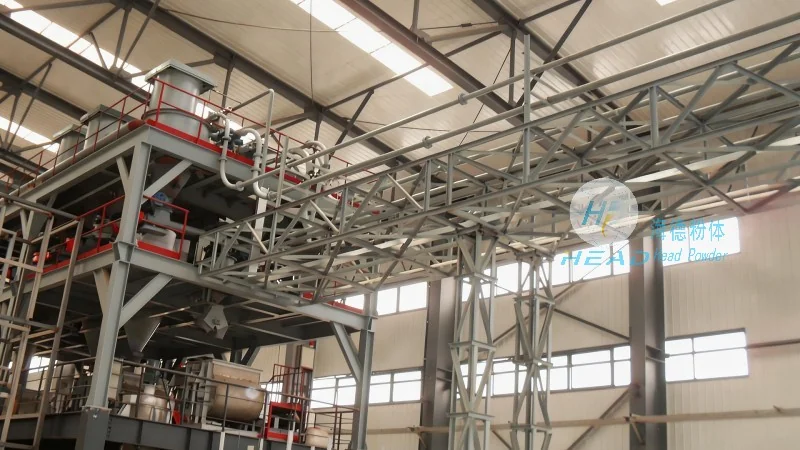
About Shandong HeadPowder Engineering Co., Ltd.
Shandong HeadPowder Engineering Co., Ltd., commonly known as HeadPowder, is a leading provider of engineering solutions for material handling and processing in industrial applications. With a focus on innovation and customer-centric design, HeadPowder specializes in the development and implementation of pneumatic conveying systems tailored to the unique needs of its clients. The company's expertise in material flow technology, combined with its commitment to quality and reliability, has made it a trusted partner for power plants, chemical manufacturers, and other industries requiring efficient and safe material transport solutions. HeadPowder's team of engineers and technicians work closely with clients to understand their operational challenges and design customized solutions that enhance productivity, reduce costs, and improve overall system performance. Based in Shandong, China, HeadPowder leverages its local expertise and resources to deliver high-quality engineering services and products that meet the highest industry standards.