

What is the Pneumatic Conveying of Magnesium Hydroxide Material? Exploring the Design Principles
When it comes to the efficient handling of magnesium hydroxide material, pneumatic conveying systems offer a reliable and effective solution. This method involves transporting the material through a pipeline using a stream of air or other gas. For industries dealing with magnesium hydroxide, understanding the design principles behind such systems is crucial for optimizing performance and ensuring safety.
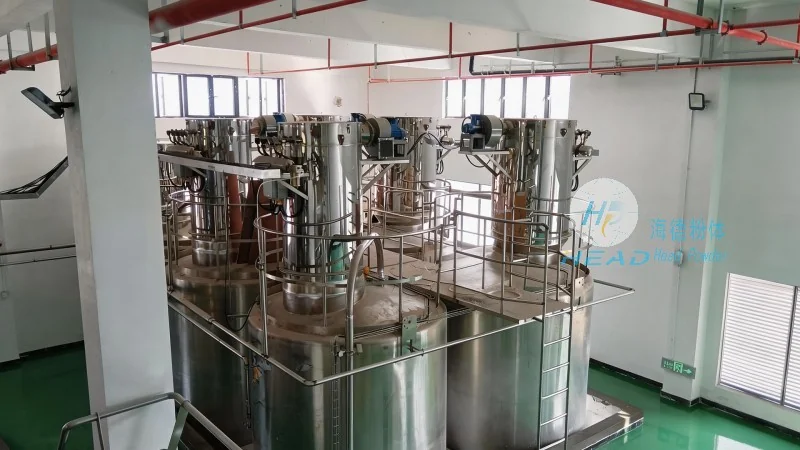
Introduction to Pneumatic Conveying of Magnesium Hydroxide
Magnesium hydroxide, commonly used in various industrial applications such as flame retardants, pharmaceuticals, and water treatment, presents unique challenges when it comes to material handling. Its fine particle size and relatively low bulk density make traditional methods like belt conveyors less efficient. Pneumatic conveying addresses these challenges by utilizing air to move the material, reducing the need for mechanical components and minimizing product degradation.
Key Design Principles for Magnesium Hydroxide Pneumatic Conveying Systems
The success of a pneumatic conveying system for magnesium hydroxide hinges on several critical design principles. First, the selection of the appropriate conveying velocity is essential. The velocity must be high enough to keep the material suspended in the air stream but low enough to prevent excessive wear on the system components. For magnesium hydroxide, typical conveying velocities range from 20 to 30 meters per second, depending on the particle size and flow rate.
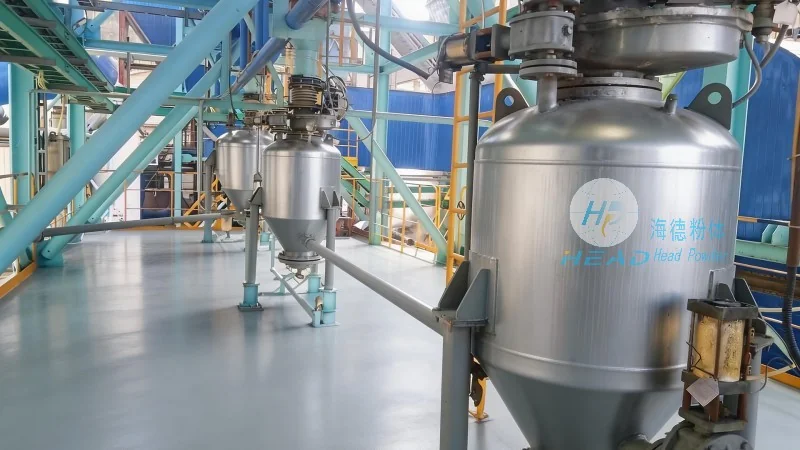
Second, the design of the pipeline system is paramount. The pipeline must be sized appropriately to accommodate the material's flow characteristics. The use of smooth, corrosion-resistant materials like stainless steel or PTFE is common to prevent particle buildup and ensure consistent flow. Additionally, the inclusion of bends and elbows requires careful consideration to minimize pressure losses and maintain the material's suspension.
Third, the separation and collection equipment plays a vital role. After the material is conveyed, it needs to be separated from the air stream. This is typically achieved using cyclone separators or bag filters. The design of these components must account for the fine particle size of magnesium hydroxide, ensuring efficient separation while preventing clogging. The collection hopper or silo must also be designed to handle the material's properties, such as its tendency to settle or agglomerate.
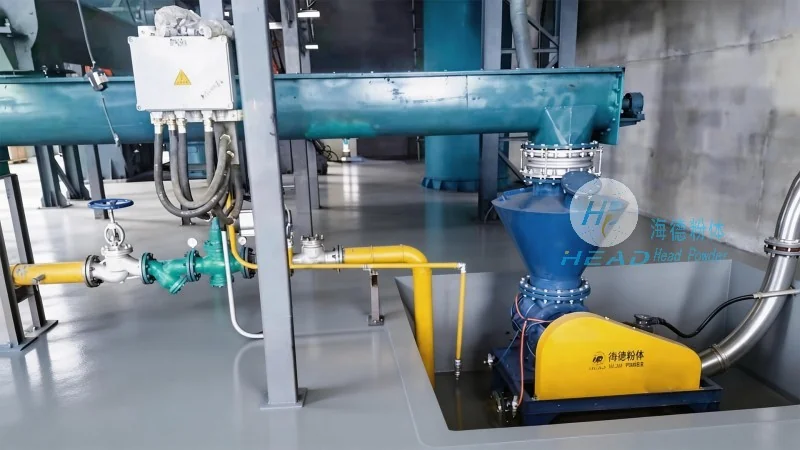
System Components and Their Function in Magnesium Hydroxide Conveying
A pneumatic conveying system for magnesium hydroxide consists of several key components, each with a specific function. The air compressor or blower provides the necessary pressure and airflow to move the material. The feed hopper or feeder controls the material flow into the system, ensuring a consistent feed rate. The pipeline connects the various components and transports the material from the feed point to the discharge point. The separation equipment removes the material from the air stream, and the discharge system collects and stores the material.
For magnesium hydroxide, the choice of components is critical. The air compressor must be capable of handling the specific requirements of the material, such as its low bulk density and fine particle size. The feeder may need to be equipped with a vibratory or rotary mechanism to prevent clogging and ensure smooth material flow. The pipeline must be designed to minimize pressure drop and maintain the material's suspension, which is essential for preventing blockages and ensuring efficient transport.
Benefits and Considerations for Magnesium Hydroxide Pneumatic Conveying
Implementing a pneumatic conveying system for magnesium hydroxide offers several benefits. It reduces the need for mechanical handling equipment, which can lower operational costs and maintenance requirements. The system also minimizes product contamination and degradation, as the material is not in direct contact with other surfaces. Additionally, pneumatic conveying can be integrated with other processes, such as mixing or packaging, to create a seamless production line.
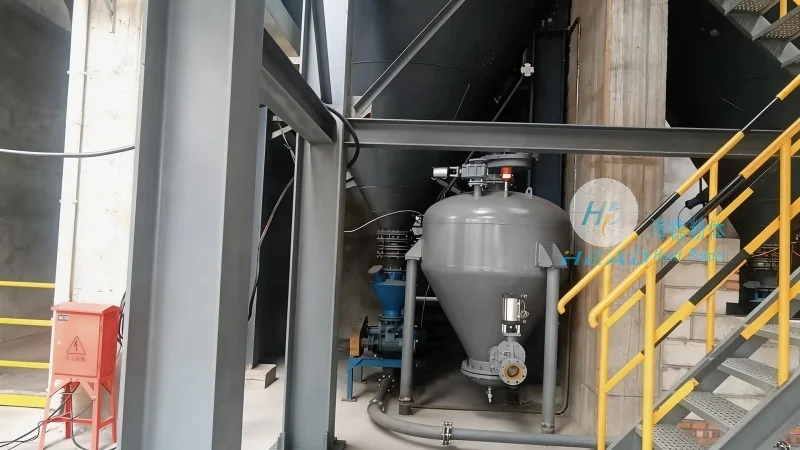
However, there are also considerations to keep in mind. The system requires careful design to prevent dust emissions and ensure compliance with environmental regulations. The fine particle size of magnesium hydroxide can lead to increased wear on system components, necessitating regular maintenance and replacement of parts. Additionally, the system's energy consumption must be managed to ensure cost-effectiveness.
Conclusion
In conclusion, the pneumatic conveying of magnesium hydroxide material is a sophisticated process that relies on well-designed systems and components. By understanding the key design principles, such as conveying velocity, pipeline design, and separation equipment, industries can optimize their material handling processes. Companies like Shandong HeadPowder Engineering Co., Ltd., with their expertise in engineering and material handling solutions, play a crucial role in developing and implementing these systems to meet the specific needs of their clients.