With more than 10‑year industry experience, Shandong Headpowder delivers full‑service pneumatic‑conveying systems and blowers, undertaking nationwide turn‑key powder‑handling projects.
Wheat bran, a byproduct of the milling process, is widely utilized in the food, animal feed, and pharmaceutical industries. Efficient and reliable material handling is essential for processing wheat bran, and pneumatic conveying systems have become a preferred solution for transporting this material. This article explores the concept of wheat bran material pneumatic conveying and delves into the fundamental design principles that underpin such systems.
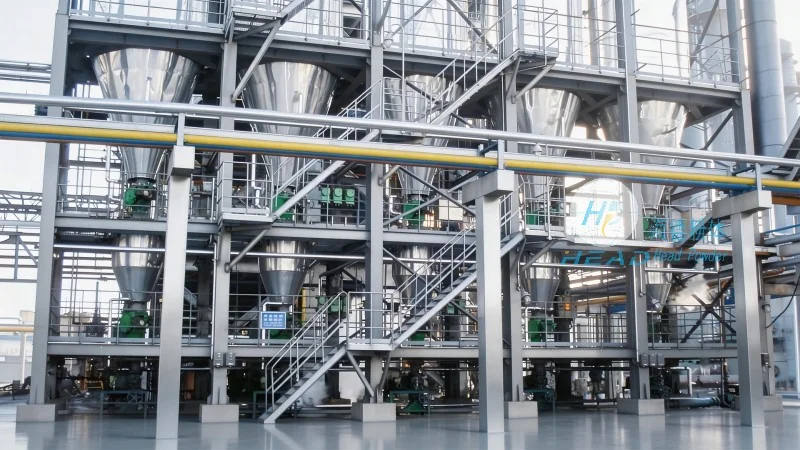
Pneumatic conveying, also known as air conveying, is a method of transporting bulk materials through a pipeline using compressed air or other gases. In the context of wheat bran, this technology is particularly effective due to the material's fine particle size and relatively low density. The process involves feeding the wheat bran into a hopper, where it is then drawn into a pipeline by a vacuum or pressure differential. Compressed air is introduced to move the material along the pipeline, ensuring a continuous and controlled flow. This method offers several advantages over traditional mechanical conveying, including reduced contamination, lower maintenance requirements, and the ability to transport materials over long distances without the need for multiple transfer points.
Shandong HeadPowder Engineering Co., Ltd., a leading provider of engineering solutions for bulk material handling, specializes in designing and manufacturing pneumatic conveying systems tailored to the unique needs of wheat bran processing. With years of experience in the industry, HeadPowder has developed a deep understanding of the challenges associated with handling wheat bran, such as its tendency to clump, static electricity buildup, and the need for gentle handling to preserve its quality. The company's expertise lies in creating customized systems that address these challenges while ensuring optimal performance and efficiency.
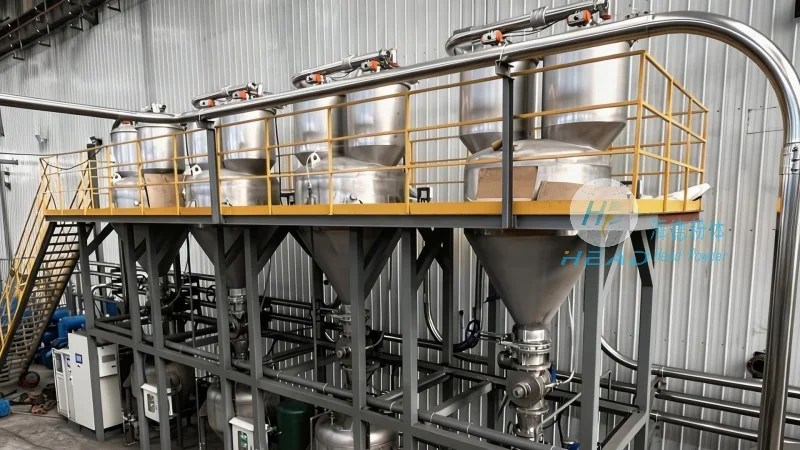
The design of a pneumatic conveying system for wheat bran involves several critical principles that must be carefully considered to ensure successful operation. First, the selection of the appropriate conveying type—either vacuum or pressure—is crucial. Vacuum systems are often preferred for wheat bran due to their ability to handle fine particles and minimize dust emissions. The system must also incorporate appropriate equipment, including hoppers, feeders, and pipelines, all of which are designed to handle the specific characteristics of wheat bran. For instance, the hopper should be equipped with a rotary valve or a star feeder to ensure a consistent and controlled feed rate, preventing blockages and ensuring smooth material flow. The pipeline design is equally important, as it must be sized and configured to accommodate the material's flow characteristics and the required conveying velocity. HeadPowder's engineers employ advanced computational fluid dynamics (CFD) and material flow analysis to optimize pipeline dimensions and ensure efficient material transport.
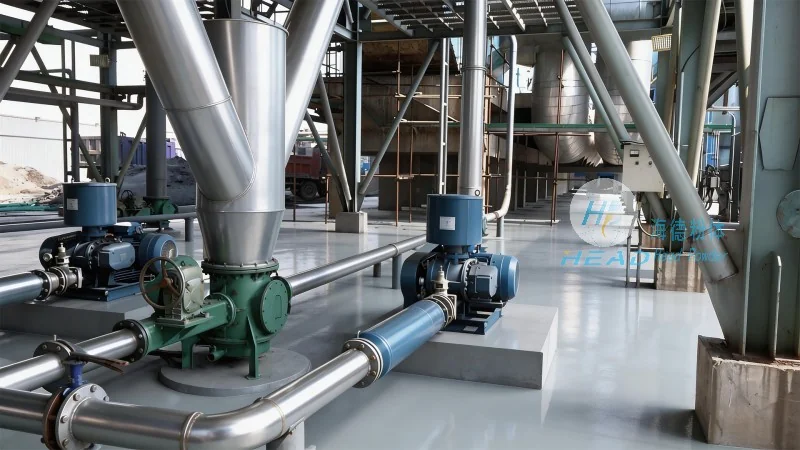
Wheat bran presents unique challenges in material handling due to its physical properties. Its fine particle size and high surface area make it prone to static electricity, which can lead to material buildup and blockages in the conveying system. To mitigate this, anti-static measures are often incorporated into the design, such as grounding electrodes and static dissipative materials. Additionally, the material's tendency to clump can cause clogs in the system, necessitating the use of inline mixers or vibrators to break up agglomerates. The system must also be designed to minimize material degradation, as excessive pressure or velocity can damage the bran's structure and affect its quality for downstream applications. HeadPowder's solutions address these considerations by integrating features like low-velocity conveying, which reduces particle impact and maintains the material's integrity.
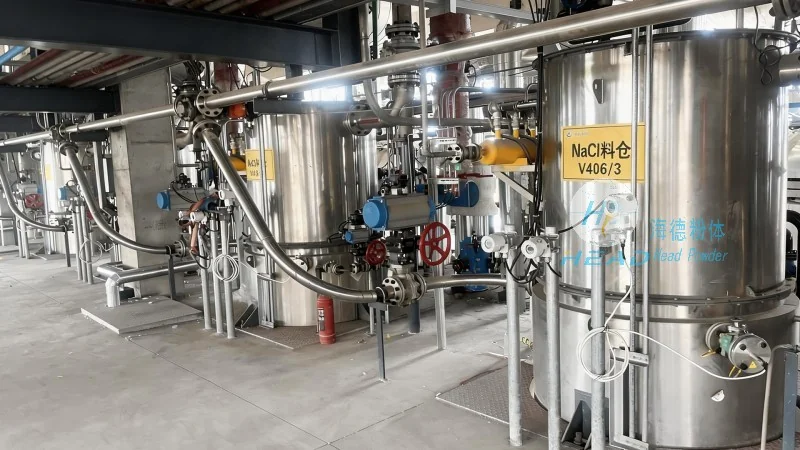
A well-designed pneumatic conveying system for wheat bran is not just about the components but also about their integration and maintenance. HeadPowder emphasizes the importance of a comprehensive system that includes not only the conveying equipment but also auxiliary components such as dust collectors, filters, and control systems. These components are essential for maintaining air quality, preventing system contamination, and ensuring safe operation. Regular maintenance is also critical to the longevity and efficiency of the system. HeadPowder provides comprehensive maintenance services, including routine inspections, component replacement, and performance monitoring, to ensure that the system operates at peak efficiency and meets the customer's processing needs.
Wheat bran material pneumatic conveying is a sophisticated and effective method for handling this valuable byproduct, and its success depends on a thorough understanding of the material's properties and the application of sound design principles. Shandong HeadPowder Engineering Co., Ltd. has established itself as a trusted partner in providing customized pneumatic conveying solutions that meet the specific requirements of wheat bran processing. By focusing on material handling considerations, system integration, and maintenance, HeadPowder ensures that its clients can achieve efficient, reliable, and cost-effective material transport, ultimately enhancing their overall processing capabilities.

 Shandong Headpowder Engineering Co., Ltd.
 156-6277-7102(Manager Zhang)
  0531-83386006
  Zhangqiu District, Jinan City, Shandong Province, China
telephone
WeChatconsult
top