

Kaolin Material Pneumatic Conveying: What It Is and Its Design Principles
Understanding the fundamentals of kaolin material pneumatic conveying is crucial for industries that rely on efficient and reliable material handling solutions. This article delves into the concept of kaolin material pneumatic conveying, exploring its operational principles and the key design considerations that ensure optimal performance in industrial applications.
What is Kaolin Material Pneumatic Conveying?
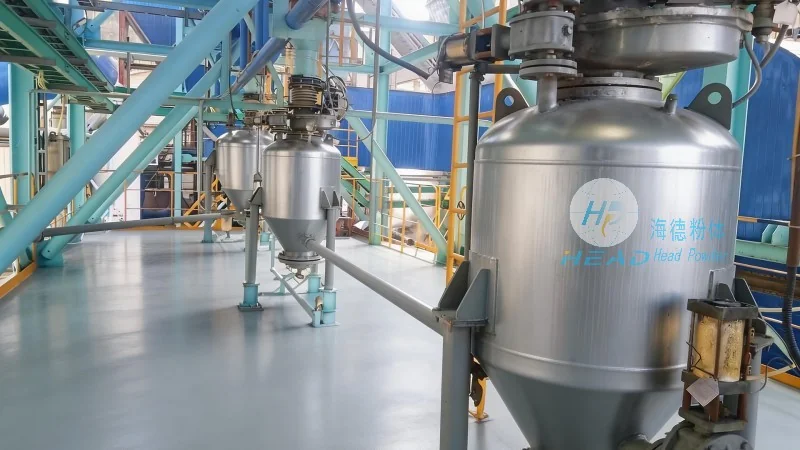
Kaolin material pneumatic conveying refers to the process of transporting kaolin powder or other fine particulate materials through a pipeline using a stream of air or gas. Unlike traditional mechanical conveying methods, which rely on belts, buckets, or screws, pneumatic conveying utilizes air pressure to move materials, offering advantages such as flexibility, reduced equipment wear, and the ability to handle sensitive or abrasive materials like kaolin. The system typically consists of a hopper, a feeder, a conveying line, and a receiver, with the air flow controlled by a blower or compressor. This method is particularly effective for transporting kaolin, a soft, white clay mineral widely used in ceramics, paper, and cosmetics, due to its fine particle size and low bulk density.
Key Design Principles for Kaolin Pneumatic Conveying Systems
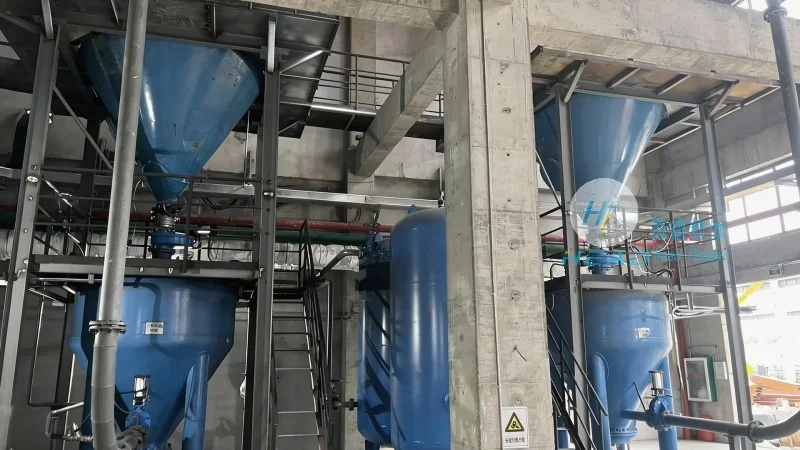
The design of a kaolin material pneumatic conveying system involves several critical principles to ensure efficiency, safety, and longevity. First, the selection of the appropriate conveying velocity is essential. The velocity must be high enough to prevent material settling or clogging in the pipeline but low enough to avoid excessive wear on the system components. For kaolin, which is typically a fine powder, velocities ranging from 20 to 30 meters per second are common in dilute phase systems, while higher velocities may be required for dense phase conveying to maintain material integrity. Second, the system's pressure and flow rate must be carefully balanced to maintain consistent material transport. This involves selecting the right blower or compressor capacity, ensuring adequate air volume to overcome friction losses in the pipeline and to lift the kaolin particles. Third, the design must account for the material's properties, such as its particle size distribution, moisture content, and bulk density. Kaolin's fine particle size (often below 10 microns) can lead to high pressure drop and potential blockages, so the system may incorporate features like cyclones or filters to separate air from the material and prevent clogging. Fourth, the system layout and pipeline design are critical. The pipeline should be sized appropriately to minimize pressure losses, with bends and fittings minimized to reduce turbulence and material degradation. Additionally, the use of smooth, corrosion-resistant materials for the pipeline and components is essential to prevent kaolin buildup and ensure long-term performance.
Components of a Kaolin Pneumatic Conveying System
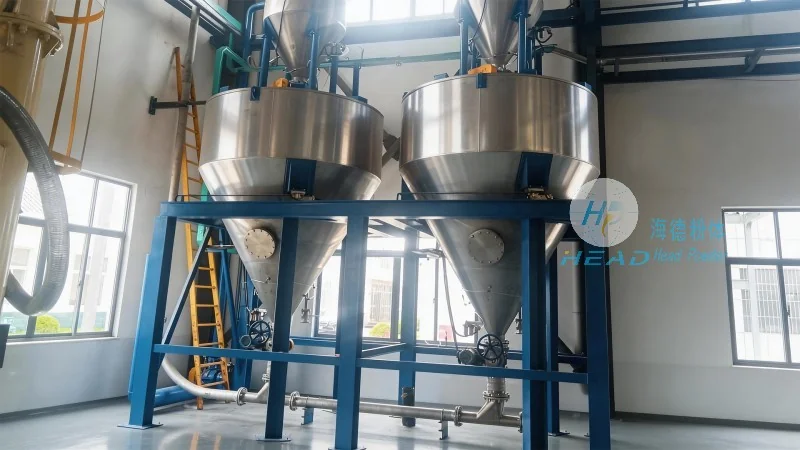
A typical kaolin material pneumatic conveying system includes several key components, each playing a vital role in the overall operation. The hopper serves as the storage vessel for the kaolin material, providing a consistent feed to the system. It is often equipped with a level indicator to monitor material levels and a discharge valve to control the flow rate. The feeder, usually a rotary valve or a screw feeder, regulates the amount of kaolin released into the conveying line, ensuring a steady and controlled feed. The blower or compressor generates the air pressure needed to move the material through the pipeline. The conveying line, typically made of stainless steel or other corrosion-resistant materials, transports the kaolin and air mixture. The receiver, often a hopper or a storage tank, collects the conveyed kaolin at the destination. Additional components may include cyclones or filters to separate the air from the material, a dust collector to capture any airborne particles, and a pressure regulator to maintain consistent system pressure. Each component must be selected and sized based on the specific characteristics of the kaolin material and the operational requirements of the system.
Advantages of Kaolin Pneumatic Conveying
Compared to traditional mechanical conveying methods, kaolin material pneumatic conveying offers several advantages that make it a preferred choice for many industries. One of the primary benefits is its flexibility, as the system can be easily reconfigured or expanded to accommodate changes in production volume or material types. The ability to transport kaolin over long distances without the need for intermediate storage or transfer points also enhances operational efficiency. Additionally, pneumatic conveying reduces the risk of material contamination and degradation, as the material is enclosed within the pipeline and not exposed to external elements. This is particularly important for kaolin, which is often used in high-purity applications such as ceramics or cosmetics. The system also minimizes labor costs and equipment wear, as there are fewer moving parts and less physical handling of the material. Furthermore, the use of air as the conveying medium allows for the integration of other processes, such as drying or cooling, within the system, further enhancing its versatility.
About Shandong HeadPowder Engineering Co., Ltd.
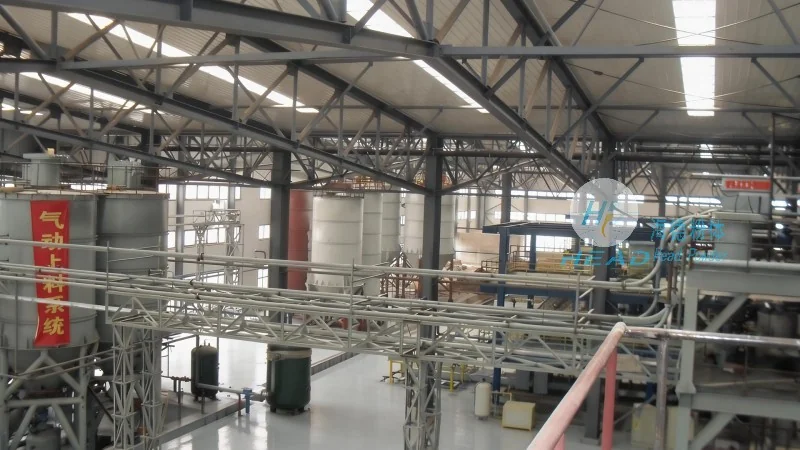
Shandong HeadPowder Engineering Co., Ltd., commonly known as HeadPowder, is a leading provider of industrial material handling solutions, specializing in the design and manufacturing of pneumatic conveying systems for various materials, including kaolin. With a strong focus on innovation and customer satisfaction, HeadPowder has established itself as a trusted partner for industries requiring reliable and efficient material transport solutions. The company's team of experienced engineers and technicians works closely with clients to understand their specific needs and develop customized solutions that meet their operational requirements. HeadPowder's commitment to quality and safety is reflected in its adherence to international standards and rigorous testing procedures for all its products. The company's facilities in Shandong, China, are equipped with state-of-the-art technology and equipment, enabling the production of high-quality pneumatic conveying systems that are durable, efficient, and cost-effective. HeadPowder's expertise in kaolin material handling has helped numerous clients improve their production processes, reduce operational costs, and enhance overall productivity. By combining advanced engineering with practical application, HeadPowder continues to deliver solutions that meet the evolving needs of the industrial sector.