

What is the Pneumatic Conveying of Sodium Hydroxide Powder? Exploring the Design Principles
For industrial applications involving sodium hydroxide powder, efficient material handling is crucial. Pneumatic conveying systems offer a reliable solution for transporting this caustic material, and understanding the design principles behind such systems is essential for optimal performance and safety. This article explores the fundamentals of pneumatic conveying for sodium hydroxide powder, detailing the key considerations and components that ensure effective operation.
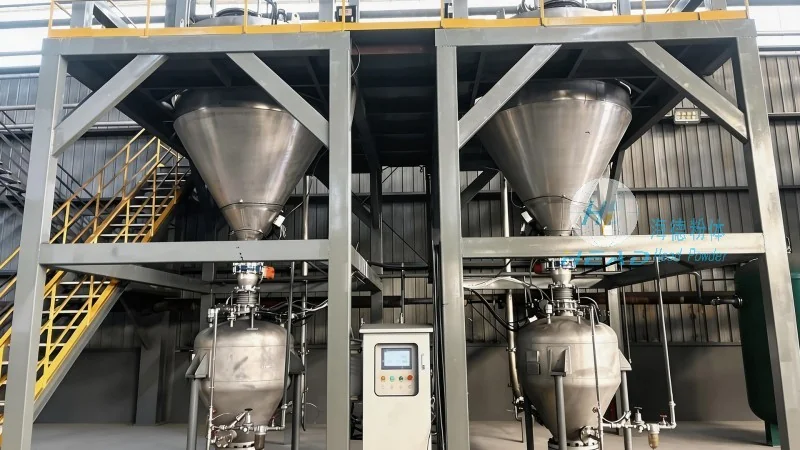
Introduction to Pneumatic Conveying of Sodium Hydroxide Powder
Pneumatic conveying is a method of transporting bulk materials, such as sodium hydroxide powder, using a stream of pressurized air or gas. This technique is widely used in industries where traditional mechanical conveying systems may be unsuitable due to the material's properties, including its reactivity, dustiness, or the need for enclosed handling to prevent environmental contamination. The process involves feeding the powder into a pipeline, where it is suspended and carried by the air flow to the destination point. For sodium hydroxide, which is highly caustic and can cause severe burns or corrosion, the design of the conveying system must prioritize safety, material integrity, and operational efficiency.
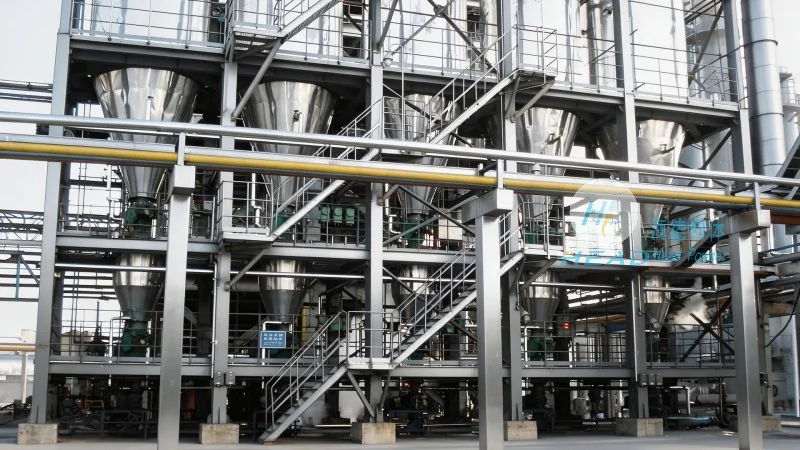
Key Design Principles for Sodium Hydroxide Powder Conveying Systems
The design of a pneumatic conveying system for sodium hydroxide powder requires careful consideration of several critical factors to ensure reliable and safe operation. These principles include the selection of appropriate equipment, the control of air velocity and pressure, and the management of material flow and temperature. The system must be constructed from materials that are resistant to corrosion and chemical attack, as sodium hydroxide is a strong alkali that can degrade many common metals and plastics over time. Stainless steel is often the preferred material for the conveying lines, pumps, and other components, as it provides excellent resistance to corrosion and can withstand the high temperatures that may be generated during operation. For instance, 316L stainless steel is commonly used due to its superior resistance to chloride and caustic environments, ensuring long-term durability and minimal maintenance.
Another critical design principle is the control of air velocity within the pipeline. The air velocity must be sufficient to keep the powder suspended and prevent it from settling or clogging the system. However, excessively high velocities can lead to increased wear on the equipment and higher energy consumption. Engineers typically calculate the optimal air velocity based on the particle size, density, and flow rate of the sodium hydroxide powder, ensuring that the system operates within an efficient and safe range. The relationship between air velocity and particle size is particularly important, as smaller particles require higher velocities to remain suspended. For sodium hydroxide powder with an average particle size of 100 microns, an air velocity of 20-30 meters per second is often recommended to maintain stable suspension. The pressure used in the system also plays a significant role, as it determines the distance the material can be conveyed and the overall system efficiency. Higher pressures allow for longer conveying distances but may require more robust equipment and higher energy input. For example, a positive pressure system can convey sodium hydroxide powder over distances of up to 100 meters, while a negative pressure system is more suitable for shorter distances or when the material needs to be collected from multiple sources.
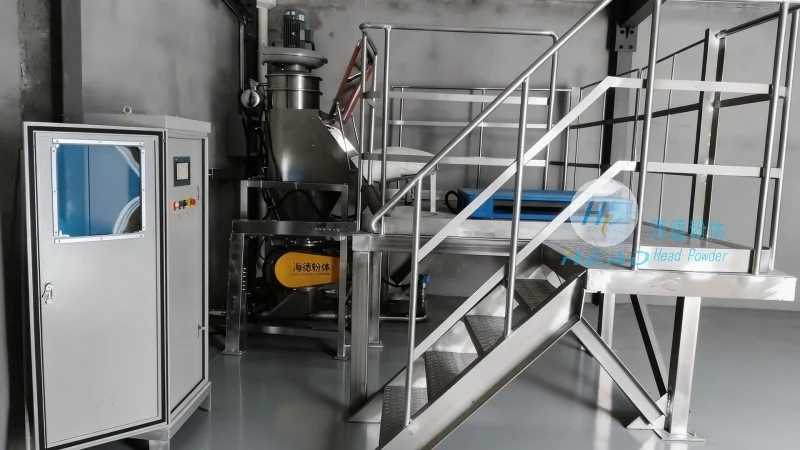
Components of a Pneumatic Conveying System for Sodium Hydroxide
A typical pneumatic conveying system for sodium hydroxide powder consists of several key components that work together to transport the material. The primary components include a feeder, which introduces the powder into the system at a controlled rate; a conveying line, which transports the powder and air mixture; a receiver, which collects the material at the destination; and a control system, which regulates the flow of air and material. The feeder is designed to handle the bulk density and flow characteristics of sodium hydroxide powder, ensuring a consistent feed rate that prevents blockages or uneven material distribution. There are two main types of feeders used in such systems: rotary valves and screw feeders. Rotary valves are preferred for sodium hydroxide powder due to their ability to handle high bulk densities and prevent material buildup, as they can be adjusted to control the flow rate precisely. The conveying line is typically made of stainless steel and may include bends, elbows, and other fittings that are designed to minimize pressure loss and prevent material buildup. The use of smooth, rounded bends and gradual transitions between sections of the line is crucial to maintain the air velocity and prevent particle deposition. The receiver is equipped with a dust collection system to capture any particles that may escape during the conveying process, ensuring compliance with environmental regulations and maintaining a clean working environment. This system typically includes a filter or cyclone that separates the powder from the air, with the collected powder being discharged into a storage bin or further processed.