

What is a Pea Material Pneumatic Conveying System? What are the Design Principles?
Pea material pneumatic conveying systems are specialized equipment used in the food processing industry to transport pea-based products efficiently and hygienically. These systems are designed to handle the unique characteristics of pea materials, such as their size, density, and moisture content, ensuring optimal performance and product quality. The primary function of a pea material pneumatic conveying system is to move pea products from one location to another within a processing facility, such as from storage silos to processing lines or from processing lines to packaging areas. The system utilizes air or gas as the conveying medium, creating a pressure differential that propels the pea material through a network of pipes and components.
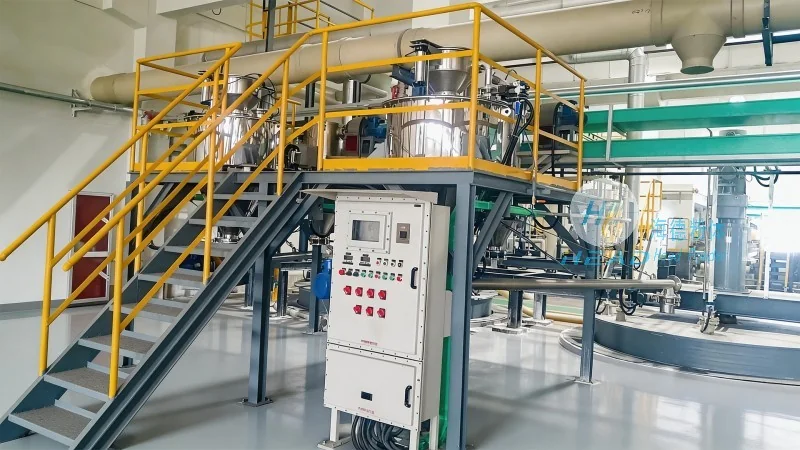
HeadPowder: A Leading Provider of Pneumatic Conveying Solutions
Shandong HeadPowder Engineering Co., Ltd., commonly known as HeadPowder, is a reputable company based in Shandong, China, specializing in the design, manufacturing, and installation of pneumatic conveying systems for various industries, including food processing. With years of experience and a commitment to quality, HeadPowder has established itself as a trusted partner for businesses seeking reliable and efficient material handling solutions. The company's expertise lies in understanding the specific requirements of different materials, such as peas, and tailoring systems that meet those needs. HeadPowder's team of engineers and technicians work closely with clients to develop customized pneumatic conveying systems that enhance operational efficiency, reduce downtime, and maintain product integrity.
Key Components of a Pea Material Pneumatic Conveying System
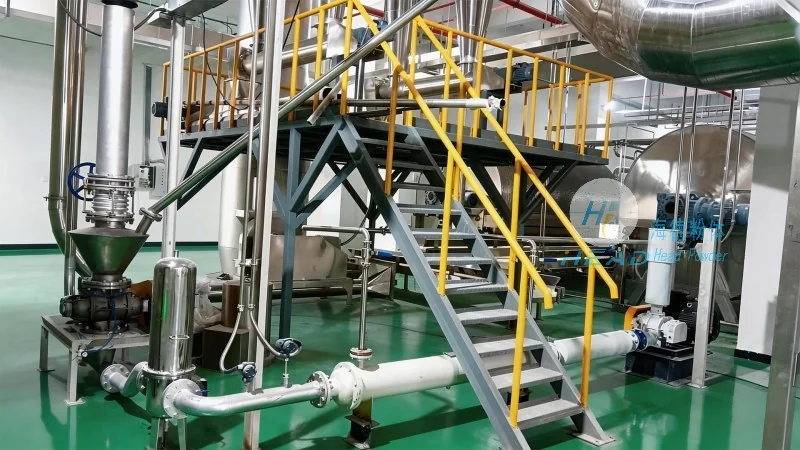
A typical pea material pneumatic conveying system consists of several key components that work together to ensure smooth and effective material transport. These components include a hopper or feeder to store and feed the pea material, a blower or compressor to generate the air or gas pressure, a pipeline network to convey the material, and a receiver or discharge point to collect the material at the destination. The hopper is designed to hold a sufficient quantity of pea material and features a feeding mechanism, such as a rotary valve or a screw feeder, to regulate the flow of material into the system. The blower or compressor provides the necessary pressure to move the pea material through the pipes. The pipeline network is made of materials that are compatible with the pea product and the conveying medium, such as stainless steel or food-grade plastic, to prevent contamination and ensure durability. The receiver is where the pea material is discharged and collected, often equipped with a dust collection system to maintain a clean and safe working environment.
Design Principles for Optimal Pea Material Conveying
The design of a pea material pneumatic conveying system follows several key principles to ensure efficiency, reliability, and product quality. One of the primary principles is the selection of the appropriate conveying method, which can be either positive pressure or negative pressure. Positive pressure systems use a blower to push the pea material through the pipes, while negative pressure systems use a vacuum to pull the material. The choice of method depends on factors such as the distance to be conveyed, the material characteristics, and the system layout. Another important principle is the calculation of the required air velocity and pressure. The air velocity must be sufficient to overcome the resistance of the pea material in the pipes and prevent clogging, but not so high as to cause excessive wear on the components or damage to the pea product. The pressure required is determined by the length of the pipeline, the number of bends, and the elevation changes in the system. Additionally, the system design must consider the hygienic requirements of the food processing industry, including easy cleaning, minimal dead zones, and materials that are resistant to corrosion and contamination. These principles ensure that the pea material is conveyed safely and efficiently, maintaining its quality and meeting regulatory standards.
Benefits of Using a Pea Material Pneumatic Conveying System
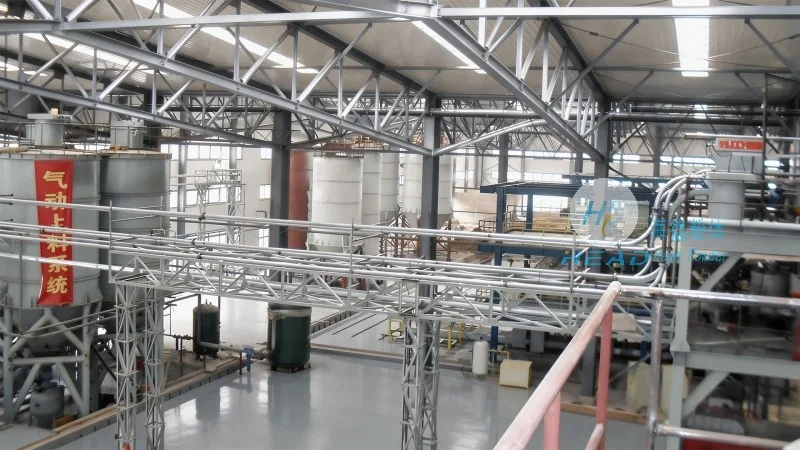
Implementing a pea material pneumatic conveying system offers several benefits for food processing businesses. One of the main advantages is the improvement in operational efficiency, as the system can transport pea material quickly and continuously, reducing the need for manual handling and labor. This leads to increased productivity and reduced downtime. Another benefit is the enhancement of product quality, as the system minimizes the risk of contamination and damage to the pea material during transport. The hygienic design of the system ensures that the pea product remains clean and safe for consumption. Additionally, the system can be integrated with other processing equipment, such as washing or drying lines, to create a seamless production flow. This integration improves overall process efficiency and reduces the complexity of the production line. Finally, the use of a pneumatic conveying system can result in cost savings, as it reduces the need for additional equipment, such as elevators or conveyors, and minimizes material loss due to spillage or clogging.
Customization and Maintenance of Pea Material Pneumatic Conveying Systems
HeadPowder understands that each food processing facility has unique requirements, and therefore, offers customized pneumatic conveying systems tailored to the specific needs of clients. The company's engineers work closely with clients to assess their production processes, material characteristics, and operational goals to design a system that meets all requirements. Customization may include adjustments to the hopper size, the blower capacity, the pipeline layout, or the receiver design. HeadPowder also provides maintenance and support services to ensure the long-term performance of the system. Regular maintenance, such as cleaning the hopper and pipeline, checking the blower performance, and inspecting the components for wear, is essential to prevent system failures and maintain efficiency. The company's technical support team is available to provide guidance and assistance with maintenance tasks, ensuring that the system operates at its optimal level. By offering customization and maintenance services, HeadPowder ensures that clients can rely on their pneumatic conveying systems for years to come, maximizing their return on investment.