

What is the Pneumatic Conveying of Sodium Nitrate Material? Exploring Its Design Principles
When it comes to the efficient and reliable transportation of sodium nitrate, pneumatic conveying systems have emerged as a preferred solution in industrial applications. This method involves the use of air or other gases to transport bulk materials like sodium nitrate through a pipeline network. Understanding the fundamentals of this process, along with the underlying design principles, is crucial for optimizing performance and ensuring safety in material handling operations.
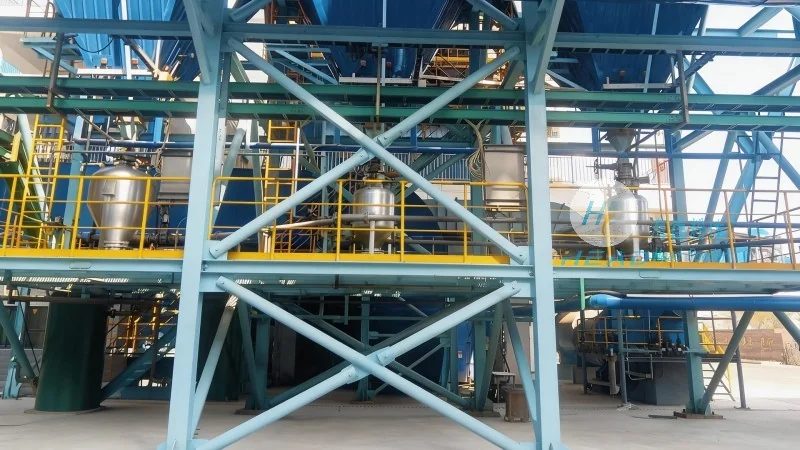
Introduction to Sodium Nitrate Pneumatic Conveying
Sodium nitrate, a white crystalline solid, is widely used in various industries including agriculture, food processing, and chemical manufacturing. Its handling requires specialized equipment due to its properties, such as hygroscopic nature and potential for dust generation. Pneumatic conveying offers a dry and dust-free method to transport sodium nitrate, minimizing contamination and improving operational efficiency. The system typically consists of a hopper, a conveyor line, and a receiver, all connected by a network of pipes. The process begins with the material being fed into the hopper, where it is then drawn into the conveyor line by a vacuum or pressure source.
Key Components of a Pneumatic Conveying System for Sodium Nitrate
The design of a pneumatic conveying system for sodium nitrate involves several critical components that work in tandem to ensure smooth material transport. The primary components include the material hopper, which stores the sodium nitrate and provides a controlled feed to the system. The hopper is equipped with a feeder, such as a rotary valve or a screw feeder, to regulate the flow of material into the conveyor line. The conveyor line itself is made of materials resistant to corrosion and wear, such as stainless steel or special alloys, to withstand the chemical properties of sodium nitrate. The air or gas source, often a blower or a vacuum pump, provides the necessary pressure or suction to move the material through the pipeline. Additionally, the system includes a receiver or a discharge hopper at the end of the line, where the sodium nitrate is collected and stored. Filters and cyclones may also be integrated to separate any fine particles from the air stream, ensuring clean air is returned to the system or released safely.
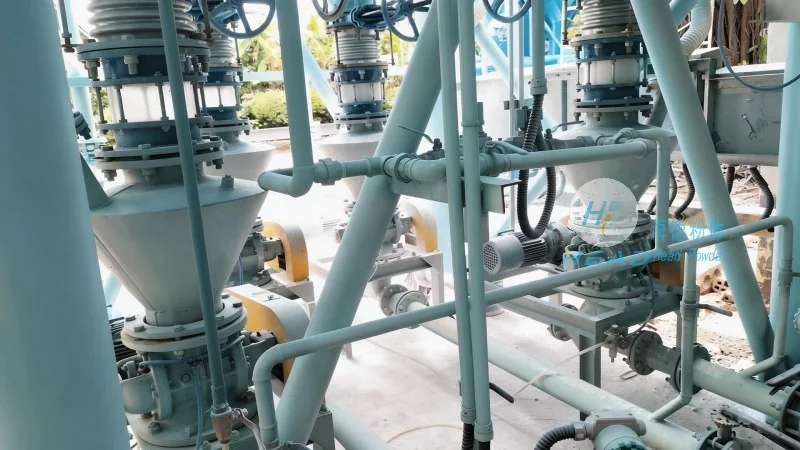
Design Principles for Efficient Sodium Nitrate Pneumatic Conveying
Designing an effective pneumatic conveying system for sodium nitrate requires careful consideration of several factors to maximize efficiency and minimize operational issues. One of the key principles is maintaining a consistent air velocity within the pipeline. The air velocity must be high enough to prevent the material from settling or clogging the line but low enough to avoid excessive wear on the equipment. The design also considers the particle size and density of the sodium nitrate, as these properties affect the required air flow rate and pressure. For example, finer particles may require higher air velocities to ensure proper suspension. Another critical principle is the system's pressure or vacuum level. The appropriate pressure or vacuum is determined based on the distance the material needs to travel and the height of the vertical sections in the pipeline. A well-designed system ensures that the pressure or vacuum is sufficient to overcome the resistance caused by friction and elevation changes. Furthermore, the system's layout, including the number and angle of bends, is optimized to minimize pressure losses and prevent material buildup in the pipeline. The use of smooth, non-porous pipe surfaces and proper sealing of joints is essential to maintain the integrity of the conveying process and prevent leaks.
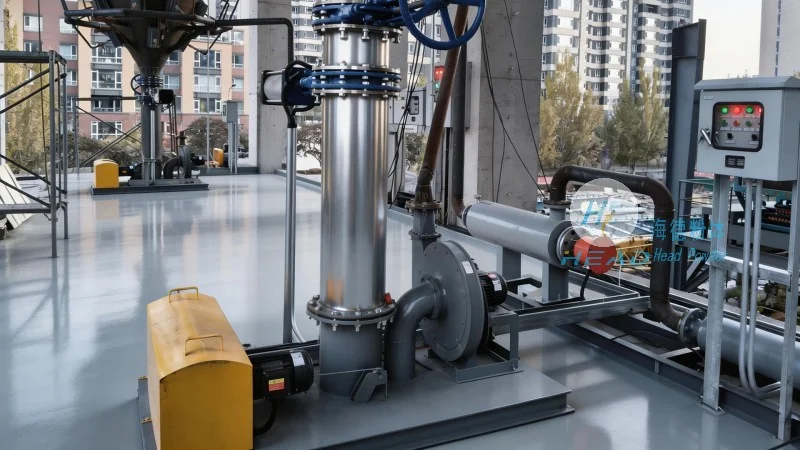
Operational Considerations and Safety Measures
Operational considerations and safety measures are paramount when implementing a pneumatic conveying system for sodium nitrate. Regular maintenance of the system components, such as the feeder, blower, and filters, is essential to ensure consistent performance and prevent downtime. The system should be equipped with monitoring devices to track air pressure, flow rate, and material level, allowing for real-time adjustments and troubleshooting. Safety measures include proper ventilation to remove any dust or fumes generated during the conveying process, as sodium nitrate can be irritating to the respiratory system. The system should also be designed with explosion-proof components if the material is being transported in an environment with flammable gases or dust. Additionally, the use of appropriate personal protective equipment (PPE) by operators, such as respirators and gloves, is necessary to minimize exposure to the material and any potential contaminants.
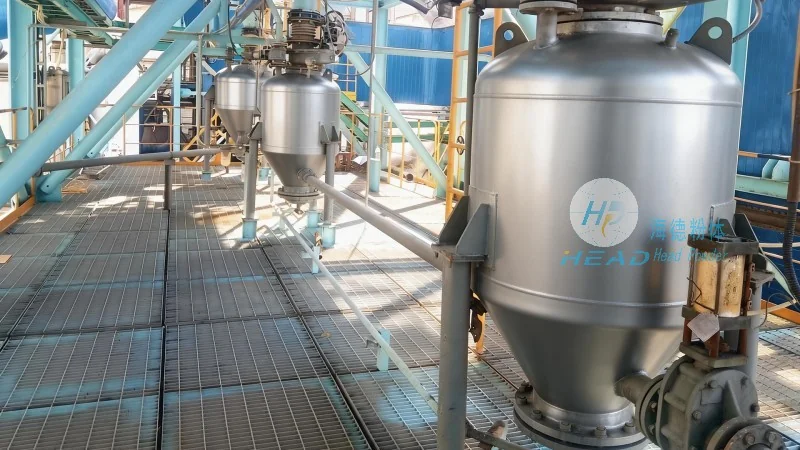
Applications and Benefits of Sodium Nitrate Pneumatic Conveying
The pneumatic conveying of sodium nitrate finds applications in various industrial sectors, including fertilizer production, food processing, and chemical manufacturing. In fertilizer plants, the system is used to transport sodium nitrate from storage silos to processing units, ensuring a continuous and efficient supply of raw material. In food processing facilities, the system helps in moving sodium nitrate for use in food preservation and flavoring, maintaining product quality and safety. The benefits of this method include reduced labor costs, improved material handling efficiency, and minimized contamination compared to traditional methods like bucket elevators or belt conveyors. The dry and dust-free nature of pneumatic conveying also helps in maintaining a clean and safe working environment, which is crucial in industries where hygiene is a priority.
Conclusion: The Role of Shandong HeadPowder Engineering Co., Ltd. in Pneumatic Conveying Solutions
Shandong HeadPowder Engineering Co., Ltd., a leading provider of material handling solutions, specializes in designing and manufacturing pneumatic conveying systems tailored to the needs of sodium nitrate and other bulk materials. With years of experience in the industry, the company has developed advanced systems that incorporate the latest design principles and technologies to ensure optimal performance and reliability. The company's expertise in material handling engineering, combined with a commitment to quality and customer satisfaction, makes it a trusted partner for businesses seeking efficient and safe transportation solutions. By leveraging their knowledge and experience, Shandong HeadPowder Engineering Co., Ltd. helps industries improve their operational efficiency, reduce costs, and enhance product quality through innovative pneumatic conveying solutions.