With more than 10‑year industry experience, Shandong Headpowder delivers full‑service pneumatic‑conveying systems and blowers, undertaking nationwide turn‑key powder‑handling projects.
Stone powder, a common material in industrial applications, often requires efficient and reliable transportation methods to move it from one location to another. Pneumatic conveying systems have emerged as a sophisticated solution for handling such materials, offering advantages like dust-free operation, flexibility, and the ability to transport materials over long distances. This article provides an overview of stone powder pneumatic conveying, detailing the working principles and key components of such systems.
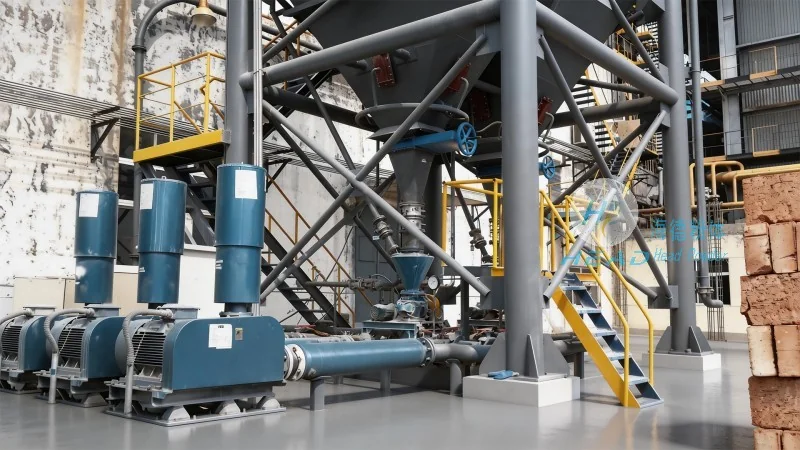
Stone powder, typically derived from limestone, quartz, or other mineral sources, is a fine particulate material that poses unique challenges during handling. Traditional methods like belt conveyors or bucket elevators may struggle with dust generation, material segregation, and the risk of clogging. Pneumatic conveying addresses these issues by using compressed air or gas to transport the material in a sealed system. This approach not only minimizes dust exposure but also allows for the safe and efficient movement of stone powder in various industrial settings.
Pneumatic conveying systems operate on the principle of transporting bulk materials by suspending them in a stream of air. The process begins with the material being introduced into a hopper or feeder, where it is then drawn into a pipeline by a vacuum or pressure source. The air velocity is carefully controlled to ensure the particles remain suspended and are transported to the destination. The system typically consists of several key components, including a feed device, a conveying line, a separation unit, and a collection tank. Each component plays a critical role in ensuring the efficient and reliable operation of the system.
1. Feed Device: This component is responsible for introducing the stone powder into the conveying line. It can be a rotary valve, a screw feeder, or a hopper with a gate mechanism. The feed device ensures a consistent flow of material into the system, preventing blockages and maintaining system efficiency.

2. Conveying Line: The pipeline through which the stone powder and air travel. The diameter and length of the line are critical factors, as they affect the air velocity and pressure required for effective transport. Proper design of the line, including bends and fittings, minimizes pressure losses and ensures smooth material flow.
3. Separation Unit: After the material reaches its destination, the air and powder need to be separated. This is typically achieved using a cyclone separator or a filter. The separated air is then either vented or recirculated back into the system, while the stone powder is collected in a hopper or storage bin.
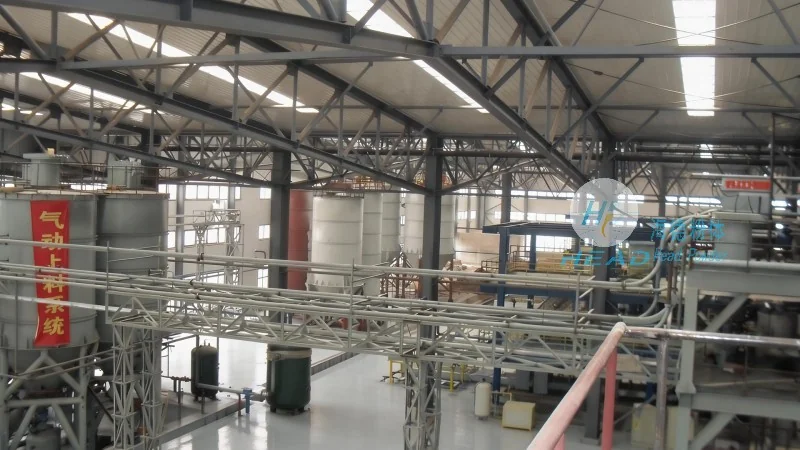
4. Collection Tank: The final component where the stone powder is deposited. It may include a silo or a storage bin, allowing for further processing or use. The design of the collection tank must accommodate the material's characteristics, such as its density and flowability.
Pneumatic conveying systems are widely used in industries that handle stone powder, including construction, mining, and manufacturing. In construction, they are used to transport limestone or quartz for concrete production, ensuring a consistent supply of raw materials. In mining operations, they help move crushed stone or mineral powders from processing plants to storage facilities or shipping points. The flexibility of pneumatic systems allows them to be adapted to various applications, from short-distance transport to long-distance pipelines.
Shandong HeadPowder Engineering Co., Ltd., commonly known as HeadPowder, is a leading manufacturer and supplier of pneumatic conveying systems tailored for stone powder and other bulk materials. With a focus on innovation and quality, HeadPowder has established itself as a trusted partner in the industry, providing customized solutions that meet the specific needs of clients. The company's headquarters is located in Shandong, China, where it leverages advanced technology and expertise to develop efficient and reliable conveying systems. HeadPowder's commitment to customer satisfaction and product excellence has made it a preferred choice for businesses seeking to optimize their material handling processes.

 Shandong Headpowder Engineering Co., Ltd.
 156-6277-7102(Manager Zhang)
  0531-83386006
  Zhangqiu District, Jinan City, Shandong Province, China
telephone
WeChatconsult
top