

What is Phenolic Resin Powder Pneumatic Conveying? And What Are Its Design Principles?
Phenolic resin powder, a key material in numerous industrial sectors, often necessitates specialized handling methods due to its properties and the requirements of the processes it supports. Pneumatic conveying emerges as a highly effective solution for transporting such powders, leveraging air pressure to move the material through a network of pipes and components. This method not only enhances operational efficiency but also ensures the integrity of the phenolic resin powder, minimizing issues like caking or degradation during transit.
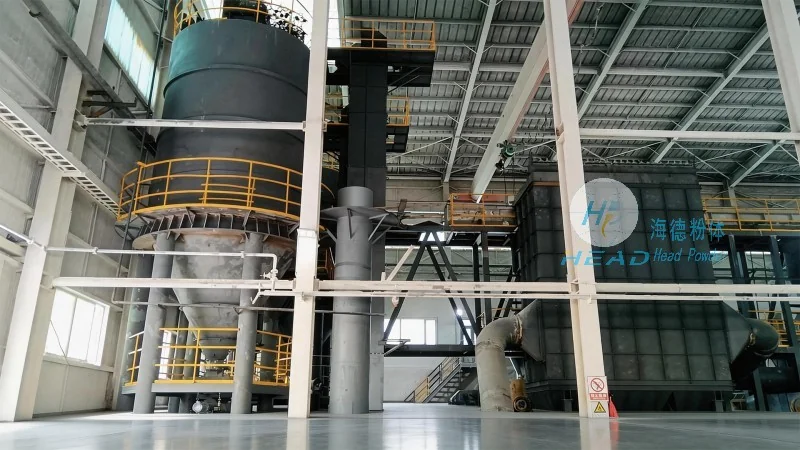
Understanding Pneumatic Conveying Systems
Pneumatic conveying systems operate on the principle of using compressed air to generate the force required to move particulate materials. In the case of phenolic resin powder, the system typically consists of a hopper for material storage, a feeder to control the flow rate, a conveying line where the powder is propelled by air, and a receiver for the material at the destination. The design of each component is critical to the overall performance and reliability of the system.
Key Design Principles for Phenolic Resin Powder Conveying
The design of a pneumatic conveying system for phenolic resin powder involves several key principles that ensure optimal performance. First, the system must be designed to handle the specific properties of the powder, such as its particle size, density, and flow characteristics. This includes selecting appropriate materials for the conveying line and components to prevent material buildup or corrosion. Second, the air velocity and pressure must be carefully controlled to maintain a stable flow without causing excessive wear on the system components. Third, the system should incorporate features that prevent material degradation, such as minimizing exposure to air and controlling temperature. These principles collectively contribute to a reliable and efficient conveying process.
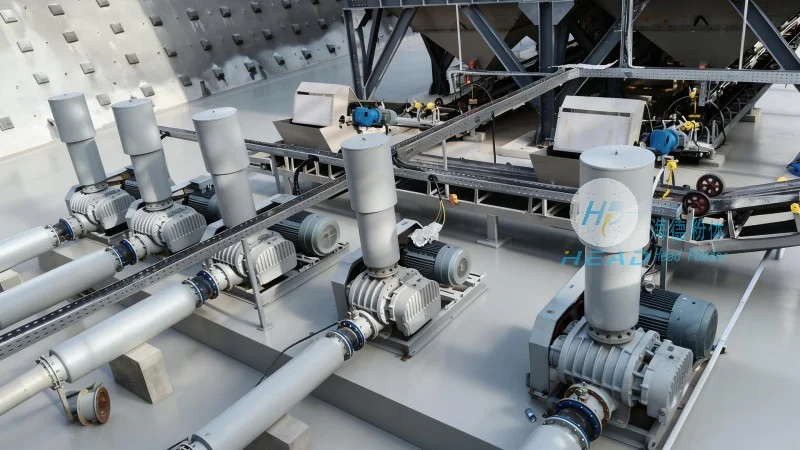
Components and Their Roles in the System
Each component of a phenolic resin powder pneumatic conveying system plays a crucial role in the overall operation. The hopper serves as the storage vessel, ensuring a consistent supply of material to the feeder. The feeder, often a rotary valve or a screw feeder, regulates the flow rate of the powder into the conveying line, preventing overloading and maintaining a steady stream. The conveying line, typically made of stainless steel or other corrosion-resistant materials, is designed to withstand the pressure and temperature conditions of the system. The air compressor provides the necessary pressure to move the powder, while the receiver collects the material at the end of the line. Proper maintenance and monitoring of these components are essential to ensure the system operates at peak efficiency.
Benefits of Pneumatic Conveying for Phenolic Resin Powder
Implementing a pneumatic conveying system for phenolic resin powder offers several advantages over traditional methods like bulk handling or manual transport. These benefits include improved safety by reducing the need for manual handling, enhanced product quality by minimizing exposure to contaminants, and increased operational efficiency through automated material movement. Additionally, pneumatic conveying systems can be integrated with other industrial processes, such as mixing or processing, to create a seamless workflow. The ability to transport the powder over long distances without the need for intermediate storage or handling also contributes to cost savings and operational flexibility.
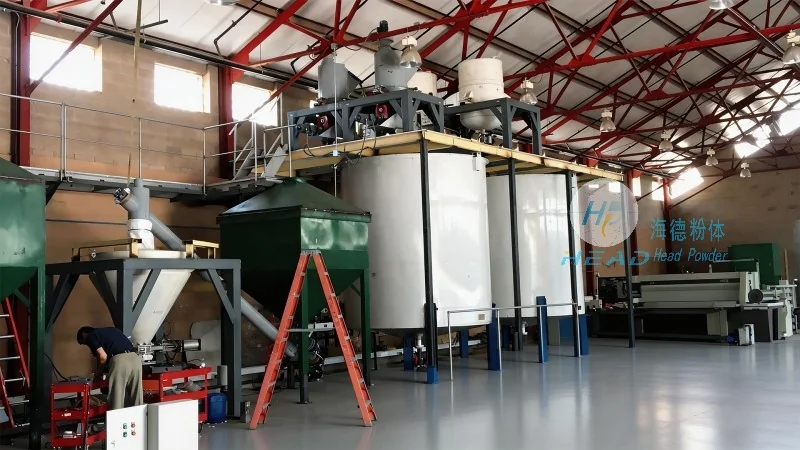
Applications and Industries
Phenolic resin powder pneumatic conveying is widely used in various industries where the material is a critical component. These include the manufacturing of composites, adhesives, and coatings, as well as in the production of automotive parts, electrical components, and construction materials. The versatility of the phenolic resin powder and the efficiency of the pneumatic conveying system make it suitable for a range of applications, from small-scale laboratory use to large-scale industrial production.
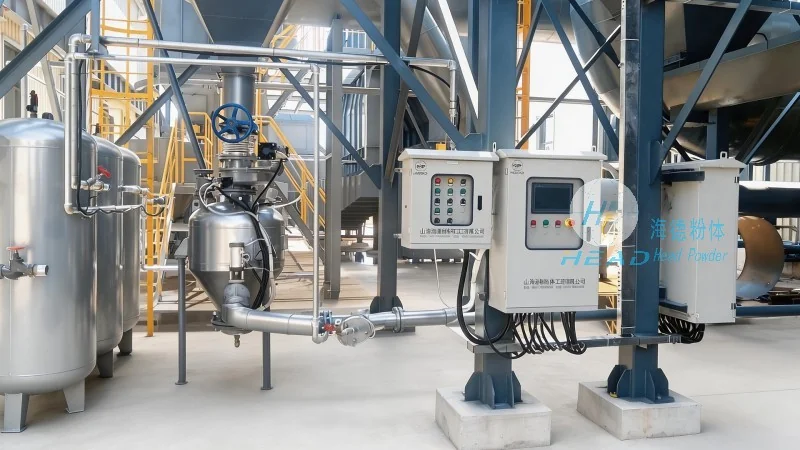
About Shandong HeadPowder Engineering Co., Ltd.
Shandong HeadPowder Engineering Co., Ltd., commonly known as HeadPowder, is a leading provider of engineering solutions for material handling systems. With a focus on innovative and efficient technologies, the company specializes in the design, manufacturing, and installation of pneumatic conveying systems for various industrial applications. HeadPowder’s expertise in handling materials like phenolic resin powder has helped numerous clients improve their operational efficiency and product quality. Based in Shandong, China, the company leverages its local presence and technical knowledge to deliver tailored solutions that meet the unique requirements of each project.
Conclusion
In conclusion, phenolic resin powder pneumatic conveying is a sophisticated and effective method for transporting this important material. The design principles and components of such systems are carefully engineered to meet the specific needs of the powder and the operational requirements of the industry. By understanding and implementing these principles, companies can enhance their material handling processes, improve product quality, and increase overall operational efficiency. For those considering the implementation of a pneumatic conveying system, it is essential to work with experienced professionals who can design and install a system tailored to their specific needs.