

What is Potato Material Pneumatic Conveying? What are the Design Principles?
Pneumatic conveying systems are widely used in the agricultural and food processing industries to transport bulk materials like potatoes efficiently and safely. For potato processing facilities, these systems offer a reliable method to move raw potatoes from storage to processing lines without the need for mechanical components that can cause contamination or damage to the product. Understanding the fundamentals of pneumatic conveying for potato materials is crucial for optimizing production processes and ensuring product quality.
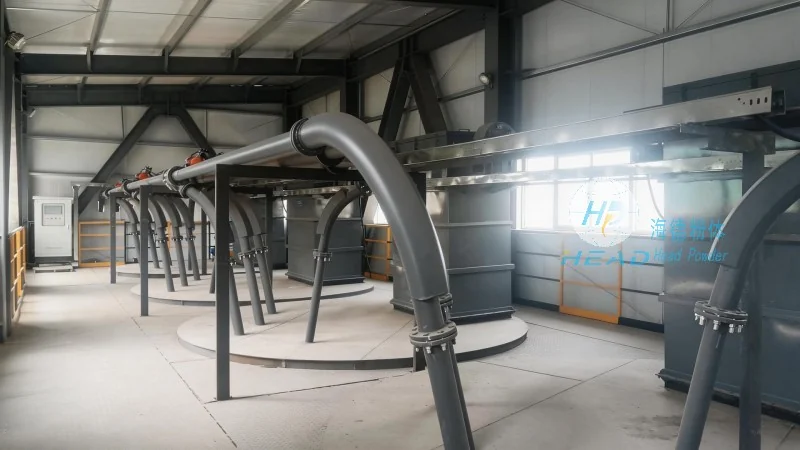
Understanding Pneumatic Conveying Systems for Potato Processing
Pneumatic conveying involves the use of air to transport solid materials through a pipeline. In the context of potato processing, this technology is particularly valuable because potatoes are often handled in large quantities and require gentle handling to maintain their quality. The system typically consists of a hopper to hold the potatoes, a blower or compressor to generate the air flow, and a pipeline network that transports the material to the processing area. The design of the system must consider factors such as the size and shape of the potatoes, the moisture content, and the desired conveying distance.
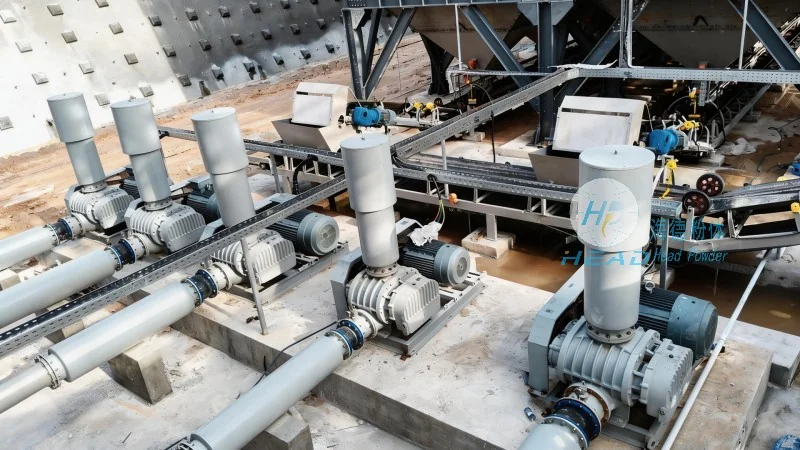
Key Design Principles in Potato Material Handling
Several critical design principles guide the development of effective potato pneumatic conveying systems. First, the system must ensure that the potatoes are conveyed without excessive pressure or friction, which could lead to bruising or damage. This is achieved by using appropriate air velocities and pipeline diameters. Engineers calculate the required air velocity based on the potato's size and density, typically ranging from 10 to 20 meters per second for efficient transport. The pipeline diameter is chosen to balance the air flow rate and the material's flow characteristics, preventing blockages and ensuring smooth movement. Second, the system should minimize the risk of product degradation by maintaining consistent air flow and temperature. Temperature control is crucial, as high temperatures can cause the potatoes to sprout or lose moisture. The blower and pipeline materials are selected to maintain a stable temperature, often around room temperature, to preserve the potato's quality. Third, the design must account for the varying properties of different potato varieties, as some may be more delicate than others. For example, smaller or more irregularly shaped potatoes may require a gentler conveying system with lower air velocities to prevent damage. Shandong HeadPowder Engineering Co., Ltd. specializes in tailoring these systems to meet the specific needs of potato processors, ensuring optimal performance and product integrity by considering these factors in the design process.
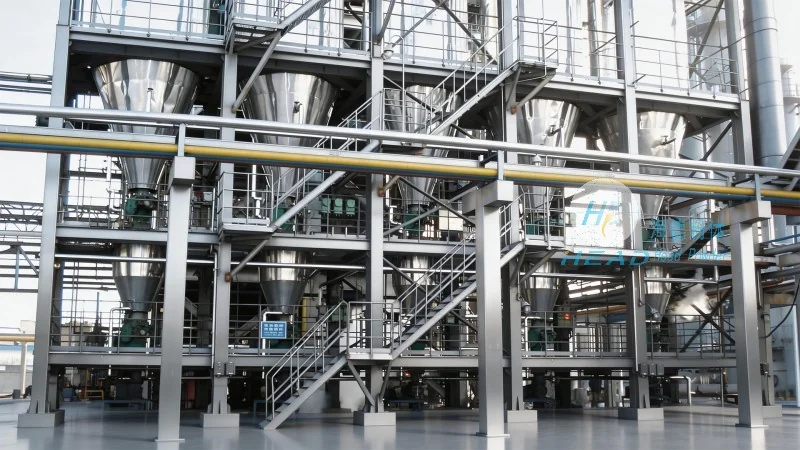
Components and Their Roles in the System
A typical potato pneumatic conveying system includes several key components, each playing a vital role in the overall operation. The hopper serves as the storage and feeding unit, allowing potatoes to be fed into the system at a controlled rate. The blower or compressor generates the necessary air pressure to move the material through the pipeline. The pipeline network, often made of stainless steel or other corrosion-resistant materials, transports the potatoes from the hopper to the processing equipment. Additionally, the system may include filters and cyclones to separate the potatoes from the air and return the air to the blower for reuse. These components work together to create a seamless and efficient conveying process.
Practical Applications and Benefits
Potato pneumatic conveying systems are used in various stages of potato processing, from raw material handling to final product packaging. In the initial stages, the system can transport potatoes from storage silos or fields to the processing plant, reducing the need for manual labor and minimizing the risk of contamination. During processing, the system can move potatoes to washing, peeling, or cutting machines, ensuring a continuous flow of material. The benefits of using pneumatic conveying for potato materials include improved product quality, reduced labor costs, and increased operational efficiency. Additionally, the system can be designed to handle different potato sizes and varieties, making it a versatile solution for various processing needs.
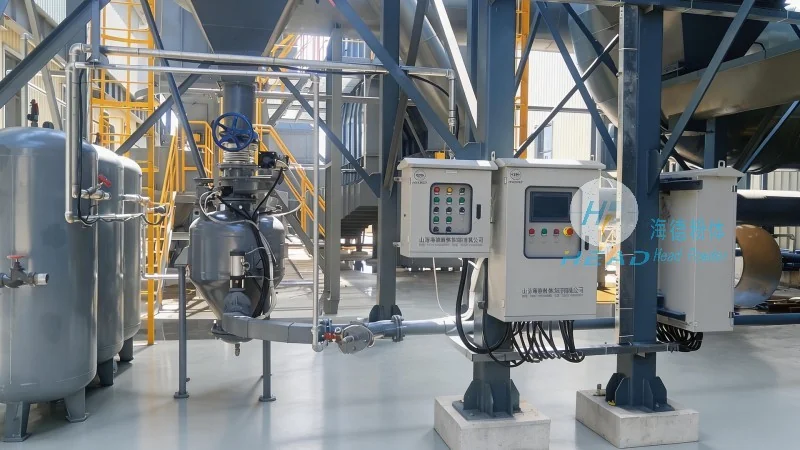
About Shandong HeadPowder Engineering Co., Ltd.
Shandong HeadPowder Engineering Co., Ltd., commonly known as HeadPowder, is a leading manufacturer of pneumatic conveying systems and related equipment for the food processing industry. With years of experience in the field, the company specializes in designing and manufacturing customized solutions for potato and other agricultural products. HeadPowder's team of engineers and technicians work closely with clients to understand their specific requirements and develop systems that meet their needs. The company's headquarters is located in Shandong, China, and it serves clients worldwide with high-quality products and reliable service. By leveraging advanced technology and a commitment to quality, HeadPowder helps potato processors improve their operations and achieve better results.