With more than 10‑year industry experience, Shandong Headpowder delivers full‑service pneumatic‑conveying systems and blowers, undertaking nationwide turn‑key powder‑handling projects.
This article provides an overview of pneumatic conveying systems specifically designed for oat flour, exploring the different types of pneumatic conveying and their practical applications. As a key component in the processing and handling of oat flour, understanding the principles and classifications of pneumatic conveying is essential for optimizing operational efficiency and maintaining product quality. The content is presented by Shandong HeadPowder Engineering Co., Ltd., a leading provider of engineering solutions for powder handling in the food industry.
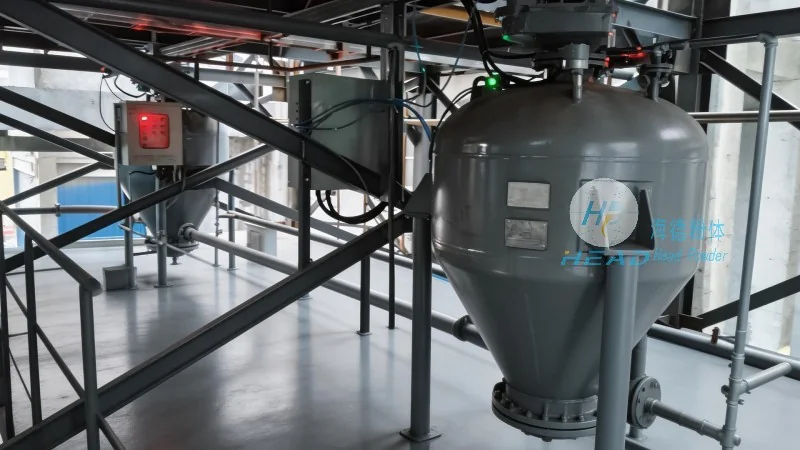
Shandong HeadPowder Engineering Co., Ltd., commonly known as HeadPowder, is a professional manufacturer and supplier specializing in powder handling equipment and engineering solutions. With a focus on the food industry, particularly in the processing of oat flour and other fine powders, the company has established itself as a trusted partner for businesses seeking reliable and efficient pneumatic conveying systems. HeadPowder is headquartered in Shandong, China, and is committed to delivering high-quality products and services tailored to the unique needs of its clients.
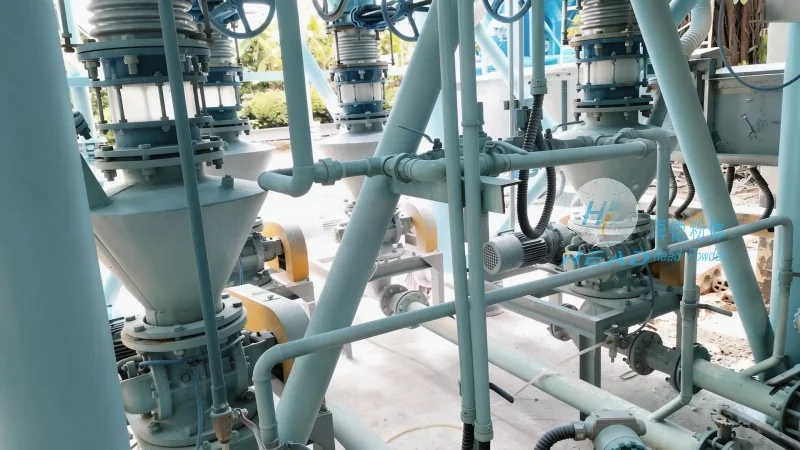
Pneumatic conveying, also known as pneumatic transport, is a method of transporting bulk materials, such as oat flour, through a pipeline using air or gas as the conveying medium. In the context of oat flour, this technology is used to move the fine powder from storage silos, processing equipment, or packaging lines without the need for mechanical components like conveyor belts or buckets. The process involves creating a pressure differential within the pipeline, which draws the oat flour into the system and transports it to the desired destination. This method offers several advantages, including the ability to handle fine powders that are prone to caking or bridging, as well as the flexibility to integrate with existing processing lines.
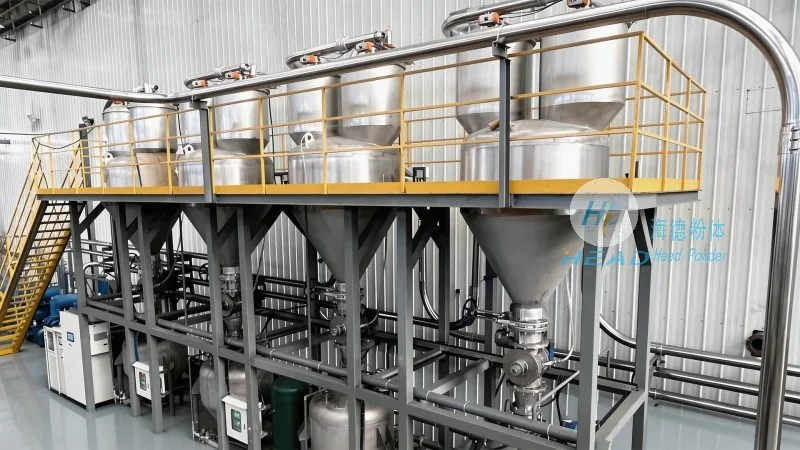
Pneumatic conveying systems are typically classified based on the pressure used to move the material. The two main categories are pressure and vacuum systems. Pressure systems operate by forcing air or gas into the pipeline, creating a positive pressure that pushes the material forward. These systems are commonly used for short to medium distance conveying and are suitable for handling materials that are non-abrasive and have a relatively low moisture content. Vacuum systems, on the other hand, use a vacuum pump to create a negative pressure in the pipeline, which draws the material into the system. This type of system is ideal for longer distances and for handling materials that are more abrasive or have higher moisture levels. Within these categories, there are further subtypes, such as dilute phase and dense phase systems, which differ in the amount of air used relative to the material being conveyed. Dilute phase systems use a large volume of air to transport the material, resulting in a low material-to-air ratio, while dense phase systems use a smaller volume of air, leading to a higher material-to-air ratio and more efficient transport.
The application of pneumatic conveying in the processing of oat flour is widespread across various stages of the production line. In the initial stages, pneumatic conveying is used to transfer oat flour from storage silos to processing equipment, such as mills or mixers. This ensures a continuous and consistent supply of raw material, minimizing downtime and improving overall production efficiency. During the processing stage, pneumatic conveying can be used to transport the flour between different processing units, such as from a grinder to a sifter or from a mixer to a dryer. This allows for seamless integration of the processing steps and helps maintain the quality of the oat flour by preventing contamination or degradation. In the final stages, pneumatic conveying is employed to move the finished oat flour from the processing line to packaging machines or storage containers. This method ensures that the product is handled gently, preserving its texture and flavor, which is crucial for consumer acceptance. Additionally, pneumatic conveying can be used in quality control processes, such as sampling or testing, where small quantities of oat flour need to be transported to analytical equipment without manual handling.
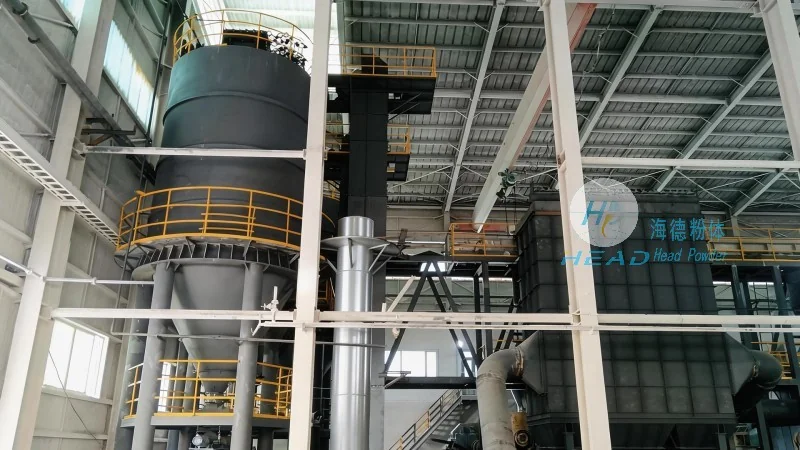
Pneumatic conveying is a vital technology in the handling of oat flour, offering efficient, reliable, and hygienic solutions for various applications. By understanding the different classifications and applications of pneumatic conveying systems, businesses can select the most appropriate technology to meet their specific needs, thereby optimizing their operations and enhancing product quality. Shandong HeadPowder Engineering Co., Ltd. continues to provide advanced pneumatic conveying solutions tailored to the requirements of the food industry, ensuring that clients can achieve their production goals with minimal downtime and maximum efficiency.

 Shandong Headpowder Engineering Co., Ltd.
 156-6277-7102(Manager Zhang)
  0531-83386006
  Zhangqiu District, Jinan City, Shandong Province, China
telephone
WeChatconsult
top