

What is a hydrated lime powder material conveying line? What are its design principles?
Hydrated lime powder material conveying lines are specialized systems engineered to transport hydrated lime powder efficiently and safely. These systems are crucial in various industrial applications, particularly in the manufacturing and processing of lime-based products. Shandong HeadPowder Engineering Co., Ltd., a leading provider in the field, specializes in designing and manufacturing such conveying systems tailored to meet the unique needs of clients across different industries.
Understanding Hydrated Lime Powder and Its Handling Requirements
Hydrated lime, also known as slaked lime, is a white or gray powder derived from the chemical reaction of quicklime with water. It is widely used in industries such as construction, agriculture, water treatment, and chemical manufacturing due to its alkaline properties and reactivity. Handling hydrated lime powder requires specialized equipment due to its fine particle size, dust generation potential, and the need to prevent caking or blockages in the conveying system.
Key Components of a Hydrated Lime Powder Conveying Line
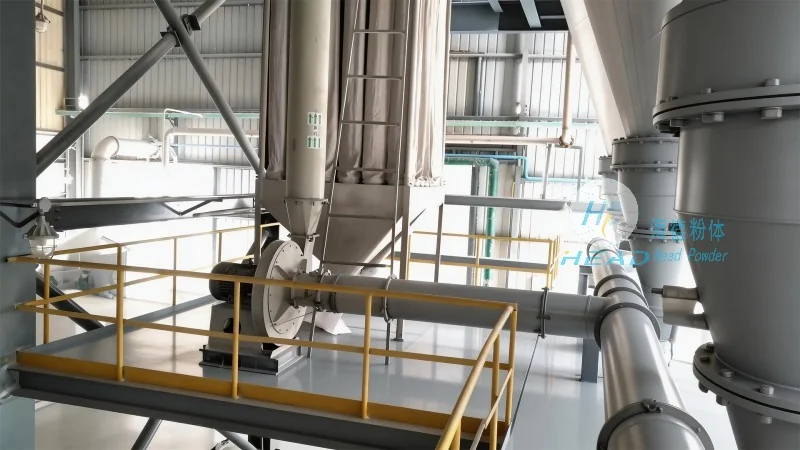
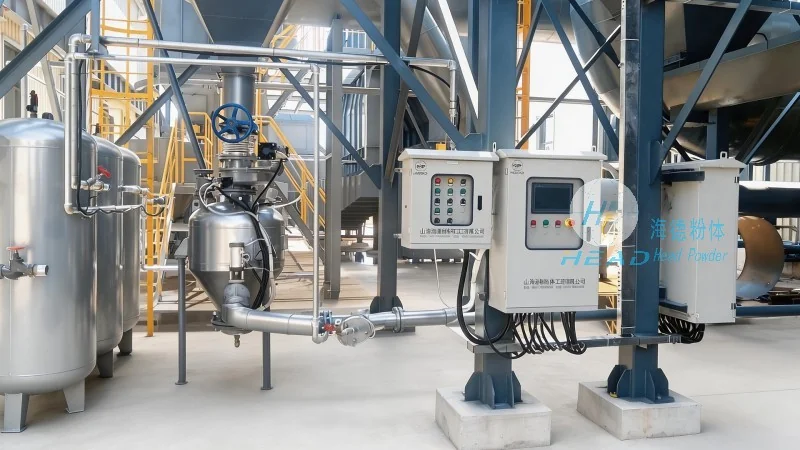
A typical hydrated lime powder conveying line consists of several key components that work in tandem to ensure smooth material transport. These components include feed hoppers, screw conveyors or pneumatic ducts, dust collection systems, and control panels. Each component is designed to address specific challenges associated with transporting fine powders like hydrated lime.
Design Principles for Efficient Material Conveying
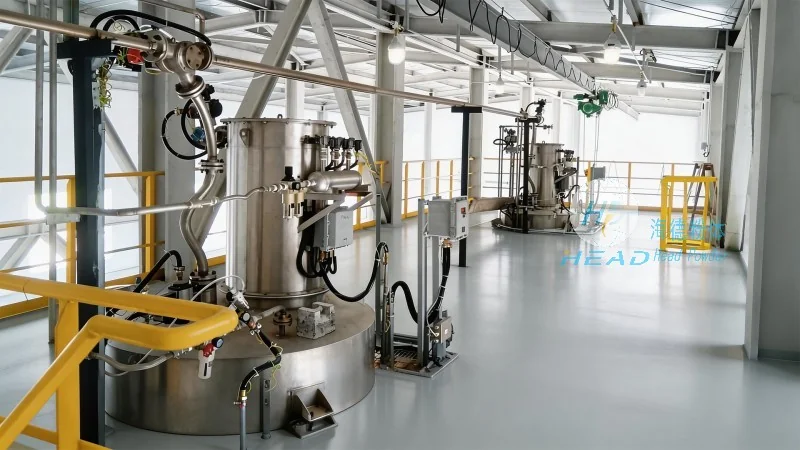
The design of a hydrated lime powder conveying line is based on several fundamental principles to maximize efficiency and minimize operational issues. One of the primary principles is the use of appropriate material handling equipment that can handle the specific characteristics of hydrated lime powder, such as its flowability and tendency to form clumps. Another critical principle is the incorporation of dust control measures to ensure workplace safety and compliance with environmental regulations.
Role of Material Properties in Conveying System Design
The physical and chemical properties of hydrated lime powder significantly influence the design of the conveying system. For instance, the powder's particle size distribution affects its flowability and the risk of blockages in the ductwork. The material's reactivity with moisture also necessitates the use of sealed or enclosed systems to prevent premature hydration or caking. Engineers must consider these properties to select the most suitable conveying method, whether it's a screw conveyor, pneumatic system, or a combination of both.
Ensuring Safety and Compliance in Conveying Operations
Due to the dust and potential health hazards associated with hydrated lime powder, safety is a paramount consideration in the design and operation of conveying lines. Proper ventilation, dust collection systems, and personal protective equipment (PPE) are essential to protect workers and maintain a safe working environment. Additionally, the design must comply with local and international regulations regarding dust emissions and material handling safety.
Applications and Industries Utilizing Hydrated Lime Powder Conveying Lines
Hydrated lime powder conveying lines are widely used in various industries where the material is a key component. In the construction industry, they are used for lime mortar production and soil stabilization. In agriculture, they are applied as a soil amendment and for water treatment purposes. The chemical industry also utilizes hydrated lime in the production of other chemicals and as a neutralizing agent. The versatility of hydrated lime makes these conveying systems essential in these sectors.
Conclusion: The Importance of Specialized Conveying Solutions
In conclusion, hydrated lime powder material conveying lines are sophisticated systems that play a vital role in the efficient and safe handling of this essential industrial material. The design principles, component selection, and safety considerations all contribute to the overall effectiveness of these systems. As demand for hydrated lime continues to grow across various industries, the development of advanced conveying solutions remains critical to meeting operational needs while ensuring compliance with safety and environmental standards.