With more than 10‑year industry experience, Shandong Headpowder delivers full‑service pneumatic‑conveying systems and blowers, undertaking nationwide turn‑key powder‑handling projects.
Slag material conveying lines are essential industrial systems engineered to transport slag—a byproduct of metal smelting and other industrial processes—from one location to another. These systems are crucial for efficient material handling in various industrial applications, ensuring that slag is moved safely, efficiently, and in compliance with environmental regulations. Understanding the components and design principles of such lines is vital for optimizing industrial operations and maintaining operational safety.
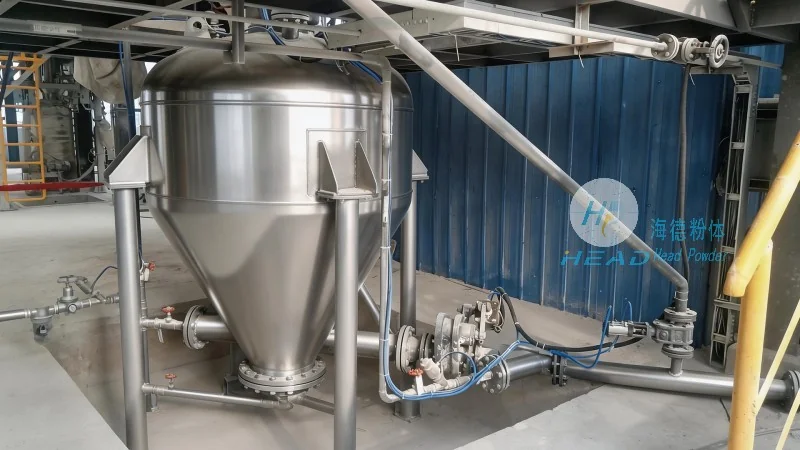
A slag material conveying line is a specialized system designed to handle and transport slag, which is a non-metallic byproduct formed during the smelting of metals like iron, steel, or non-ferrous metals. The primary purpose of these lines is to move slag from the point of generation to a disposal or processing site. This process is critical for maintaining production efficiency, as it allows for continuous operation without interruptions caused by manual handling of heavy and often hazardous materials. The design of these systems must consider the physical properties of slag, such as its density, temperature, and abrasiveness, to ensure optimal performance and longevity. Such systems are commonly utilized by industrial facilities, including those operated by companies like Shandong HeadPowder Engineering Co., Ltd., which specializes in providing tailored material handling solutions for diverse industrial needs.
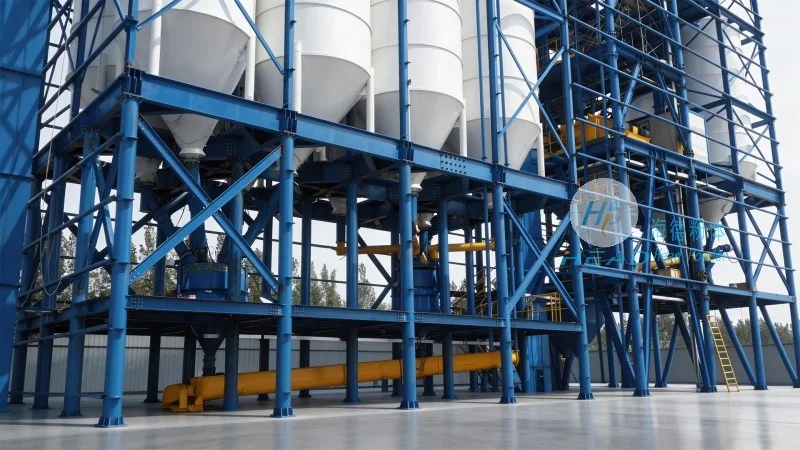
The design of a slag material conveying line typically involves several key components, each playing a crucial role in the overall operation. The primary components include feeders, conveyors (such as belt conveyors or screw conveyors), control systems, and sometimes auxiliary equipment like crushers or screens. Feeders are used to regulate the flow of slag from the source, ensuring a consistent and controlled feed to the conveyor. Conveyors, often heavy-duty and designed to withstand high temperatures and abrasive materials, transport the slag over long distances. Control systems manage the operation of the entire line, including speed adjustments, safety interlocks, and monitoring of key parameters like temperature and pressure. Auxiliary equipment may be included to process the slag further, such as crushing it to a manageable size before transport or separating it into different fractions. These components are engineered to work in harmony, ensuring that the conveying line operates smoothly and reliably, even under demanding conditions.
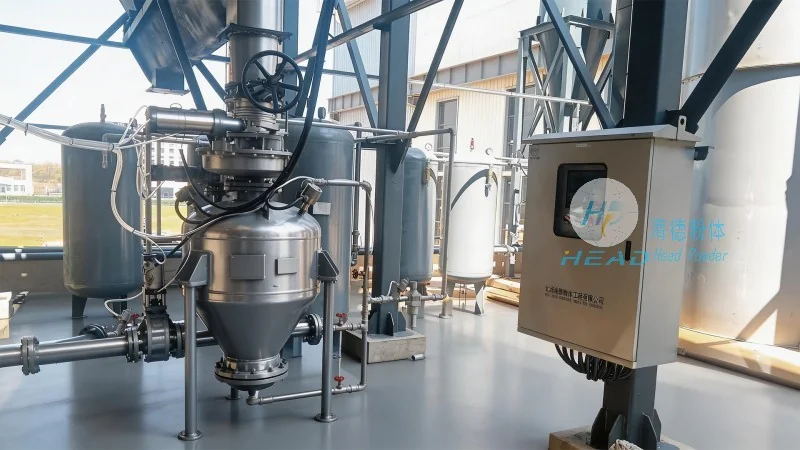
The design of a slag material conveying line is guided by several key principles to ensure efficiency, safety, and durability. First, the system must be designed to handle the specific physical properties of the slag, including its temperature (which can be extremely high), density, and abrasiveness. This often involves using specialized materials for the conveyor components, such as high-strength steel or heat-resistant alloys, to prevent wear and tear. Second, the line must be engineered for continuous operation, with minimal downtime for maintenance or repairs. This is achieved through robust construction, regular maintenance schedules, and the use of reliable components. Third, safety is a paramount consideration, as slag can be hazardous due to its temperature and potential chemical composition. The design must include safety features like temperature sensors, emergency stop mechanisms, and protective enclosures to prevent accidents and ensure worker safety. Fourth, the system should be designed for scalability and adaptability, allowing for future modifications or expansions as industrial needs change. This flexibility ensures that the conveying line remains effective and efficient over its operational lifespan. Companies like Shandong HeadPowder Engineering Co., Ltd. emphasize these principles in their design and manufacturing processes to deliver high-quality conveying solutions.
Slag material conveying lines are widely used in various industries that generate slag as a byproduct. The most common applications include the iron and steel industry, where slag is produced during the smelting of iron ore to produce steel. Other industries that utilize these systems include non-ferrous metal smelting (such as copper, aluminum, and zinc), cement production, and power generation from coal or other fossil fuels. In these industries, the conveying line is an integral part of the overall material handling system, ensuring that slag is moved from the furnace or reactor to a disposal site or a processing facility where it can be further utilized or disposed of safely. The efficiency of the conveying line directly impacts the overall productivity of the industrial plant, as it allows for continuous production without interruptions caused by manual handling of slag. Shandong HeadPowder Engineering Co., Ltd., based in China, provides customized conveying solutions tailored to the specific requirements of these industries.
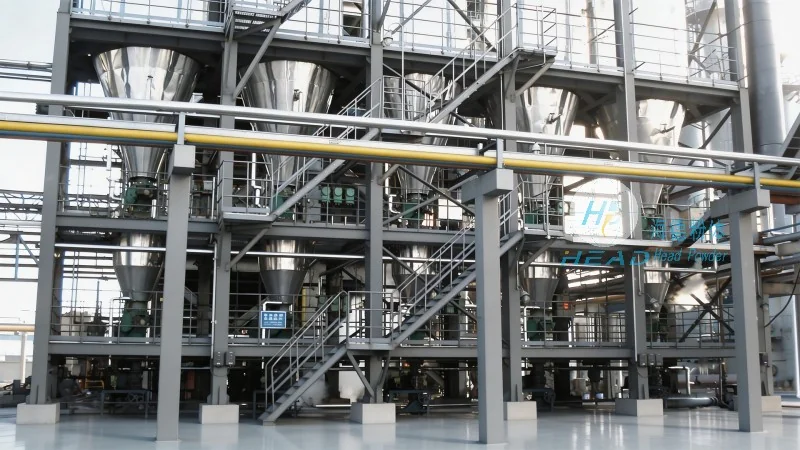
Implementing a well-designed slag material conveying line offers numerous advantages for industrial operations. First, it significantly improves operational efficiency by automating the transport of slag, reducing the need for manual labor and minimizing downtime. This leads to increased production output and reduced labor costs. Second, the system enhances safety by removing workers from the hazardous environment of handling hot and abrasive slag, reducing the risk of accidents and injuries. Third, the use of specialized equipment ensures that the slag is transported in a controlled manner, minimizing environmental impact and ensuring compliance with environmental regulations. Fourth, the durability and reliability of modern conveying systems result in lower maintenance costs and longer operational lifespans, providing a better return on investment for industrial facilities. Finally, the scalability and adaptability of these systems allow for future expansions or modifications, ensuring that the conveying line remains effective as industrial needs evolve. Shandong HeadPowder Engineering Co., Ltd. specializes in designing and manufacturing such systems to meet the diverse needs of industrial clients.

 Shandong Headpowder Engineering Co., Ltd.
 156-6277-7102(Manager Zhang)
  0531-83386006
  Zhangqiu District, Jinan City, Shandong Province, China
telephone
WeChatconsult
top