With more than 10‑year industry experience, Shandong Headpowder delivers full‑service pneumatic‑conveying systems and blowers, undertaking nationwide turn‑key powder‑handling projects.
Micro-sand powder material conveying lines are specialized systems engineered to handle the transportation of fine powders, such as micro-sand, with precision and efficiency. These lines are critical in industrial applications where the reliable and clean transfer of micro-sand is essential for downstream processes. The design of these conveying systems is tailored to address the unique challenges posed by micro-sand, including its fine particle size, potential for dust generation, and the need for minimal product loss or contamination.
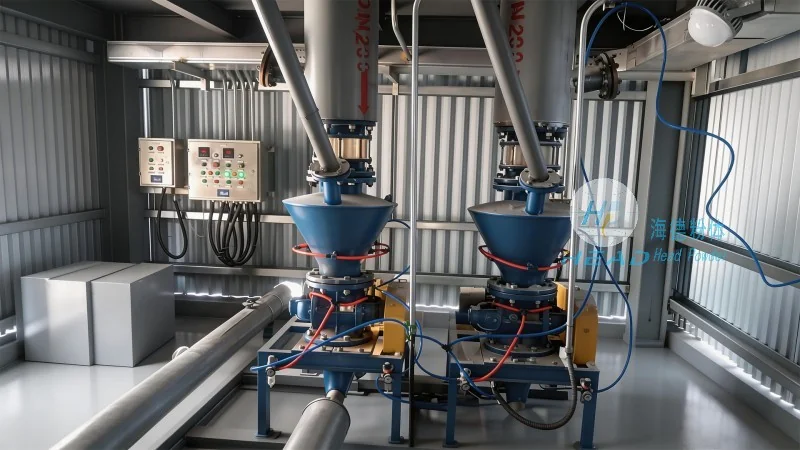
The core components of a micro-sand powder material conveying line typically include a hopper for material storage, a feeder to control the flow rate, a conveying mechanism (such as a screw conveyor, pneumatic conveyor, or a combination of both), and a receiving hopper or processing unit. The hopper is designed with smooth, non-stick surfaces to prevent material buildup and ensure consistent feeding. The feeder, often a rotary valve or a variable-speed screw feeder, regulates the flow of micro-sand, preventing overloading or underflow that could affect the conveying efficiency. The conveying mechanism is the heart of the system, responsible for moving the micro-sand from the source to the destination. For micro-sand, which is very fine and prone to dust, pneumatic conveying is often preferred due to its ability to handle fine powders with minimal particle degradation and reduced dust emissions compared to mechanical conveyors.
The design principles for micro-sand powder conveying lines prioritize several key factors to ensure optimal performance and reliability. First, the system must maintain a consistent flow rate to prevent surges or fluctuations that could lead to equipment wear or product degradation. This is achieved through precise control of the feeder and the conveying mechanism. Second, the system must minimize dust generation and ensure proper dust collection to comply with environmental regulations and maintain a safe working environment. This is typically accomplished by incorporating dust collection systems, such as cyclones or bag filters, at the discharge end of the conveyor. Third, the design must consider the material's properties, including its particle size distribution, moisture content, and flowability. Micro-sand has a very fine particle size, which can lead to caking or bridging in hoppers if not properly managed. Therefore, the hopper design often includes features like agitators or vibrators to prevent these issues. Fourth, the system must be constructed from materials that are compatible with the micro-sand and resistant to corrosion or wear. Common materials include stainless steel, which is non-reactive and durable for handling fine powders.
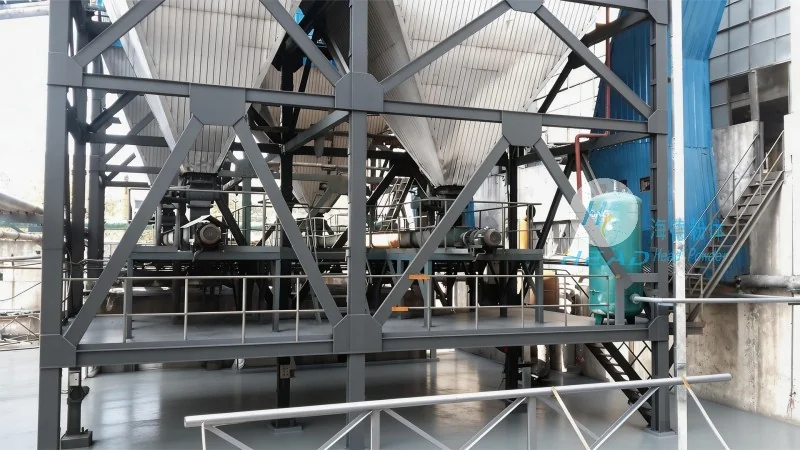
Implementing a micro-sand powder conveying line offers several advantages for industrial operations. One of the primary benefits is the improved efficiency in material handling, as these systems can transport micro-sand at high speeds with minimal downtime. This leads to increased productivity and reduced labor costs. Another advantage is the enhanced product quality, as the conveying process minimizes the risk of contamination or degradation of the micro-sand. The system's ability to maintain a consistent flow rate ensures that the downstream processing equipment receives a uniform feed, which is crucial for processes like mixing, coating, or further processing. Additionally, the reduced dust generation and effective dust collection systems contribute to a safer and more environmentally friendly operation, minimizing the risk of respiratory issues for workers and complying with environmental standards.
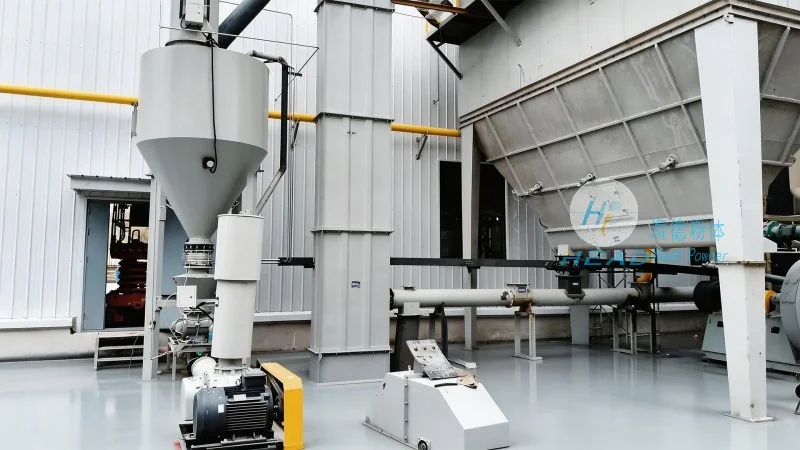
Micro-sand powder conveying lines are often customized to meet the specific requirements of each industrial application. This includes adapting the system's capacity, conveying speed, and control mechanisms to match the production volume and processing needs. The lines can be integrated with existing equipment, such as storage silos, processing units, or packaging systems, to create a seamless material flow. For example, a conveying line can be connected to a storage silo to automatically transfer micro-sand from the silo to a processing machine, eliminating the need for manual handling and reducing the risk of human error. Customization also allows for the inclusion of additional features, such as temperature control or moisture adjustment, depending on the specific requirements of the micro-sand being handled.
Proper maintenance is essential to ensure the long-term performance and reliability of a micro-sand powder conveying line. Regular inspection of components like the hopper, feeder, and conveying mechanism is necessary to detect and address any issues before they become major problems. This includes checking for wear and tear, ensuring proper lubrication of moving parts, and cleaning the system to prevent the buildup of dust or material residues. Operational considerations also include monitoring the system's performance, such as flow rate and pressure, to ensure it operates within the designed parameters. If any deviations are detected, adjustments can be made to the feeder speed or conveying mechanism to maintain optimal performance. Additionally, training operators on the proper use and maintenance of the conveying line is crucial to prevent accidents and ensure the system operates efficiently.

 Shandong Headpowder Engineering Co., Ltd.
 156-6277-7102(Manager Zhang)
  0531-83386006
  Zhangqiu District, Jinan City, Shandong Province, China
telephone
WeChatconsult
top