With more than 10‑year industry experience, Shandong Headpowder delivers full‑service pneumatic‑conveying systems and blowers, undertaking nationwide turn‑key powder‑handling projects.
Understanding the ton bag unpacking and material conveying line is crucial for industries dealing with bulk material handling. This system is designed to efficiently process large ton bags, converting them into manageable quantities for further processing or transport. The following article provides an in-depth look at the components, operational principles, and design considerations of such a line, presented by Shandong HeadPowder Engineering Co., Ltd., a leading manufacturer based in China.
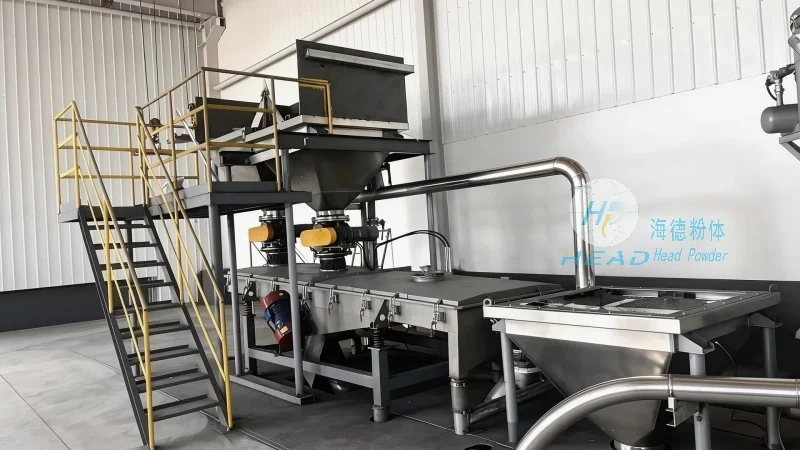
A ton bag, also known as a super sack or big bag, is a flexible container used for transporting and storing bulk materials. These bags typically hold between 500 kg to 2,000 kg of material, making them ideal for industries like agriculture, construction, and chemical processing. The ton bag unpacking and material conveying line is a specialized system that automates the process of opening these bags, emptying their contents, and transporting the material to the next stage of production or distribution. This system combines several key components to achieve a seamless workflow, ensuring high efficiency and minimal human intervention.
The ton bag unpacking and material conveying line typically consists of several interconnected parts, each playing a vital role in the overall operation. The primary components include:
1. Ton Bag Handling System: This component is responsible for receiving, positioning, and opening the ton bags. It may include a bag elevator, a bag turner, or a bag opener, depending on the specific design. The handling system ensures that the bag is properly aligned and secured before the unpacking process begins.
2. Unpacking Mechanism: The unpacking mechanism is the core of the system, designed to open the ton bag and release its contents. Common methods include cutting the bag with a hot knife, using a mechanical opener, or employing a vacuum system to draw the material out. The choice of mechanism depends on the material being handled and the bag's construction.
3. Material Conveying System: Once the material is unpacked, it needs to be transported to the next processing stage. This is typically achieved through a conveyor system, such as a belt conveyor, screw conveyor, or pneumatic conveyor. The conveying system ensures that the material is moved efficiently and safely, with minimal spillage or loss.
4. Dust Collection and Filtration System: Handling bulk materials often generates dust, which can be hazardous to workers and the environment. A dust collection and filtration system is essential to capture and remove airborne particles, ensuring a clean and safe working environment. This system typically includes a dust collector, filters, and an exhaust fan.
5. Control System: The control system coordinates the operation of all components, ensuring that the process runs smoothly and efficiently. It may include sensors, controllers, and a human-machine interface (HMI) for monitoring and adjusting the process as needed.
The design of a ton bag unpacking and material conveying line is based on several key principles to ensure optimal performance, safety, and efficiency. These principles include:
1. Modularity and Flexibility: The system is designed to be modular, allowing for easy integration with existing production lines and easy modification to accommodate different bag sizes or material types. This flexibility ensures that the system can adapt to changing production needs.
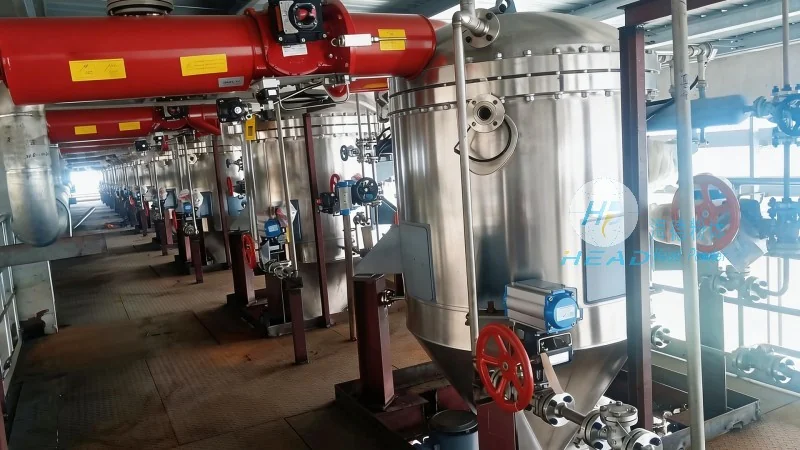
2. High Throughput and Low Maintenance: The design aims to achieve high material throughput while minimizing downtime and maintenance requirements. This is achieved through the use of durable materials, efficient mechanisms, and regular maintenance schedules.
3. Safety and Environmental Compliance: The system is designed to meet safety and environmental regulations, ensuring that it operates in a safe and environmentally friendly manner. This includes features such as dust collection, proper ventilation, and secure material handling.
4. Energy Efficiency: The design incorporates energy-efficient components and systems to reduce operational costs and environmental impact. This may include using variable frequency drives (VFDs) for conveyors, optimizing the bag handling process, and minimizing energy consumption.
The operational workflow of a ton bag unpacking and material conveying line typically follows a sequence of steps, as illustrated below (though no images are provided here). The process begins with the arrival of a ton bag at the handling system. The bag is then positioned and opened, and the material is emptied into a hopper or container. The material is then conveyed to the next stage of processing or storage. The entire process is controlled by the system's control panel, which monitors the operation and adjusts parameters as needed.
During the operation, the dust collection system continuously removes dust from the air, ensuring a clean environment. The conveyor system moves the material at a controlled speed, preventing spillage and ensuring uniform distribution. The control system provides real-time monitoring of the process, allowing operators to identify and address any issues promptly.
The ton bag unpacking and material conveying line is widely used in various industries that handle bulk materials. Some of the key applications include:
1. Agricultural Industry: Used for handling and processing agricultural products such as grains, seeds, and fertilizers. The system ensures efficient and safe handling of these materials, reducing the risk of contamination and loss.
2. Construction Industry: Used for handling and transporting construction materials such as cement, sand, and gravel. The system helps to streamline the material handling process, improving productivity and reducing labor costs.
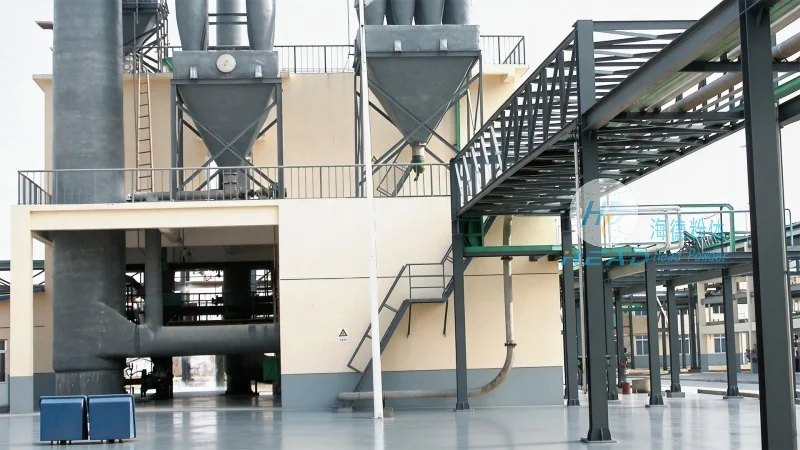
3. Chemical Industry: Used for handling and processing chemical products such as powders, pellets, and granules. The system ensures that the material is handled safely and efficiently, minimizing the risk of accidents and spills.
4. Pharmaceutical Industry: Used for handling and processing pharmaceutical powders and other bulk materials. The system is designed to meet stringent safety and hygiene standards, ensuring that the materials are handled in a clean and controlled environment.
Implementing a ton bag unpacking and material conveying line offers several advantages for industries dealing with bulk materials. These advantages include:
1. Increased Efficiency: The automated system reduces the time and labor required for material handling, increasing overall production efficiency.
2. Improved Safety: The system minimizes human intervention in the material handling process, reducing the risk of accidents and injuries.
3. Reduced Material Loss: The system ensures that the material is handled and transported with minimal spillage or loss, improving material yield and reducing waste.
4. Enhanced Product Quality: The system maintains the quality of the material by preventing contamination and ensuring uniform handling.
5. Cost Savings: By reducing labor costs, minimizing material loss, and improving operational efficiency, the system can provide significant cost savings over time.
The ton bag unpacking and material conveying line is a critical component in modern bulk material handling systems. Its design and operation are tailored to meet the specific needs of various industries, ensuring efficient, safe, and cost-effective material processing. By understanding the components, design principles, and operational workflow of such a line, industries can make informed decisions about implementing this technology to improve their production processes. Shandong HeadPowder Engineering Co., Ltd. specializes in designing and manufacturing high-quality ton bag unpacking and material conveying lines, providing customized solutions to meet the unique needs of their clients.

 Shandong Headpowder Engineering Co., Ltd.
 156-6277-7102(Manager Zhang)
  0531-83386006
  Zhangqiu District, Jinan City, Shandong Province, China
telephone
WeChatconsult
top