With more than 10‑year industry experience, Shandong Headpowder delivers full‑service pneumatic‑conveying systems and blowers, undertaking nationwide turn‑key powder‑handling projects.
Understanding the principles and applications of pneumatic conveying systems is crucial for industries dealing with bulk materials like polypropylene (PP) pellets. This article explores the fundamentals of PP pellet pneumatic conveying, the different classification methods of pneumatic conveying systems, and their practical applications in various industrial settings.
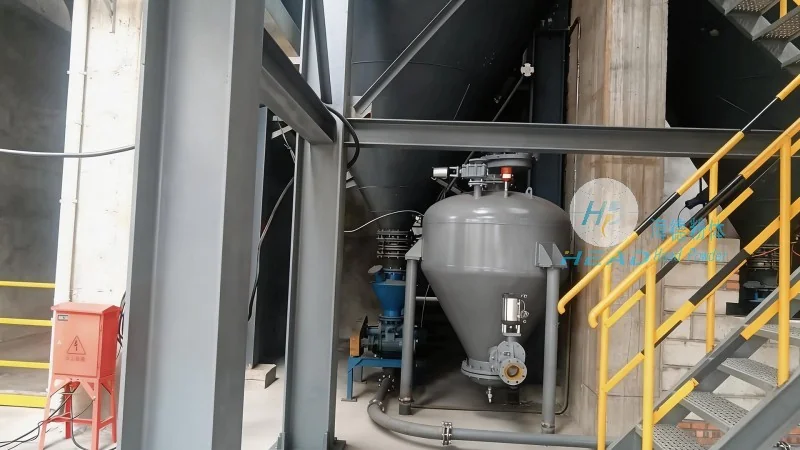
Pneumatic conveying is a technology that facilitates the transport of solid particles through a pipeline using air or gas as the conveying medium. Unlike mechanical conveying methods, which rely on physical contact and moving parts, pneumatic systems use the force of a gas stream to suspend and move materials. This approach offers several advantages, including dust-free operation, reduced material degradation, and the ability to handle materials with high moisture content or abrasive properties.
Polypropylene (PP) pellets are a common thermoplastic used in manufacturing various products, from packaging to automotive components. The pneumatic conveying of PP pellets is particularly important due to the material's lightweight nature and the need for efficient, clean handling. PP pellets are often transported in bulk quantities, and pneumatic systems provide a reliable solution for moving these materials from storage to processing equipment without the need for manual handling or intermediate storage.
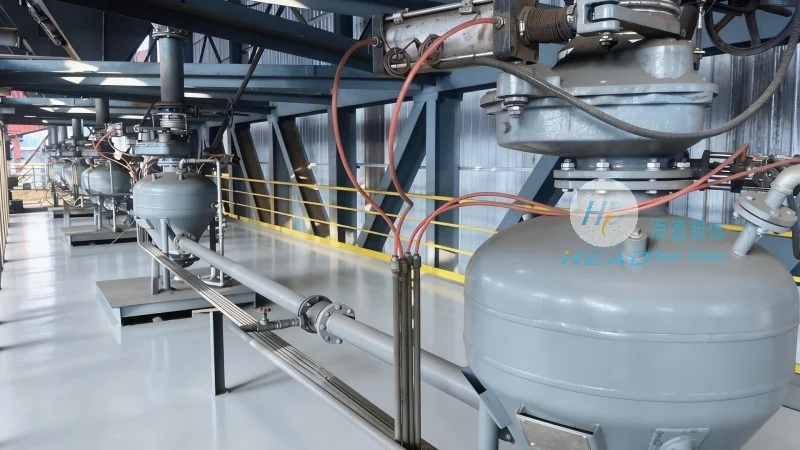
Pneumatic conveying systems can be classified based on several factors, including the pressure differential between the conveying line and the ambient environment, the velocity of the gas stream, and the system design. The primary classifications include:
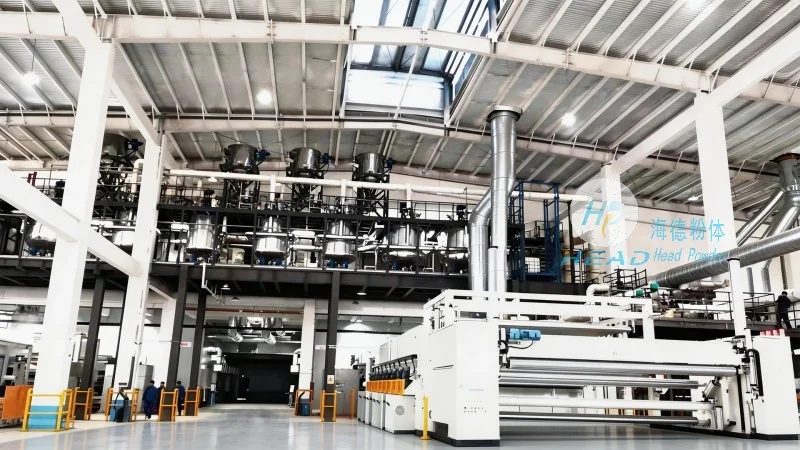
Pneumatic conveying systems are widely used across various industries due to their flexibility and efficiency. In the plastics industry, PP pellet pneumatic conveying is a standard method for handling raw materials. The systems are also employed in chemical processing, food and beverage manufacturing, pharmaceuticals, and mining operations. Some key applications include:
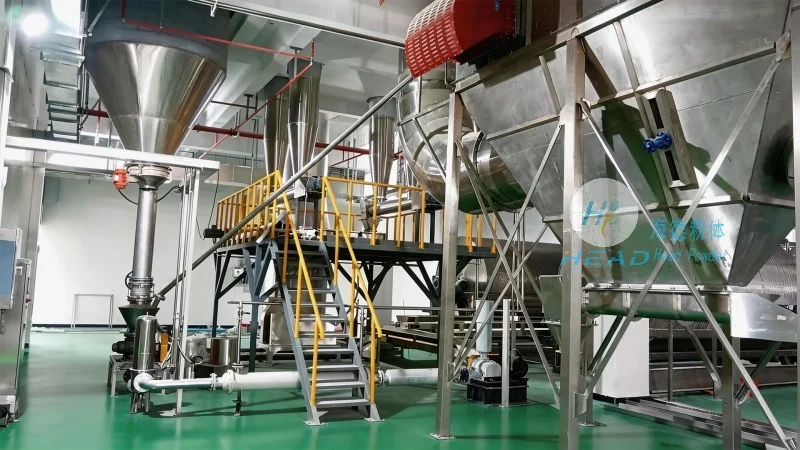
HeadPowder, a leading manufacturer of pneumatic conveying systems, is dedicated to providing high-quality solutions for material handling challenges. With years of experience in the industry, HeadPowder specializes in designing and manufacturing customized pneumatic systems tailored to the specific needs of its clients. The company's products are known for their reliability, efficiency, and durability, making them a trusted choice for industries dealing with PP pellets and other bulk materials.
HeadPowder's team of engineers and technicians works closely with clients to understand their unique requirements and develop solutions that optimize material flow, reduce downtime, and improve overall operational efficiency. The company's commitment to quality and customer satisfaction has earned it a reputation as a leading provider of pneumatic conveying systems in China and beyond.

 Shandong Headpowder Engineering Co., Ltd.
 156-6277-7102(Manager Zhang)
  0531-83386006
  Zhangqiu District, Jinan City, Shandong Province, China
telephone
WeChatconsult
top