With more than 10‑year industry experience, Shandong Headpowder delivers full‑service pneumatic‑conveying systems and blowers, undertaking nationwide turn‑key powder‑handling projects.
For professionals in the environmental and waste management sectors, understanding the technology behind dry sludge material handling lines is crucial. These systems are engineered to efficiently transport and process dry sludge, a critical step in wastewater treatment and solid waste management. Shandong HeadPowder Engineering Co., Ltd., a leading provider in this field, specializes in designing and manufacturing such systems to meet the diverse needs of clients worldwide. This article will explore what a dry sludge material handling line is and delve into its core design principles, providing insights into the technical aspects and operational benefits of such systems.
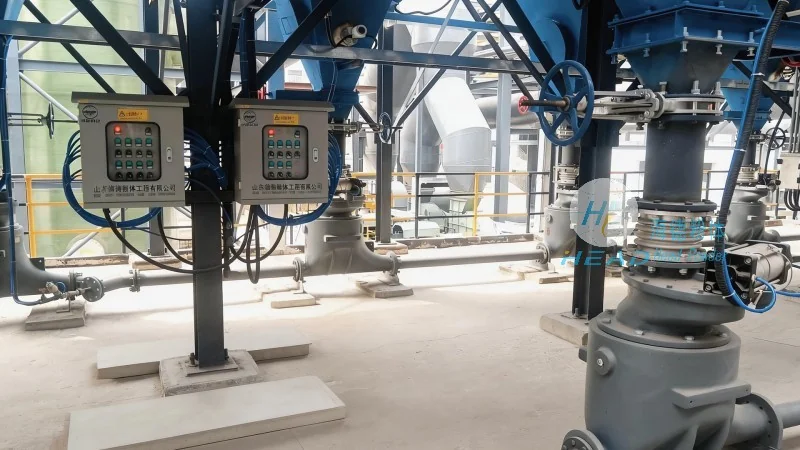
A dry sludge material handling line is a specialized system designed to handle, transport, and process dry sludge from various sources, such as municipal wastewater treatment plants, industrial facilities, or agricultural operations. The primary goal of these systems is to reduce the moisture content of sludge, making it more manageable for disposal or further treatment. By converting wet sludge into a dry, granular or pelletized form, the material becomes easier to handle, store, and transport, reducing the volume and weight significantly. This process is essential for optimizing waste management strategies and minimizing environmental impact.
The design of a dry sludge material handling line typically involves several interconnected components working in tandem to achieve the desired outcome. The system usually starts with a sludge dewatering unit, where excess water is removed from the sludge to reduce its moisture content. This is often followed by a drying stage, which may involve thermal drying, mechanical drying, or a combination of both. The dried sludge is then processed into a uniform form, such as pellets or granules, through equipment like rotary dryers, belt dryers, or pelletizers. Finally, the dry sludge is transported through a conveyor system, which may include screw conveyors, belt conveyors, or pneumatic conveying systems, to the storage or disposal site.
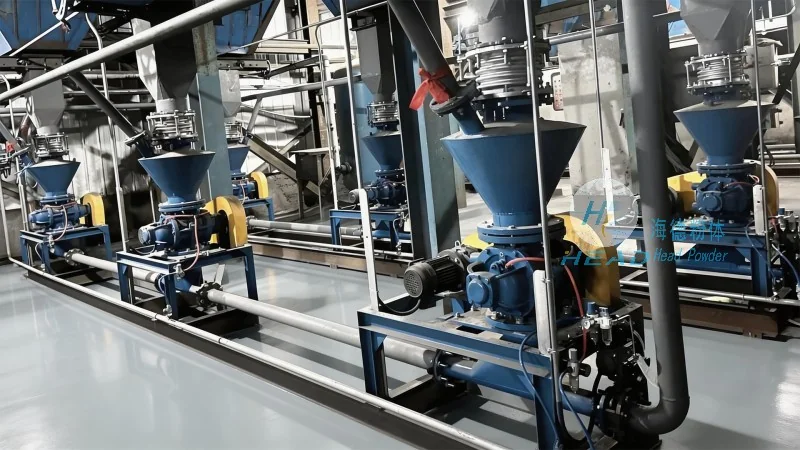
The design principles of a dry sludge material handling line are centered on efficiency, reliability, and environmental compliance. Several key factors are considered during the design phase to ensure the system operates effectively and meets regulatory standards. First, the system must be tailored to the specific characteristics of the sludge being processed, including its initial moisture content, composition, and volume. This customization ensures that the dewatering and drying processes are optimized for the particular material, maximizing efficiency and minimizing energy consumption.
Second, the system is designed to minimize energy consumption while maintaining high throughput. This involves selecting appropriate equipment, such as energy-efficient drying technologies and optimized conveyor systems, to reduce operational costs. Additionally, the design considers the need for minimal maintenance and easy access to components for servicing, ensuring the system operates reliably over its lifespan.
Third, environmental considerations are paramount in the design of dry sludge material handling lines. The system must comply with local and national regulations regarding emissions, waste disposal, and water usage. This includes implementing measures to control dust and odors, treating exhaust gases, and managing the discharge of any residual water. The design also focuses on reducing the overall environmental footprint by optimizing the process and minimizing waste generation.
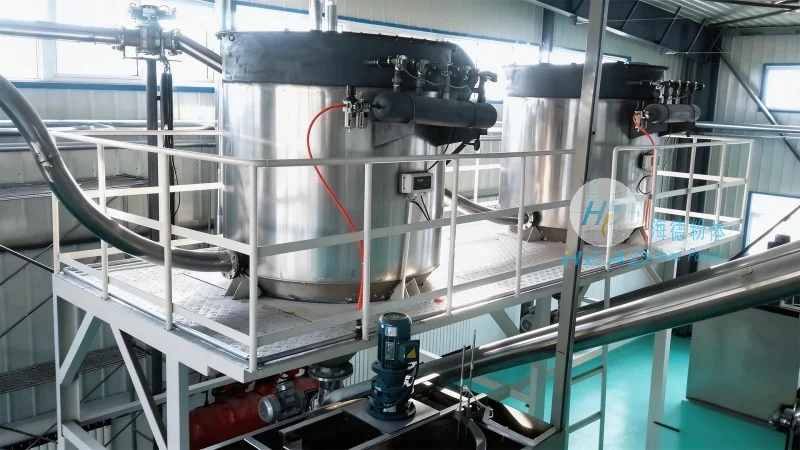
The implementation of a dry sludge material handling line offers numerous benefits for waste management operations. By reducing the volume and weight of sludge, the system reduces transportation costs and the need for large storage facilities. The dried sludge can be used as a resource, such as a soil amendment or fuel in certain applications, rather than being disposed of as waste. This not only reduces the environmental impact but also provides economic value to the operation. Additionally, the system improves the safety and handling of sludge, as the dry material is less likely to cause slip hazards or attract pests compared to wet sludge.
In conclusion, a dry sludge material handling line is a sophisticated system designed to efficiently process and transport dry sludge. The design principles, which prioritize efficiency, reliability, and environmental compliance, ensure that these systems meet the demands of modern waste management. By understanding the components and operational aspects of such systems, professionals can make informed decisions about implementing or optimizing dry sludge handling solutions. The technology continues to evolve, with advancements in drying and processing technologies improving the overall performance and sustainability of these systems.

 Shandong Headpowder Engineering Co., Ltd.
 156-6277-7102(Manager Zhang)
  0531-83386006
  Zhangqiu District, Jinan City, Shandong Province, China
telephone
WeChatconsult
top