With more than 10‑year industry experience, Shandong Headpowder delivers full‑service pneumatic‑conveying systems and blowers, undertaking nationwide turn‑key powder‑handling projects.
Understanding talc powder pneumatic conveying is crucial for industries that rely on efficient material handling solutions. This article explores the fundamentals of pneumatic conveying systems, particularly those used for talc powder, and delves into the different classifications and practical applications of such systems.
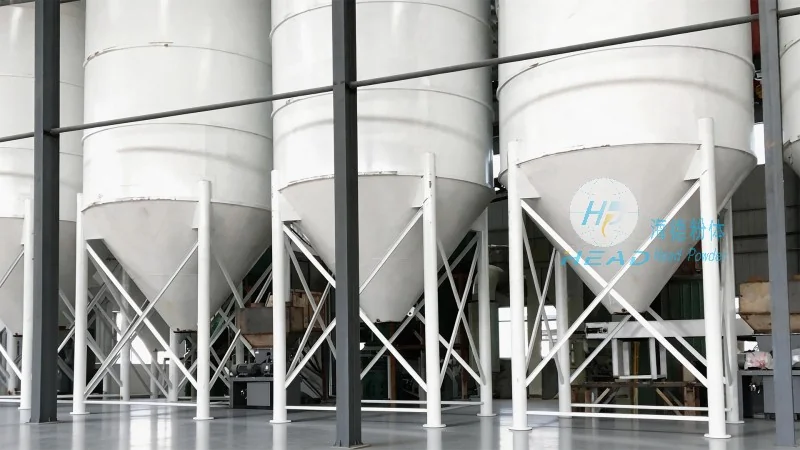
Pneumatic conveying is a method of transporting bulk materials through a pipeline using air or other gases. It offers several advantages over traditional mechanical conveying systems, including reduced equipment wear, lower maintenance costs, and the ability to handle a wide range of materials, including fine powders like talc. The process involves creating a pressure differential within the pipeline to move the material from the source to the destination.
There are primarily two types of pneumatic conveying systems: vacuum (or suction) systems and pressure (or blow) systems. Each type has distinct characteristics and is suitable for different operational requirements.
1. Vacuum Pneumatic Conveying: This system operates by creating a negative pressure (vacuum) at the receiving end, which draws the material from the source into the pipeline. Vacuum systems are ideal for applications where the material needs to be transported from multiple points to a central collection point, such as in dust collection or material recovery processes. They are commonly used in industries like pharmaceuticals, food processing, and chemical manufacturing.
2. Pressure Pneumatic Conveying: In contrast, pressure systems use positive pressure to push the material through the pipeline. The material is typically fed into the system at the source, and the pressure differential drives it to the destination. Pressure systems are better suited for long-distance transport and high-volume applications, as they can maintain consistent flow rates over extended distances. They are often used in bulk material handling, such as in mining, cement production, and agricultural industries.
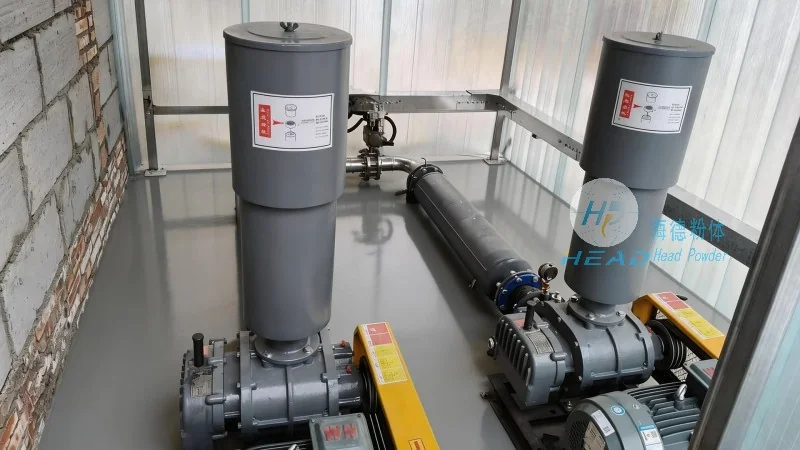
3. Combined (or Hybrid) Systems: Some applications may require a combination of both vacuum and pressure principles. These hybrid systems offer flexibility in handling materials that need to be transported over varying distances or through complex layouts. They can be configured to use vacuum for initial material collection and pressure for subsequent transport, optimizing efficiency and cost.
When it comes to talc powder, specific considerations must be taken into account to ensure efficient and safe pneumatic conveying. Talc is a fine, dry powder with unique properties, including its low density and high flowability. These characteristics can affect the design and operation of the conveying system.
First, the particle size and distribution of talc powder are critical factors. Fine particles are more prone to agglomeration and can cause blockages in the pipeline if not properly handled. Therefore, many talc powder pneumatic conveying systems incorporate features such as air classifiers or cyclones to maintain consistent particle size and prevent clogging.
Second, the moisture content of talc powder is another important factor. Excess moisture can lead to clumping and reduced flowability, which can impact the efficiency of the conveying system. Proper drying and moisture control measures are essential to ensure smooth operation.
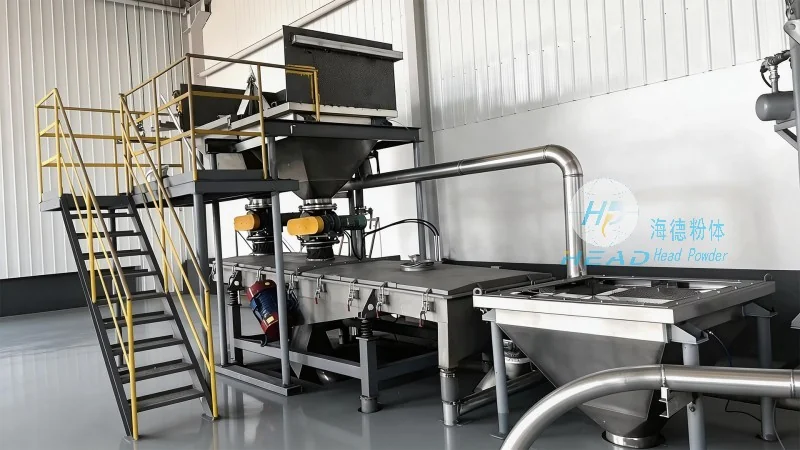
Third, the material's dustiness and potential for static charge must be considered. Talc powder is known to generate static electricity, which can cause material buildup and affect the system's performance. Anti-static additives or grounding systems are often used to mitigate these issues and ensure safe operation.
Talc powder is widely used in various industries, and pneumatic conveying systems play a vital role in transporting it from production sites to processing facilities or end-users. The following are some common applications:
1. Pharmaceutical Industry: Talc is used as a filler and excipient in pharmaceutical formulations. Pneumatic conveying systems are used to transport talc powder from storage silos to mixing and blending equipment, ensuring a consistent and controlled flow of material. This is crucial for maintaining product quality and compliance with regulatory standards.
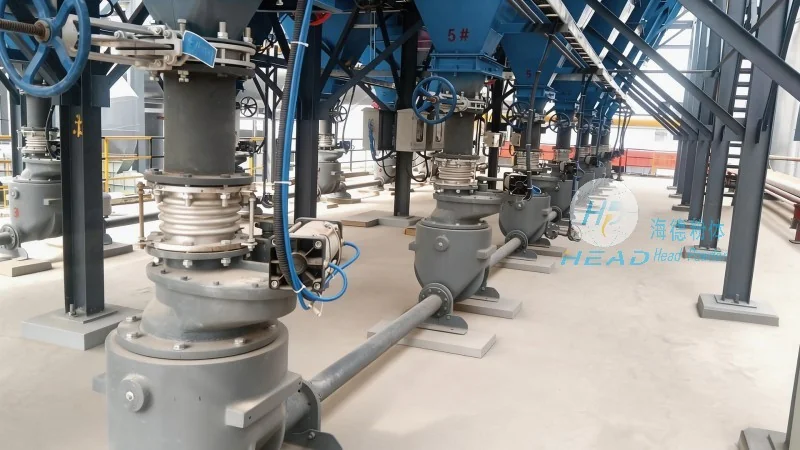
2. Cosmetics and Personal Care: Talc is a key ingredient in many cosmetic products, such as powders, lotions, and creams. Pneumatic conveying systems are used to transport talc powder from production lines to packaging facilities, ensuring efficient and hygienic handling. The systems must be designed to prevent contamination and maintain product purity.
3. Plastics and Rubber Industry: Talc is used as a filler in plastic and rubber products to improve their mechanical properties and reduce cost. Pneumatic conveying systems are used to transport talc powder from storage to extrusion or molding equipment. The systems must be capable of handling high volumes and maintaining consistent particle size to ensure uniform product quality.
4. Construction Materials: Talc is used in the production of paints, coatings, and other construction materials. Pneumatic conveying systems are used to transport talc powder from raw material storage to production lines, ensuring efficient material handling and reducing labor costs.
5. Food and Beverage Industry: Talc is used as a processing aid in some food products, such as baking powders and dairy products. Pneumatic conveying systems are used to transport talc powder in a hygienic and controlled manner, ensuring compliance with food safety regulations.

 Shandong Headpowder Engineering Co., Ltd.
 156-6277-7102(Manager Zhang)
  0531-83386006
  Zhangqiu District, Jinan City, Shandong Province, China
telephone
WeChatconsult
top