

What is a Vacuum Material Feeding Conveyor Line? And What Are Its Design Principles?
A vacuum material feeding conveyor line is an industrial system designed to transport bulk materials from a source to a processing or packaging destination using vacuum technology. This type of conveyor line is widely used in various industries, including pharmaceuticals, food processing, and chemical manufacturing, due to its ability to handle a wide range of materials with precision and efficiency. The core of this system lies in its design principles, which integrate vacuum generation, material handling, and control mechanisms to ensure smooth operation and optimal performance.
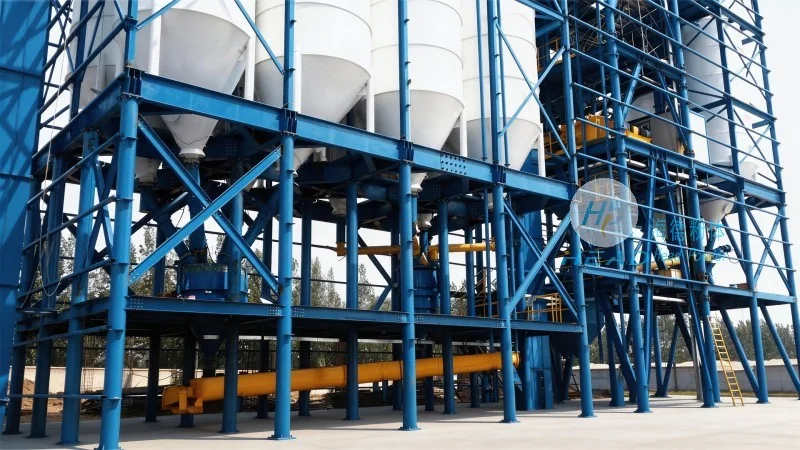
Key Components of a Vacuum Material Feeding Conveyor Line
The vacuum material feeding conveyor line consists of several critical components that work in tandem to achieve effective material transport. The primary components include a vacuum pump, which creates the necessary suction force; a material feed hopper or inlet, where the bulk material is loaded; a conveyor tube or duct that carries the material under vacuum; and a discharge outlet or processing unit where the material is released. Additionally, control systems such as valves, sensors, and programmable logic controllers (PLCs) are integrated to regulate the flow and ensure safety. The choice of materials for the conveyor tube, such as stainless steel or food-grade plastic, depends on the type of material being handled, ensuring compatibility and hygiene.
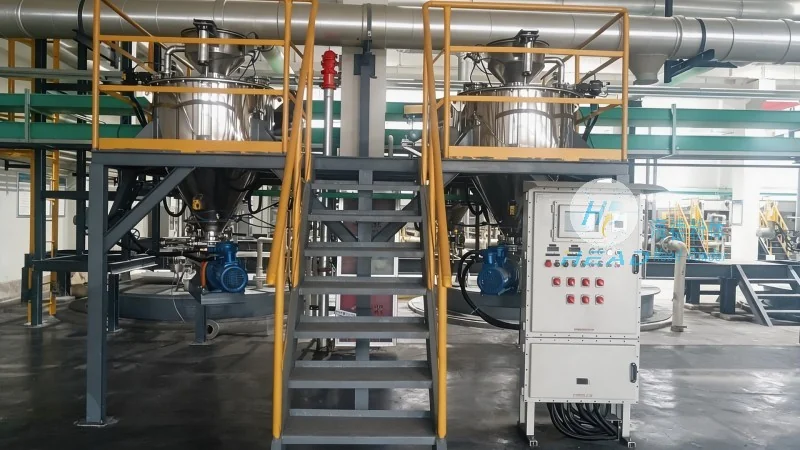
Design Principles and Operational Mechanisms
The design principles of a vacuum material feeding conveyor line are centered on optimizing material flow, maintaining vacuum integrity, and ensuring energy efficiency. The system operates by creating a pressure differential between the material source and the discharge point. The vacuum pump reduces the pressure in the conveyor tube, causing the material to be drawn into the tube through the inlet. As the material moves through the tube, it is transported to the discharge point, where the pressure is restored, allowing the material to be released. The design must consider factors such as material density, particle size, and flow characteristics to prevent blockages or uneven flow. For example, in pharmaceutical applications, the system may incorporate sterile design elements to maintain product purity, while in food processing, it may use hygienic materials to meet regulatory standards.
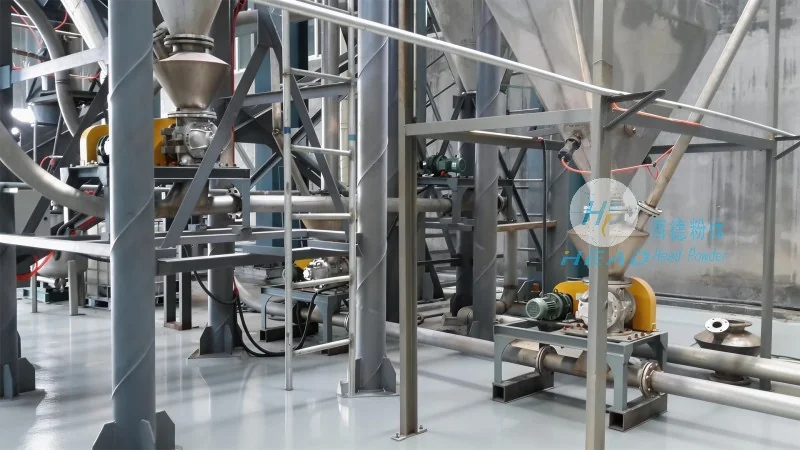
Applications and Benefits in Industrial Settings
Vacuum material feeding conveyor lines are versatile and offer numerous benefits across different industrial sectors. In the pharmaceutical industry, they are used to transport powders and granules for tablet manufacturing, ensuring accurate dosing and minimal contamination. In food processing, they handle ingredients like flour, sugar, and spices, maintaining product quality and preventing cross-contamination. The benefits of these systems include improved material handling efficiency, reduced labor costs, and enhanced safety by minimizing manual handling of bulk materials. Additionally, the vacuum design allows for gentle material transport, which is crucial for delicate products that could be damaged by traditional conveyor systems. The system's compact design also makes it suitable for space-constrained environments, making it a practical solution for modern manufacturing facilities.
Customization and Integration with Existing Systems
Shandong HeadPowder Engineering Co., Ltd., a leading manufacturer based in China, specializes in designing and manufacturing customized vacuum material feeding conveyor lines to meet the specific needs of their clients. The company, known as headpowder, offers tailored solutions that integrate seamlessly with existing production lines. Customization options include varying conveyor lengths, different vacuum pump capacities, and specialized discharge mechanisms to accommodate diverse material types and processing requirements. The engineering team at headpowder works closely with clients to understand their operational challenges and develop solutions that enhance productivity and reduce downtime. For instance, they may incorporate advanced sensors to monitor material flow rates or implement energy-saving features to reduce operational costs. The company's commitment to quality and innovation ensures that their vacuum conveyor lines are reliable and durable, providing long-term value to their customers.
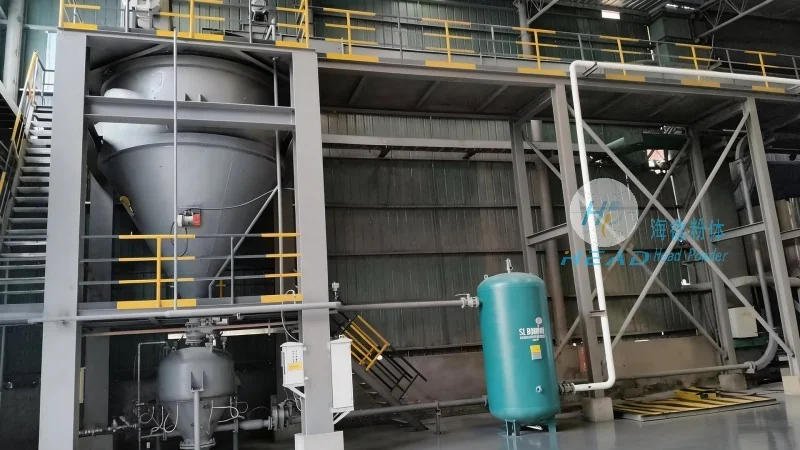
Conclusion and Future Trends
Vacuum material feeding conveyor lines represent a sophisticated solution for efficient bulk material handling in modern industries. By leveraging vacuum technology, these systems offer precision, flexibility, and safety, making them indispensable in sectors where material quality and process efficiency are paramount. As manufacturing processes continue to evolve, the demand for advanced material handling solutions will grow, and companies like Shandong HeadPowder Engineering Co., Ltd. will play a crucial role in providing customized and reliable systems. The future of vacuum conveyor technology may involve further integration with automation and IoT (Internet of Things) systems, enabling real-time monitoring and predictive maintenance. However, the core design principles and operational mechanisms will remain consistent, focusing on optimizing material transport while maintaining the highest standards of performance and safety.