With more than 10‑year industry experience, Shandong Headpowder delivers full‑service pneumatic‑conveying systems and blowers, undertaking nationwide turn‑key powder‑handling projects.
Understanding the Ferrous Sulfate Material Conveying Line and Its Design Principles
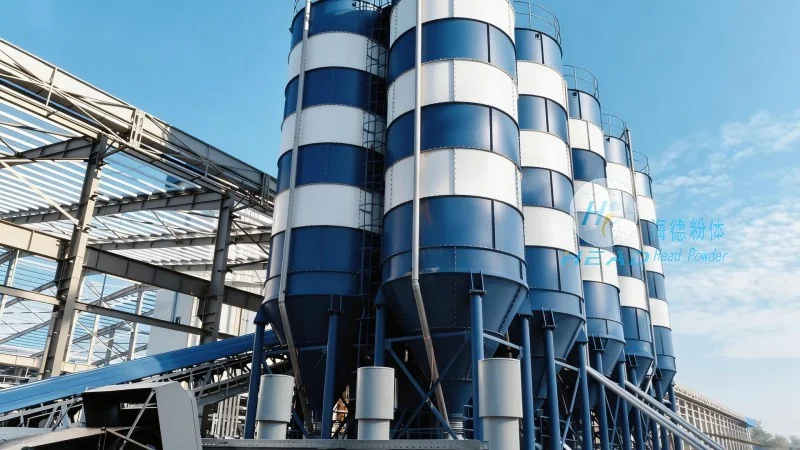
The ferrous sulfate material conveying line is a specialized industrial system designed to transport ferrous sulfate, a key chemical compound widely used in water treatment, agriculture, and chemical manufacturing. This system integrates various components to ensure efficient, safe, and reliable material handling from storage to processing or packaging. The design of such a line is critical, as it must accommodate the physical properties of ferrous sulfate, including its granular or powdered form, and the specific operational requirements of the end-user.
The design of a ferrous sulfate material conveying line typically involves several core components, each tailored to optimize performance and safety. The primary components include: a storage hopper or silo for raw material containment, a feeding mechanism (such as a rotary valve or screw feeder) to regulate material flow, a conveying system (e.g., belt conveyor, screw conveyor, or pneumatic conveyor) to transport the material horizontally or vertically, and a control system to manage the entire process. The choice of conveying method depends on factors like material density, moisture content, and the required throughput. For example, belt conveyors are often used for bulk material handling due to their high capacity and ability to transport materials over long distances, while screw conveyors are suitable for handling powders or granules in a closed system to prevent dust dispersion.
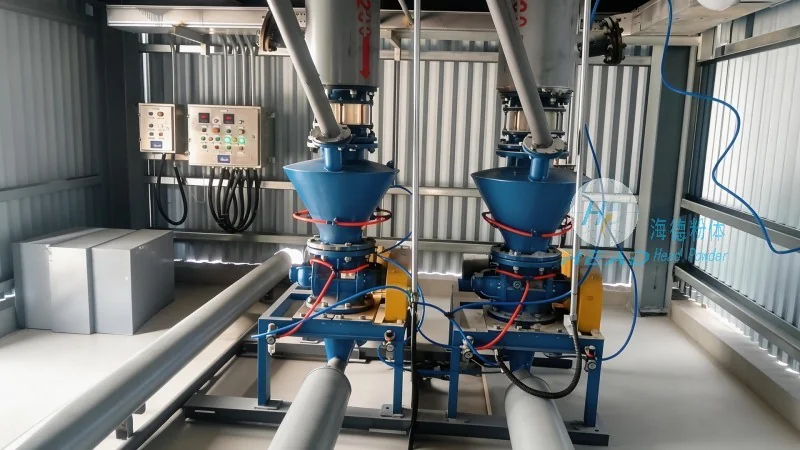
Control systems in these lines are usually equipped with programmable logic controllers (PLCs) that allow for automated operation, monitoring, and adjustment of parameters such as speed, flow rate, and pressure. This automation enhances efficiency and reduces the risk of human error. Additionally, safety features are integrated into the design, including dust suppression systems, material containment measures, and emergency stop mechanisms to protect operators and the environment from potential hazards associated with handling ferrous sulfate.
When designing a ferrous sulfate material conveying line, engineers must consider several factors to ensure the system operates at peak efficiency. Material properties, such as particle size distribution, moisture content, and abrasiveness, play a crucial role in selecting the appropriate equipment. For instance, if the ferrous sulfate is in a fine powder form, a pneumatic conveyor might be preferred to minimize material degradation and prevent blockages. Conversely, if the material is in larger granules, a belt conveyor with a robust idler system is more suitable to handle the load without excessive wear.
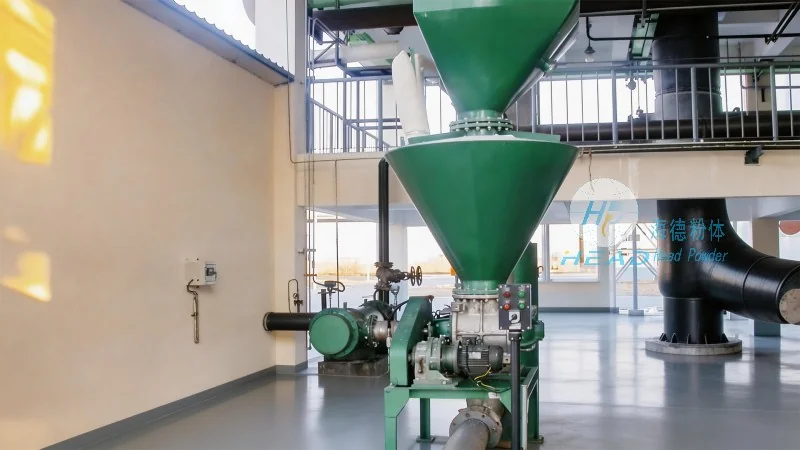
Another critical consideration is the system's integration with downstream processes. The conveying line must be designed to seamlessly connect with subsequent equipment, such as mixers, reactors, or packaging machines, to maintain a continuous production flow. This requires careful planning of the line's layout, including the placement of hoppers, feeders, and conveyors to minimize material handling time and reduce the risk of bottlenecks.
Environmental and regulatory compliance is also a key design principle. Ferrous sulfate is a non-toxic but potentially dusty material, so the conveying system must incorporate dust collection and filtration systems to comply with air quality standards. Additionally, the design must adhere to local safety regulations regarding material handling, ensuring that the system is equipped with proper ventilation, containment, and emergency response protocols.
Shandong HeadPowder Engineering Co., Ltd., a leading manufacturer specializing in chemical processing equipment, has extensive experience in designing and manufacturing ferrous sulfate material conveying lines. The company's team of engineers leverages advanced design software and industry best practices to develop customized solutions that meet the unique needs of each client. HeadPowder's approach involves a thorough understanding of the client's operational requirements, material characteristics, and production goals, followed by the development of a comprehensive system design that optimizes efficiency, safety, and cost-effectiveness.
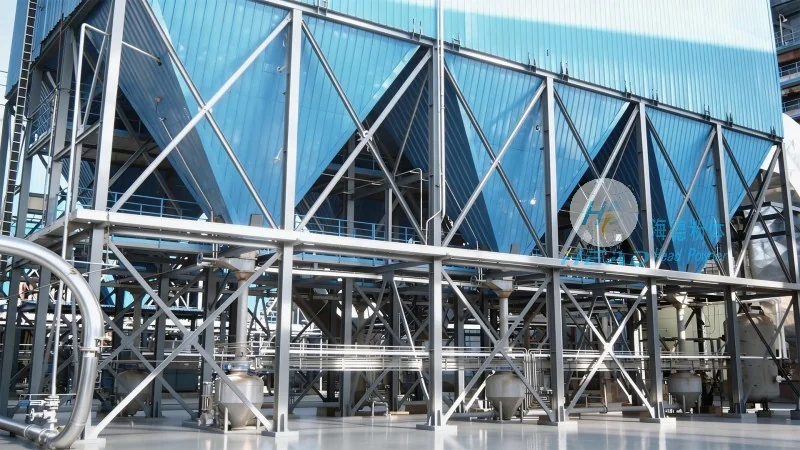
One of the key advantages of HeadPowder's ferrous sulfate conveying lines is their modular design, which allows for easy installation, maintenance, and scalability. The company's systems are built with high-quality materials, such as stainless steel or corrosion-resistant alloys, to withstand the chemical properties of ferrous sulfate and ensure long-term durability. Additionally, HeadPowder provides comprehensive after-sales support, including installation, training, and maintenance services, to ensure the system operates at its best throughout its lifecycle.
In summary, the ferrous sulfate material conveying line is a sophisticated industrial system that combines advanced engineering and material handling technology to efficiently transport ferrous sulfate. The design principles, including the selection of appropriate components, automation, and safety features, are critical to ensuring the system's performance and reliability. With its expertise in chemical processing equipment, Shandong HeadPowder Engineering Co., Ltd. offers customized solutions that meet the specific needs of industries relying on ferrous sulfate, providing a reliable and efficient material handling solution.

 Shandong Headpowder Engineering Co., Ltd.
 156-6277-7102(Manager Zhang)
  0531-83386006
  Zhangqiu District, Jinan City, Shandong Province, China
telephone
WeChatconsult
top