With more than 10‑year industry experience, Shandong Headpowder delivers full‑service pneumatic‑conveying systems and blowers, undertaking nationwide turn‑key powder‑handling projects.
For industries dealing with PTA (Paraxylene Terephthalic Acid), the choice of pneumatic conveying system is critical to operational efficiency and safety. Two primary methods dominate the market: positive pressure conveying and negative pressure conveying. This article provides a detailed comparison of these two approaches, highlighting their mechanisms, advantages, disadvantages, and typical applications. The analysis is presented by Shandong HeadPowder Engineering Co., Ltd., a leading provider of specialized engineering solutions for material handling in chemical processing.
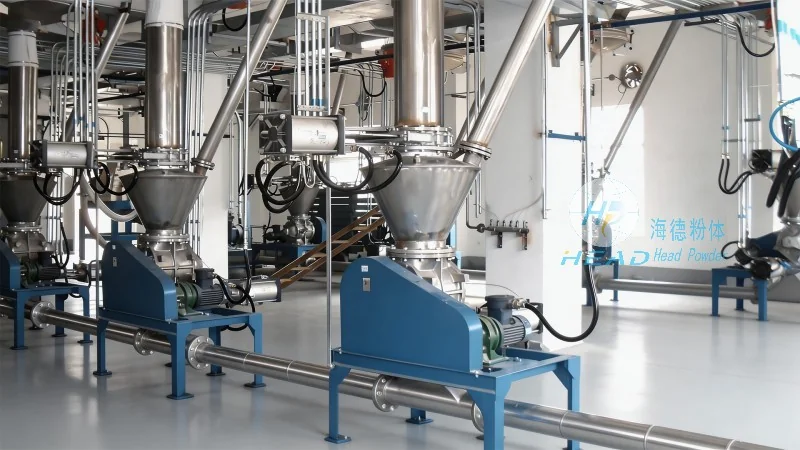
Pneumatic conveying systems use air or gas to transport bulk materials like PTA powder over short or long distances. The two main categories are positive pressure and negative pressure systems, each operating on distinct principles. Positive pressure systems force air through the material, while negative pressure systems draw air and material into a vacuum system. Both methods are widely used in the PTA industry due to their ability to handle fine powders and minimize product contamination.
Positive pressure conveying, also known as pressure conveying, operates by blowing air through the material using a positive pressure blower. The air is introduced at the inlet of the conveying line, creating a pressure differential that propels the PTA particles forward. This method is particularly effective for long-distance and high-capacity applications, as it can maintain consistent flow rates over extended lengths. The system typically includes a blower, a hopper for material storage, and a series of pipes with appropriate fittings and valves.
One of the key advantages of positive pressure systems is their ability to handle abrasive and corrosive materials, such as PTA, without significant wear on components. The high-pressure air ensures that the material is fully suspended and transported efficiently, reducing the risk of blockages or clogging. Additionally, positive pressure systems are generally more reliable for continuous operation, as they do not rely on external vacuum sources that may fluctuate.
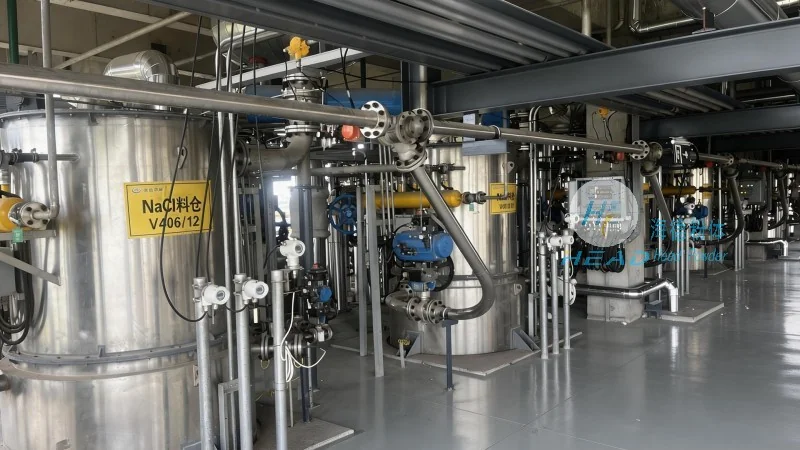
However, positive pressure conveying comes with notable drawbacks. The high-pressure air requirement increases energy consumption and operational costs. The equipment, including the blower and piping, is more complex and expensive to install and maintain. Furthermore, the system may generate more noise and require additional safety measures to prevent air leaks or over-pressurization. These factors make positive pressure systems less suitable for applications with strict budget constraints or in environments where space is limited.
Negative pressure conveying, or vacuum conveying, works by creating a vacuum at the inlet of the system, which draws air and material into the conveying line. The vacuum is generated by a vacuum pump, and the material is typically fed from a hopper or a storage silo. As the material is drawn into the line, it is suspended by the air flow and transported to the destination. This method is often preferred for shorter distances and for handling materials that are sensitive to pressure or temperature changes.
A major advantage of negative pressure systems is their lower energy consumption compared to positive pressure systems. The vacuum pump operates at lower pressures, reducing electricity usage and operational costs. The system is also more compact and easier to install, as it does not require large, high-pressure blowers. Additionally, negative pressure conveying is gentler on the material, minimizing particle degradation and preserving the quality of PTA powder, which is crucial for downstream processing.
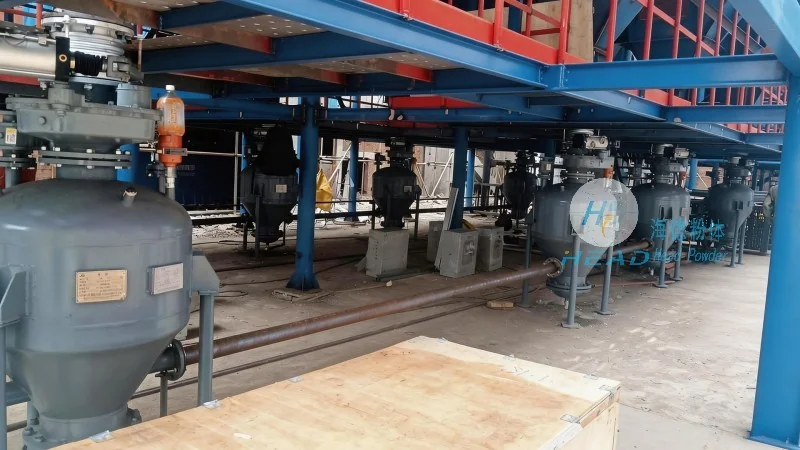
Despite these benefits, negative pressure conveying has its limitations. The vacuum system is more susceptible to clogging, especially with fine or cohesive PTA powders, as the material may stick to the pipe walls or valves. The suction process can also lead to lower conveying rates compared to positive pressure systems, making it less efficient for high-volume applications. Furthermore, the system requires careful maintenance to prevent air leaks, which can reduce the vacuum efficiency and compromise material transport.
When choosing between positive and negative pressure conveying for PTA, several factors must be considered. The primary decision point is the distance and volume of material to be transported. Positive pressure systems are ideal for long distances (up to several kilometers) and high throughput, while negative pressure systems are better suited for shorter distances (typically under 100 meters) and lower volumes.
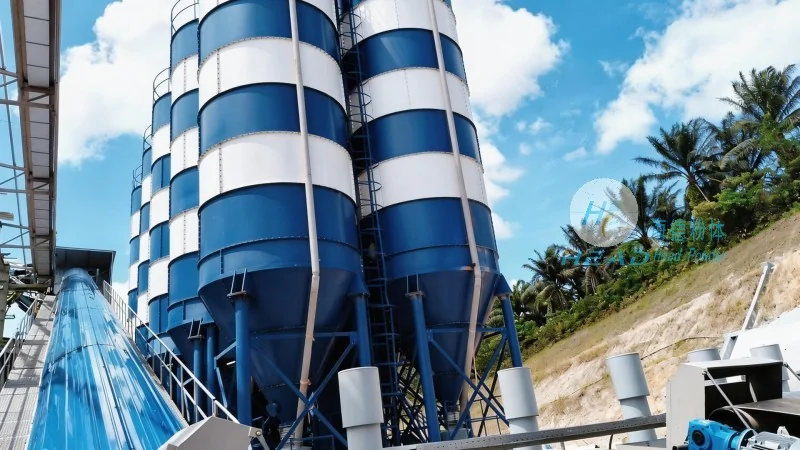
Cost is another critical factor. Positive pressure systems have higher upfront and operational costs due to the need for high-pressure equipment, whereas negative pressure systems are more economical for smaller-scale operations. The material characteristics also play a role: abrasive or corrosive PTA powders may favor positive pressure systems to prevent equipment wear, while sensitive materials may benefit from the gentler handling of negative pressure systems.
Operational environment and safety considerations are also important. Positive pressure systems may require additional safety measures to handle high-pressure air, such as pressure relief valves and explosion-proof components. Negative pressure systems, on the other hand, may need to address dust containment and air filtration to prevent environmental contamination. The availability of space and infrastructure can also influence the choice, as positive pressure systems often require more extensive piping and space for the blower.
In conclusion, both positive pressure and negative pressure pneumatic conveying systems offer viable solutions for transporting PTA in industrial settings. The selection between the two depends on a combination of operational requirements, cost considerations, and material characteristics. Positive pressure systems excel in long-distance, high-volume applications with robust equipment requirements, while negative pressure systems are more suitable for shorter distances and sensitive materials with lower energy demands. Shandong HeadPowder Engineering Co., Ltd. specializes in designing and implementing customized pneumatic conveying solutions tailored to the specific needs of PTA processing facilities, ensuring optimal performance and efficiency.

 Shandong Headpowder Engineering Co., Ltd.
 156-6277-7102(Manager Zhang)
  0531-83386006
  Zhangqiu District, Jinan City, Shandong Province, China
telephone
WeChatconsult
top