

Technical Analysis of Activated Carbon Powder Pneumatic Conveying Systems: Comparison of Positive Pr
Activated carbon powder, a critical material in various industrial applications such as air purification, water treatment, and chemical processing, requires efficient and reliable transport methods to ensure consistent performance and operational safety. Pneumatic conveying systems have emerged as a preferred solution for handling fine powders like activated carbon, offering advantages over traditional mechanical methods. This article provides a technical analysis of pneumatic conveying systems for activated carbon powder, focusing on the comparison between positive pressure and negative pressure conveying modes. The discussion will cover key technical aspects, operational considerations, and the suitability of each mode for different industrial scenarios.
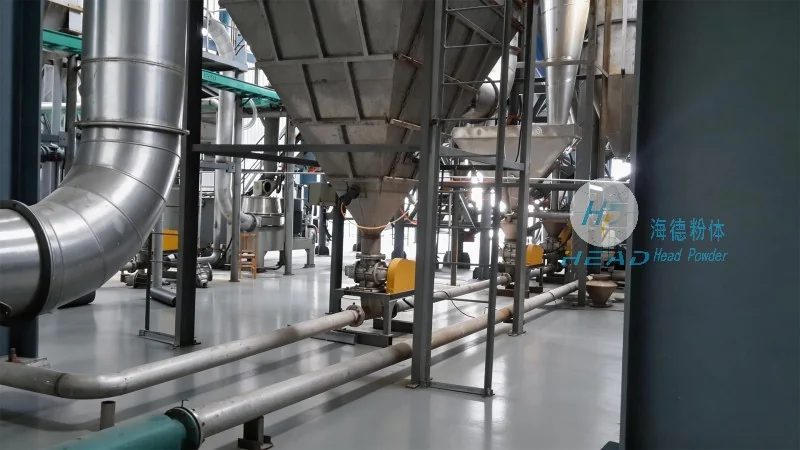
HeadPowder: Expert in Pneumatic Conveying Solutions
Shandong HeadPowder Engineering Co., Ltd. is a leading provider of specialized pneumatic conveying systems tailored for the handling of activated carbon powder and other fine materials. With years of experience in the field, HeadPowder combines advanced engineering expertise with robust manufacturing capabilities to deliver customized solutions that meet the unique demands of industrial clients. The company’s commitment to quality, efficiency, and safety is reflected in its comprehensive product portfolio and technical support services.
Positive Pressure Conveying Mode: Technical Overview
Positive pressure conveying, also known as pressure pneumatic conveying, operates by blowing air or gas under pressure into the conveying line to transport the material. This mode is particularly effective for conveying activated carbon powder over long distances and through complex system configurations. The primary components of a positive pressure system include a positive displacement blower, a material feed hopper, a conveying line, and a discharge point. The pressure differential created by the blower propels the powder particles, ensuring consistent flow and minimizing material degradation. Key advantages of positive pressure conveying include high conveying capacity, ability to handle abrasive materials, and suitability for long-distance transport. However, it may require more robust equipment and higher energy consumption compared to negative pressure systems.
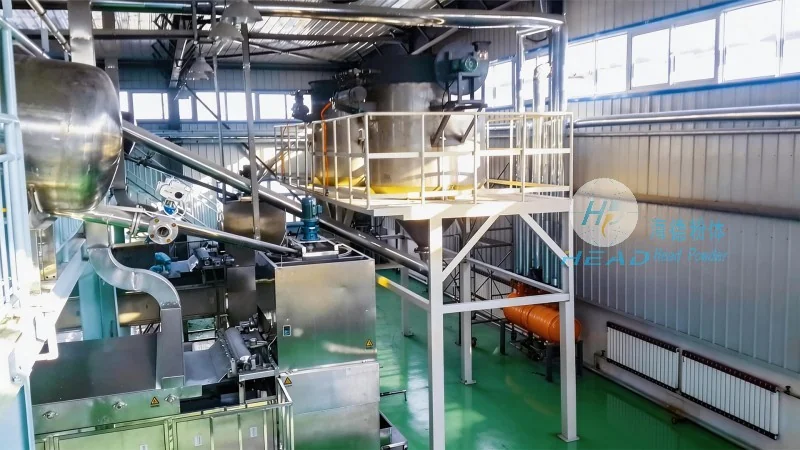
Negative Pressure Conveying Mode: Technical Overview
Negative pressure conveying, or vacuum pneumatic conveying, works by creating a vacuum in the conveying line to draw the material from the source to the discharge point. This mode is often preferred for short to medium distance transport and for applications where the material needs to be collected from multiple points. The system typically consists of a vacuum pump, a material feed hopper, a conveying line, and a collection vessel. The vacuum pulls the powder particles, ensuring efficient transport while maintaining material integrity. Negative pressure conveying offers advantages such as lower energy consumption, reduced noise levels, and suitability for handling sensitive materials. However, it may have limitations in conveying capacity and is generally less effective for long-distance or high-temperature applications.
Comparison of Positive and Negative Pressure Conveying Modes
When selecting a pneumatic conveying system for activated carbon powder, the choice between positive and negative pressure modes depends on several factors, including the distance of transport, system complexity, material characteristics, and operational requirements. Positive pressure systems are generally more suitable for long-distance and high-capacity applications, as they can maintain consistent pressure and flow rates over extended distances. They are also better equipped to handle abrasive or high-density materials without significant wear on components. On the other hand, negative pressure systems are ideal for short-distance transport, collection of fine powders from multiple sources, and applications where noise reduction and lower energy consumption are priorities. The decision should also consider the environmental impact and safety aspects, as positive pressure systems may require additional containment measures to prevent dust emissions.
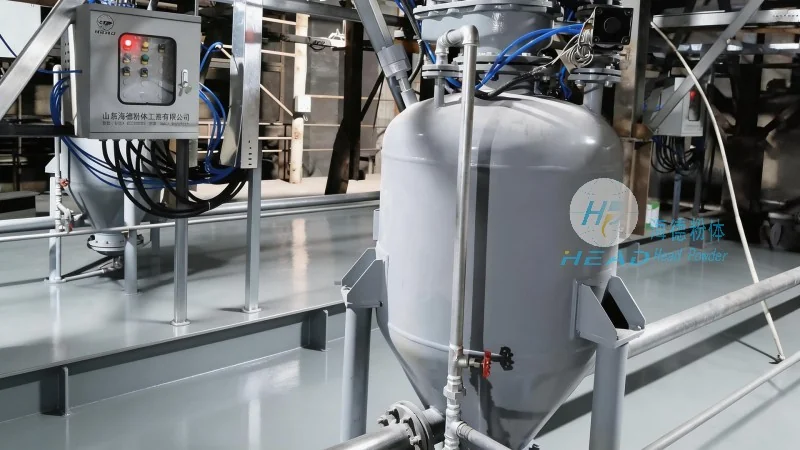
Key Technical Considerations for Activated Carbon Powder Conveying
Handling activated carbon powder requires careful consideration of several technical factors to ensure optimal performance and system longevity. Material properties, such as particle size, density, and moisture content, significantly influence the choice of conveying mode and system design. For example, fine particles may require higher air velocities in positive pressure systems to prevent clogging, while larger particles might benefit from the higher pressure differentials of negative pressure systems. System design also includes considerations for material feed mechanisms, such as rotary valves or screw feeders, which must be compatible with the powder's flow characteristics. Additionally, the use of appropriate filtration and dust collection systems is crucial to maintain air quality and comply with environmental regulations. Proper maintenance and monitoring of system components, including blower performance and line cleanliness, are essential to prevent system downtime and ensure consistent operation.
Conclusion: Choosing the Right Pneumatic Conveying System
Both positive and negative pressure pneumatic conveying modes offer viable solutions for transporting activated carbon powder, each with its own set of advantages and limitations. The selection of the appropriate system depends on the specific operational requirements, including distance, capacity, and material characteristics. Positive pressure systems excel in long-distance and high-capacity applications, while negative pressure systems are better suited for short-distance transport and noise-sensitive environments. By understanding the technical nuances of each mode and considering the unique needs of the application, industrial clients can select a pneumatic conveying system that maximizes efficiency, safety, and cost-effectiveness. Shandong HeadPowder Engineering Co., Ltd. provides expert guidance and customized solutions to help clients navigate these technical considerations and implement the most suitable pneumatic conveying system for their activated carbon powder handling needs.