With more than 10‑year industry experience, Shandong Headpowder delivers full‑service pneumatic‑conveying systems and blowers, undertaking nationwide turn‑key powder‑handling projects.
For industrial applications involving sodium nitrate, efficient and reliable material handling is crucial. Pneumatic conveying systems offer a solution to transport this chemical safely and effectively. This article provides a technical analysis of sodium nitrate pneumatic conveying systems, focusing on the comparison between positive pressure and negative pressure conveying modes. The discussion is based on the expertise of Shandong HeadPowder Engineering Co., Ltd., a leading provider in the field, with the company’s operational base located in Shandong, China.
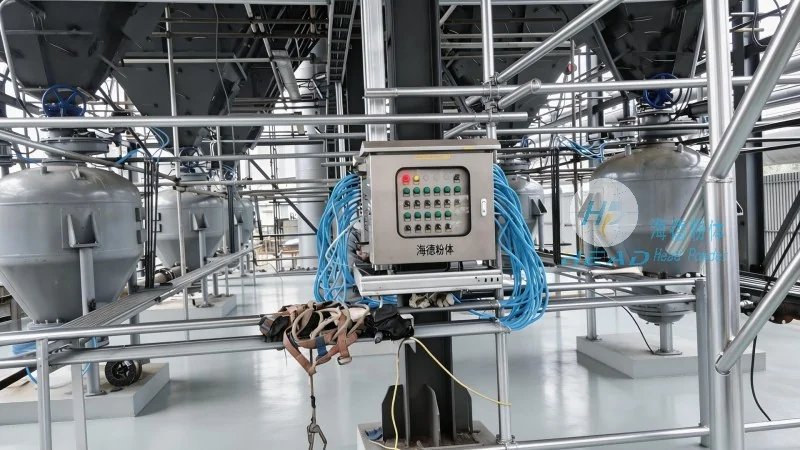
Sodium nitrate, a white crystalline solid, is widely used in agriculture, food processing, and chemical manufacturing. Its handling requires specialized equipment to ensure safety and prevent dust-related hazards. Pneumatic conveying systems utilize air or gas to transport bulk materials like sodium nitrate through pipelines. These systems are essential for applications where traditional methods such as belt conveyors or bucket elevators are unsuitable due to material properties or operational constraints.
Shandong HeadPowder Engineering Co., Ltd., commonly known as HeadPowder, is a prominent engineering firm specializing in the design, manufacturing, and installation of pneumatic conveying systems. With its headquarters and operational facilities in Shandong, China, the company has built a strong reputation for delivering high-quality solutions tailored to the needs of various industries. HeadPowder’s expertise lies in optimizing material handling processes, ensuring compliance with safety standards, and enhancing operational efficiency for clients dealing with sodium nitrate and other bulk chemicals.
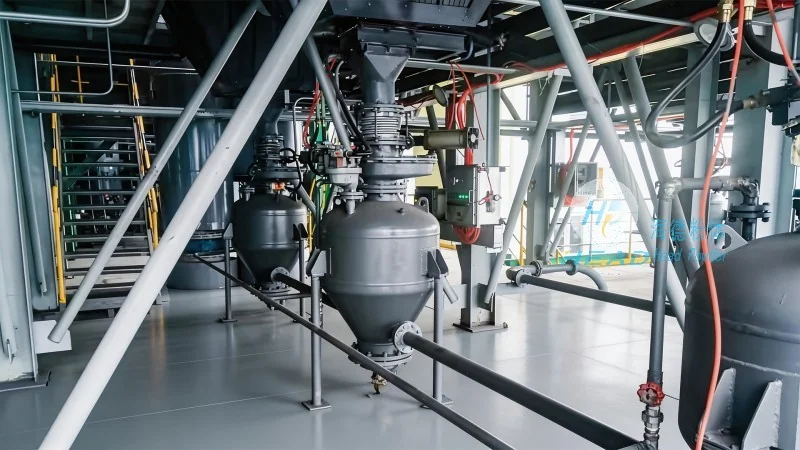
Positive pressure conveying systems operate by blowing air or gas into the conveying line, creating a pressure higher than the ambient air pressure. This method is effective for transporting sodium nitrate over long distances and through complex pipeline networks. The primary advantage of positive pressure systems is their ability to handle abrasive or corrosive materials without significant wear on the equipment. Additionally, they can transport materials at high velocities, reducing the risk of material degradation or clogging. However, these systems require robust filtration and dust collection systems to manage the air emissions and prevent environmental contamination.
Negative pressure conveying, also known as suction or vacuum conveying, operates by creating a vacuum in the conveying line, drawing material into the system. This mode is particularly suitable for applications where the material needs to be collected from multiple points or where the material is sensitive to high air velocities. Negative pressure systems are generally more compact and can handle fine powders or granules with minimal particle breakage. They are also advantageous in environments where dust control is critical, as the system draws material into the pipeline rather than expelling it. Nevertheless, negative pressure systems have limitations in terms of conveying distance and material capacity compared to positive pressure systems.
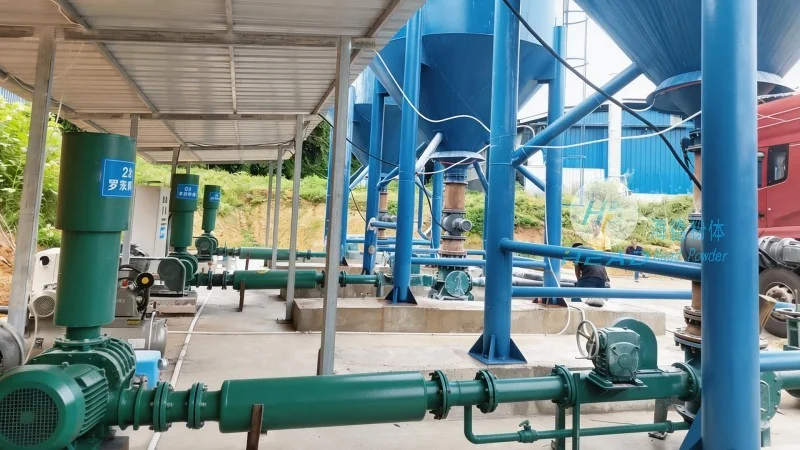
When selecting a pneumatic conveying mode for sodium nitrate, several factors must be considered, including the distance of material transport, the nature of the material (e.g., particle size, moisture content), and the operational environment. Positive pressure systems are generally preferred for long-distance and high-capacity applications due to their superior conveying efficiency and ability to handle abrasive materials. Negative pressure systems, on the other hand, are more suitable for short-distance, low-volume, or fine powder applications where dust control and material integrity are paramount. The choice between the two modes also depends on the available space and the need for dust collection infrastructure. In many cases, a hybrid system combining both positive and negative pressure elements may be employed to optimize performance and address specific operational challenges.
The pneumatic conveying systems designed by Shandong HeadPowder Engineering Co., Ltd. for sodium nitrate applications incorporate several key features that enhance performance and safety. These include advanced material handling components such as rotary valves, airlocks, and cyclone separators, which ensure smooth material flow and prevent blockages. The systems are equipped with high-efficiency filtration and dust collection units to comply with environmental regulations and maintain a clean working environment. Additionally, the use of corrosion-resistant materials in the construction of pipelines and components ensures long-term durability, even when handling sodium nitrate, which can be corrosive under certain conditions.
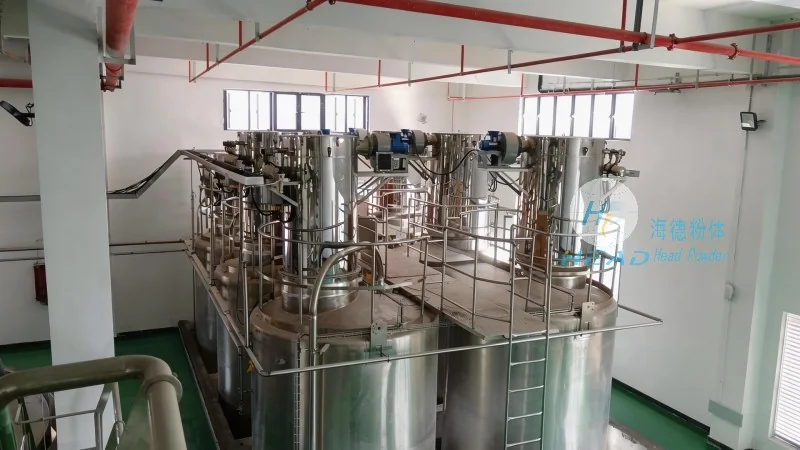
Applications of these systems span various industries. In the agricultural sector, sodium nitrate is used as a fertilizer, and the conveying systems facilitate its transport from storage facilities to application sites. In the food industry, sodium nitrate is used as a preservative, and the systems ensure safe handling during processing and packaging. The chemical manufacturing industry also relies on these systems for the transport of sodium nitrate in production lines, where precise material control is essential. Overall, the systems provide a reliable and efficient solution for handling sodium nitrate, contributing to improved operational productivity and safety in industrial settings.
In conclusion, the technical analysis of sodium nitrate pneumatic conveying systems highlights the importance of selecting the appropriate conveying mode based on specific operational requirements. Positive pressure and negative pressure systems each offer unique advantages and are suited to different applications. Shandong HeadPowder Engineering Co., Ltd. leverages its expertise to design and implement customized pneumatic conveying solutions that address the challenges of sodium nitrate handling. By focusing on efficiency, safety, and durability, the company ensures that its clients can operate their material handling processes effectively, meeting both industry standards and environmental regulations. For industries dealing with sodium nitrate, investing in a well-designed pneumatic conveying system is a critical step toward optimizing material flow and enhancing overall operational performance.

 Shandong Headpowder Engineering Co., Ltd.
 156-6277-7102(Manager Zhang)
  0531-83386006
  Zhangqiu District, Jinan City, Shandong Province, China
telephone
WeChatconsult
top